Algeria
 Egypt
 Libya
 Morocco
 Sudan
 Tunisia
 Benin
 Burkina Faso
 Cabo Verde
 Côte d'Ivoire
 Ghana
 Guinea
 Guinea-Bissau
 Liberia
 Mali
 Mauritania
 Niger
 Nigeria
 Senegal
 Sierra Leone
 The Gambia
 Togo
 Cameroon
 Central African Republic
 Chad
 DR Congo
 Equatorial Guinea
 Gabon
 Republic of the Congo
 São Tomé and Príncipe
 Burundi
 Comoros
 Djibouti
 Eritrea
 Ethiopia
 Kenya
 Madagascar
 Malawi
 Mauritius
 Mozambique
 Rwanda
 Seychelles
 Somalia
 Tanzania
 Uganda
 Angola
 Botswana
 Eswatini
 Lesotho
 Namibia
 South Africa
 Zambia
 Zimbabwe
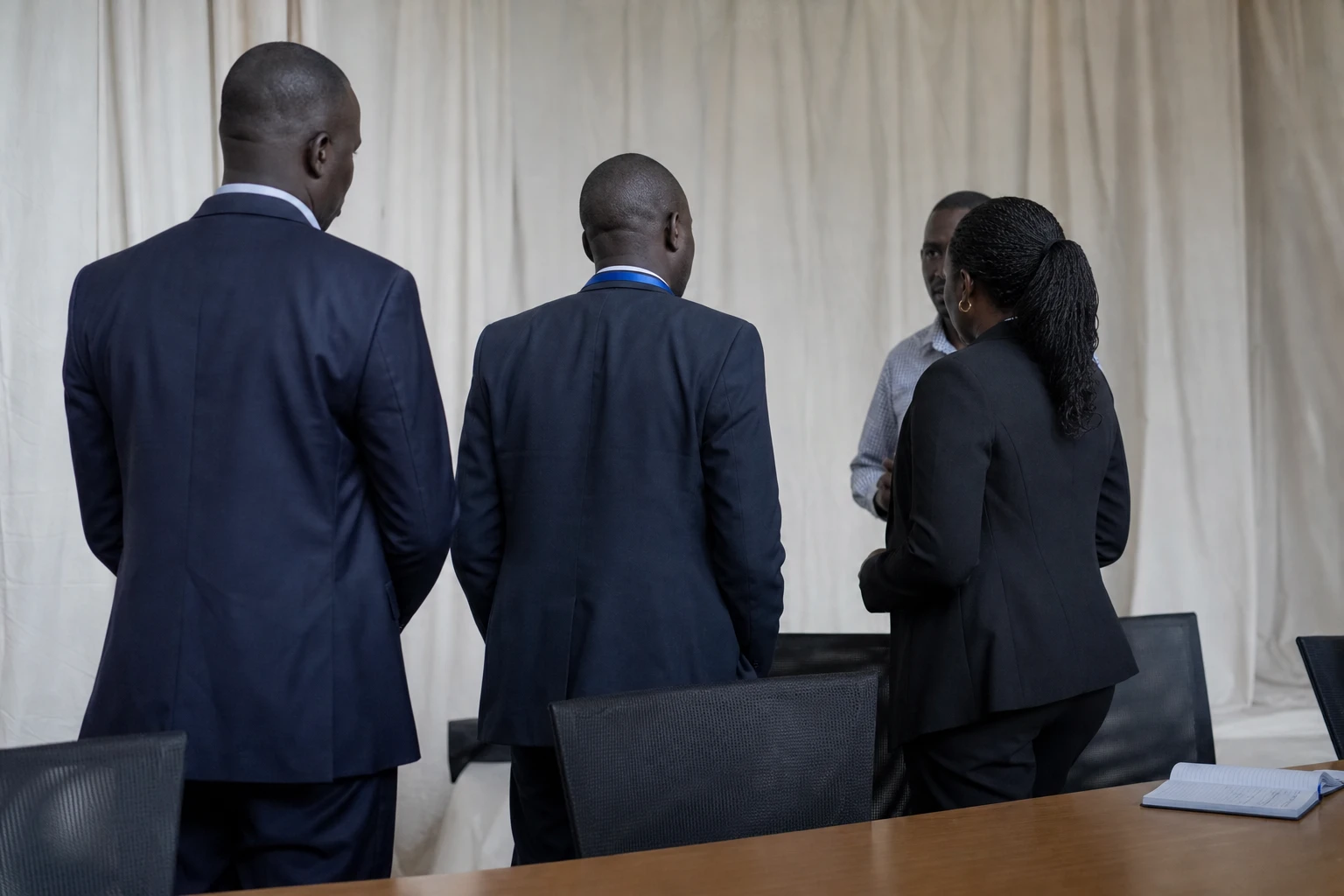
In Abiemnhom, staying put can sometimes mean more than a promise
In north-western South Sudan, a peacekeeping base can make the difference between yet another warning and widespread panic. In Abiemnhom, in Unity State, the continued presence of UNMISS, the United Nations Mission in South Sudan, sent a clear signal: civilian protection comes before budgetary constraints. After the 1 March 2026 attack, the mission abandoned plans to close its local base and maintained an enhanced security presence around the population.
The message matters in a country where local insecurity, repeated displacement and climate shocks often converge. In Unity, intercommunal conflicts, armed tensions and floods have displaced hundreds of thousands of people over the years. Humanitarian agencies such as UNICEF and analysts at FEWS NET still describe, in 2026, an environment where hunger, overflowing rivers and violence reinforce one another.
What happened in Unity State
On 1 March 2026, Abiemnhom was targeted in an attack by unidentified armed men, according to UNMISS. The same statement said that about 1,000 civilians sought refuge around the UN base in the early hours, while peacekeepers opened their gates and provided emergency care to the wounded. In a second post, the mission also reported that tensions had begun on 27 and 28 February and that its protection presence on the ground had been reinforced.
A few days later, the local situation remained tense. UNMISS said families remained vulnerable, homes and crops had been burned or looted, and more than 2,300 civilians had, at another point in the crisis, found refuge under UN protection in Abiemnhom. These figures appear in separate communications from the mission and show the scale of the shock for a locality far from centres of power.
Mission chief Anita Kiki Gbeho said the planned closure of the base had been postponed to avoid exposing the community to further risk. She also recalled that UNMISS’s mandate remains the protection of civilians and support for local peace mechanisms. In UN terms, this means patrols, dialogue with community leaders and support for reconciliation, not just a symbolic presence.
Unity, between local violence and climate threats
Unity State is not an isolated crisis hotspot. It is part of the wider Greater Upper Nile region, alongside Jonglei and Upper Nile, where local conflicts, population movements and climate hazards overlap. Humanitarian assessments published in 2025 and 2026 describe a country where more than seven in ten South Sudanese people need assistance, with needs heavily concentrated in Unity, Jonglei, Upper Nile, Warrap and Northern Bahr el Ghazal.
The weather adds to the pressure. UN agencies and food security analysts reported highly erratic rainfall in 2026, a risk of flooding in several areas and signs of a strengthening El Niño, the ocean phenomenon that disrupts seasons in East Africa. FEWS NET even warns of possible worsening floods and displacement in parts of Unity, while UNICEF lists South Sudan among the priority countries for early action in response to El Niño.
The problem is tangible. In and around Bentiu, the capital of Unity State, recurrent floods have already submerged land, cut off neighbourhoods and weakened dykes. A UNICEF report notes that prolonged flooding affected more than 1.35 million people across several states in 2025, with a heavy concentration in Unity and Jonglei. In other words, security is not the only issue; access to water, roads, fields and schools is also at stake.
What the continued presence means for South Sudanese people
Keeping the UNMISS base in Abiemnhom does not resolve the violence. It does, however, reduce the risk that residents will feel abandoned at a moment of great vulnerability. For civilians, the presence of peacekeepers can provide immediate shelter, faster access to medical care and a channel for dialogue with local authorities. For armed groups or armed youth, it is also a reminder that escalation does not happen without anyone watching.
For Juba, this episode is a test of the state’s credibility. South Sudan continues to grapple with a difficult equation: a fragile central government, local authorities with limited resources and rural areas where the administration is often absent or contested. In this context, UNMISS does not replace South Sudanese institutions. It temporarily fills a protection vacuum. That is precisely why a simple postponement of the base’s closure carries political weight.
The human cost nevertheless remains high. Humanitarian reports published in early 2026 describe a displacement, malnutrition and basic services crisis that continues to worsen. FEWS NET estimates that severe food insecurity will persist in several parts of the country, including Unity, if local conflicts and floods continue. This means that emergency armed protection and food aid must advance together; either one without the other leaves entire areas exposed.
A local issue, but a regional test
Abiemnhom’s significance extends beyond a single town in Unity State. The crisis raises questions about the international community’s ability to protect civilians in a member state of the Intergovernmental Authority on Development (IGAD), the regional organisation that closely follows peace issues in the Horn of Africa and East Africa. It also highlights how crises in South Sudan often have knock-on effects on displacement, local markets and relations between communities across administrative boundaries.
The continental implications are clear. South Sudan remains one of the places where the ability of the UN and African actors to combine security, mediation and humanitarian action before an area collapses completely is being tested. In the weeks ahead, the real test will be simple: will patrols be enough to prevent another wave of violence, and can local authorities regain control before the rains worsen the crisis further? The answer will be decided in Abiemnhom, but also across Unity, along humanitarian routes to Bentiu and in national discussions on civilian protection.