
 Algeria
 Egypt
 Libya
 Morocco
 Sudan
 Tunisia
 Benin
 Burkina Faso
 Cabo Verde
 Ghana
 Guinea
 Guinea-Bissau
 Liberia
 Mali
 Mauritania
 Niger
 Nigeria
 Senegal
 Sierra Leone
 The Gambia
 Togo
 Cameroon
 Central African Republic
 Chad
 DR Congo
 Equatorial Guinea
 Gabon
 Republic of the Congo
 São Tomé and Príncipe
 Burundi
 Comoros
 Djibouti
 Eritrea
 Ethiopia
 Kenya
 Madagascar
 Malawi
 Mauritius
 Mozambique
 Rwanda
 Seychelles
 Somalia
 South Sudan
 Tanzania
 Uganda
 Angola
 Botswana
 Eswatini
 Lesotho
 Namibia
 South Africa
 Zambia
 Zimbabwe
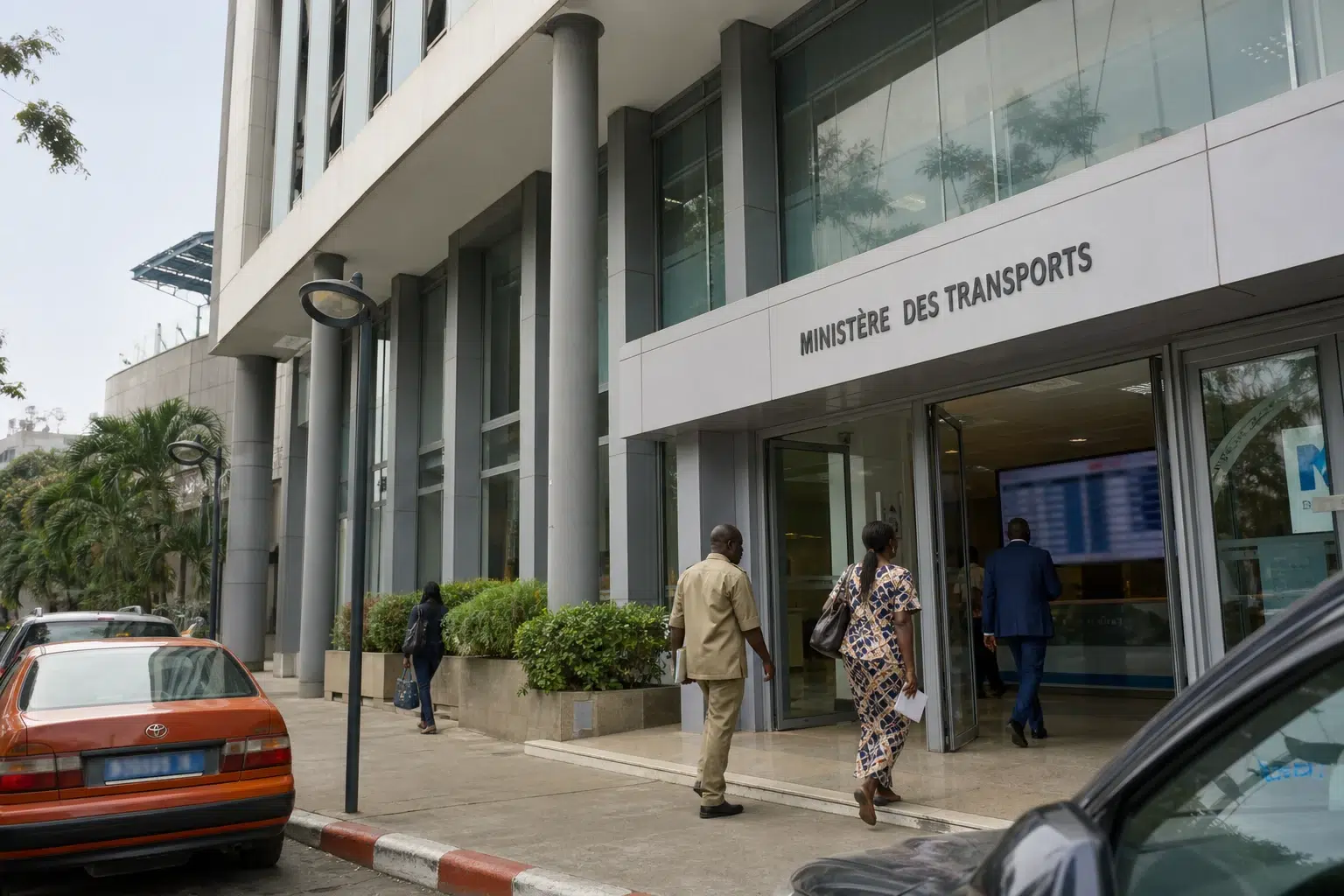
Abidjan wants to sell more than its beaches
For Ivorian tourism, the real issue is no longer simply attracting visitors, but broadening the origins of those visitors. Côte d’Ivoire wants to reduce its dependence on traditional European markets and attract more customers from the Middle East, Latin America and, eventually, North America. This shift makes sense for a country seeking to make Abidjan a regional gateway, not just a place to stay.
In this effort, air transport is becoming a key lever. Since 2025, Ivorian authorities have been considering the competitiveness of Abidjan’s hub and ways to improve connectivity. In July 2026, the transport ministry even described a working visit to Dubai to meet Emirates as a learning exercise to inform the sector’s strategic plan. The message is clear: without more air routes, the “Sublime Côte d’Ivoire” tourism brand will remain difficult to export.
Air agreements to expand the sector
On 14 September 2026, Côte d’Ivoire signed a memorandum of understanding with Emirates to support joint promotion, data exchange, familiarisation trips and tailored offers for tour operators. The Emirati airline serves Abidjan via Accra, with daily flights between Abidjan and the Ghanaian capital under its current schedule. The agreement is part of a broader strategy: turning air connectivity into actual tourist traffic.
The same logic applies to Latin America. In April 2026, TAAG launched a São Paulo–Abidjan route via Luanda, creating a new link between Brazil and West Africa. A few months later, from 4 to 11 September, a familiarisation trip brought together Brazilian journalists, influencers, tour operators and institutional representatives to discover Côte d’Ivoire’s tourism offer. The aim is not symbolic. It is to get into catalogues, and then into commercial itineraries.
This opening also has a legal dimension. In November 2025, the Ivorian government presented air services agreements with Brazil, Angola and the Sultanate of Oman. These texts provide traffic rights for passengers, freight and mail. In April 2026, the National Assembly authorised their ratification. In other words, Abidjan is not just looking for commercial partners; it is building a framework to secure lasting routes.
Air Côte d’Ivoire is also pursuing expansion. The national airline launched its first route outside Africa, to Paris, on 1 October 2025, after receiving two Airbus A330-900neos. It said at the time that it intended to expand next into the Middle East and North America. This ambition gives Ivorian air transport a new profile: less reliant on foreign carriers and better able to directly support tourism, business and the diaspora.
What this means for Côte d’Ivoire’s economy and the region
Diversifying markets is not a luxury. It is insurance against the fragility of a sector overly exposed to shocks in a handful of source markets. The National Tourism Council said in June 2026 that Côte d’Ivoire had welcomed more than 6.7 million visitors in 2025, generating CFA1,100bn in tourism revenue and about 675,000 jobs. These figures, from an official statement, confirm the sector’s growing importance to the national economy.
But the stakes go beyond statistics. New markets have different travel habits and expectations when it comes to accommodation, connectivity, perceived safety and cultural services. Brazil, for example, opens the door to customers drawn to heritage, festivals, urban experiences and itineraries combining culture and nature. The Gulf, meanwhile, often demands high standards of comfort, connections and clarity in the tourism offer. Côte d’Ivoire therefore needs to adapt its tourism product, not just make more announcements.
The wager is also regional. ECOWAS, which governs the West African space, remains a natural framework for the movement of goods, people and services. If Abidjan gains long-haul connectivity, it will also strengthen its position as a hub for travellers from West and Central Africa. This is especially true for business, conferences and urban leisure, areas in which Côte d’Ivoire’s economic capital wants to stand out. The government has in fact been talking about a subregional hub for several years, as part of a drive to move upmarket and improve competitiveness.
The constraint, however, is physical. Félix Houphouët-Boigny Airport still handles most international traffic. It welcomed 2,551,915 passengers in 2025, according to the transport ministry. To sustain growth, costs will need to be managed, ground services improved and operational constraints prevented from holding back the expansion of air routes. Routes to Dubai, São Paulo or Beirut will only make sense if the infrastructure can keep pace.
Ultimately, Côte d’Ivoire’s strategy tells a wider story about the continent. Several African economies no longer want to depend on a single north–south axis to connect with the world. They are seeking cross-cutting links that are more profitable and more autonomous. Côte d’Ivoire, with Abidjan, is testing this new approach. The next indicator to watch is simple: will these agreements generate regular traffic, or just diplomatic visibility?



