Algeria
 Egypt
 Libya
 Morocco
 Sudan
 Tunisia
 Benin
 Burkina Faso
 Cabo Verde
 Côte d'Ivoire
 Ghana
 Guinea
 Guinea-Bissau
 Liberia
 Mali
 Mauritania
 Niger
 Nigeria
 Senegal
 Sierra Leone
 The Gambia
 Togo
 Cameroon
 Central African Republic
 Chad
 DR Congo
 Equatorial Guinea
 Gabon
 Republic of the Congo
 São Tomé and Príncipe
 Burundi
 Djibouti
 Eritrea
 Ethiopia
 Kenya
 Madagascar
 Malawi
 Mauritius
 Mozambique
 Rwanda
 Seychelles
 Somalia
 South Sudan
 Tanzania
 Uganda
 Angola
 Botswana
 Eswatini
 Lesotho
 Namibia
 South Africa
 Zambia
 Zimbabwe
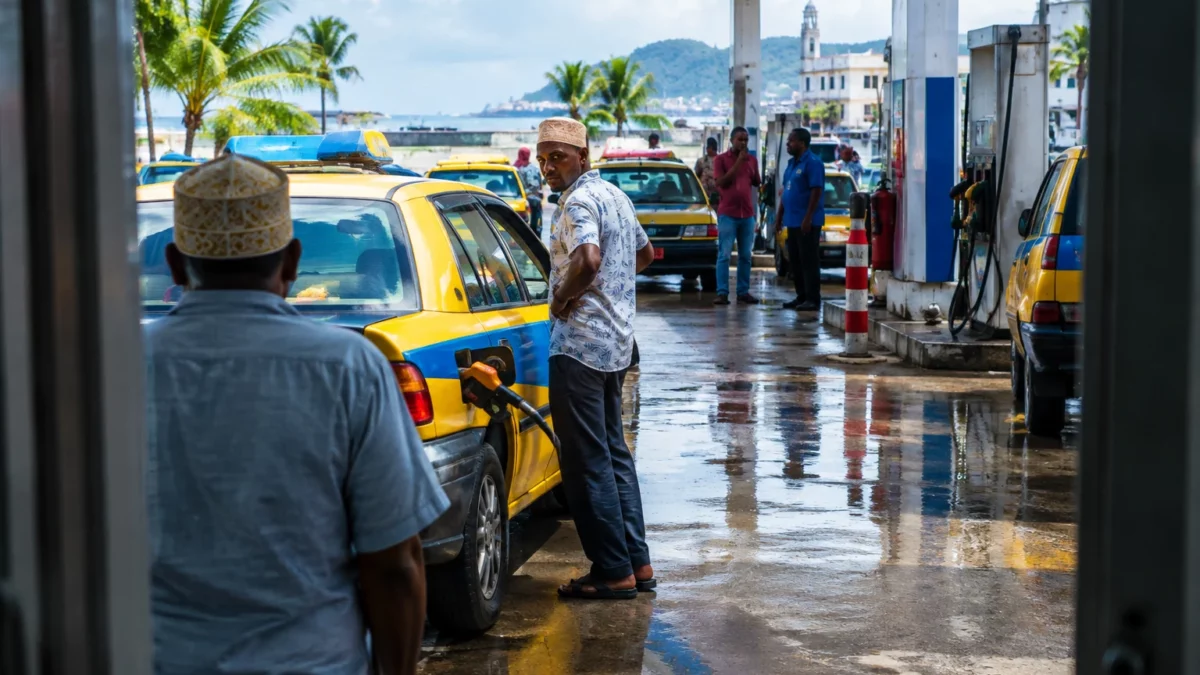
In Comoros, the price of fuel is not just a matter of what motorists pay at the pump. It affects daily journeys, deliveries between the islands and the cost of goods sold in markets. After the social crisis in May, the authorities are now trying to avoid another breakdown in relations with transport operators. But the agreement reached does not have unanimous support.
A compromise shaped by memories of May
In May 2026, an earlier price rise triggered six days of strikes and disruption across several sectors. The protests particularly affected Anjouan and Mohéli. Two deaths were reported during the unrest, according to information published by the Comorian press at the time. On 16 May, the executive suspended the increase. Memories of those events weigh on the current negotiations.
The Comorian Hydrocarbons Company (SCH), the state-owned firm that imports and distributes petroleum products, remains at the heart of the issue. In Comoros, retail prices are regulated by the state. The SCH is accumulating losses, while the government is seeking to maintain supplies without allowing the full cost of imports to weigh on its accounts. The IMF report on the Union of the Comoros describes this public monopoly and the role of administered prices in the petroleum sector.
Finance Minister Moussa Abderemane said the adjustment had become necessary in view of the company’s losses. He also cited four billion Comorian francs mobilised since May and a further five billion planned in the supplementary budget. These figures, put forward by the government, illustrate the budgetary effort under way, but also the difficulty of extending public support indefinitely.
Prices to take effect when shipment arrives
Following discussions with national representatives of Usukani wa Masiwa, the government settled on an increase of 75 Comorian francs per litre for petrol, diesel and kerosene. The agreement was announced on Wednesday 18 November. According to reports in the Comorian press, the new rates are due to take effect when the shipment expected on Monday 23 November arrives, after they have been formalised by decree.
The compromise also provides for higher transport fares: 50 francs for urban taxis and up to 100 francs on some routes to the regions. In Moroni, the fare for an urban journey would therefore rise from 300 to 350 francs, according to an account of the negotiations published by La Gazette des Comores. The final amounts remain subject to confirmation in official texts.
Reports published by Comores Infos and La Gazette des Comores concur on the existence of the 18 November agreement and the 75-franc compromise. However, earlier announcements differ over the proposed prices and increases for each product. The details of the rates should therefore be checked when the decree is published, rather than treated as settled on the basis of announcements alone.
National agreement challenged on the ground
The union’s national leadership is defending the compromise and welcoming the creation of a monitoring commission. The commission would bring together transport operators, the authorities and civil society. It would be tasked with monitoring price movements and discussing a possible reduction if international conditions change. Union representatives have described the arrangement as unprecedented.
But the agreement does not necessarily represent all drivers. Taxi drivers in Hamahamet, in the north of Ngazidja, have challenged the position taken by their representatives and said they were not consulted. They reject the claim that the compromise has secured the backing of all transport operators. This opposition, reported by Comores Infos, highlights a familiar difficulty in national negotiations: a signature at the top does not guarantee acceptance in every region.
The government says it intends to monitor excessive fare rises. It remains to be seen how this oversight will be carried out, and whether transport operators will genuinely be involved. For residents, the impact is first felt in their daily budgets. Urban taxi users would pay more for each journey. On intercity routes, the announced increase could make travel and freight transport more expensive. Households reliant on public transport and small traders are particularly exposed to these effects.
Price stability also depends on supplies
The increase comes in an archipelago where fuel supply is as much a logistical issue as a financial one. A delayed shipment or reduced availability can disrupt travel and economic activity. Concerns over fuel supplies in Anjouan had already been reported in November by Comoresnews. This precedent is a reminder that prices and availability are linked, even though a local shortage does not automatically mean a crisis across the archipelago.
The situation in Comoros is also shaped by trade across the Indian Ocean and East Africa. The country is a member of the Southern African Development Community (SADC), a regional co-operation organisation, but its hydrocarbons policy is determined primarily by domestic choices and supply routes. The regional stakes are tangible: dependence on imports leaves island economies exposed to market fluctuations and the cost of maritime transport.
For the authorities, the test will be twofold: ensuring regular fuel deliveries and limiting the effect of the increase on the cost of living. For transport operators, the monitoring commission will have to show that it can influence decisions beyond the initial agreement. And for Comorians, the central question remains how the new rates will affect journeys and essential goods. Implementation of the decree and the participation of regional branches in the committee will be the next indicators to watch.