Algeria
 Libya
 Morocco
 Sudan
 Tunisia
 Benin
 Burkina Faso
 Cabo Verde
 Côte d'Ivoire
 Ghana
 Guinea
 Guinea-Bissau
 Liberia
 Mali
 Mauritania
 Niger
 Nigeria
 Senegal
 Sierra Leone
 The Gambia
 Togo
 Cameroon
 Central African Republic
 Chad
 DR Congo
 Equatorial Guinea
 Gabon
 Republic of the Congo
 São Tomé and Príncipe
 Burundi
 Comoros
 Djibouti
 Eritrea
 Ethiopia
 Kenya
 Madagascar
 Malawi
 Mauritius
 Mozambique
 Rwanda
 Seychelles
 Somalia
 South Sudan
 Tanzania
 Uganda
 Angola
 Botswana
 Eswatini
 Lesotho
 Namibia
 South Africa
 Zambia
 Zimbabwe
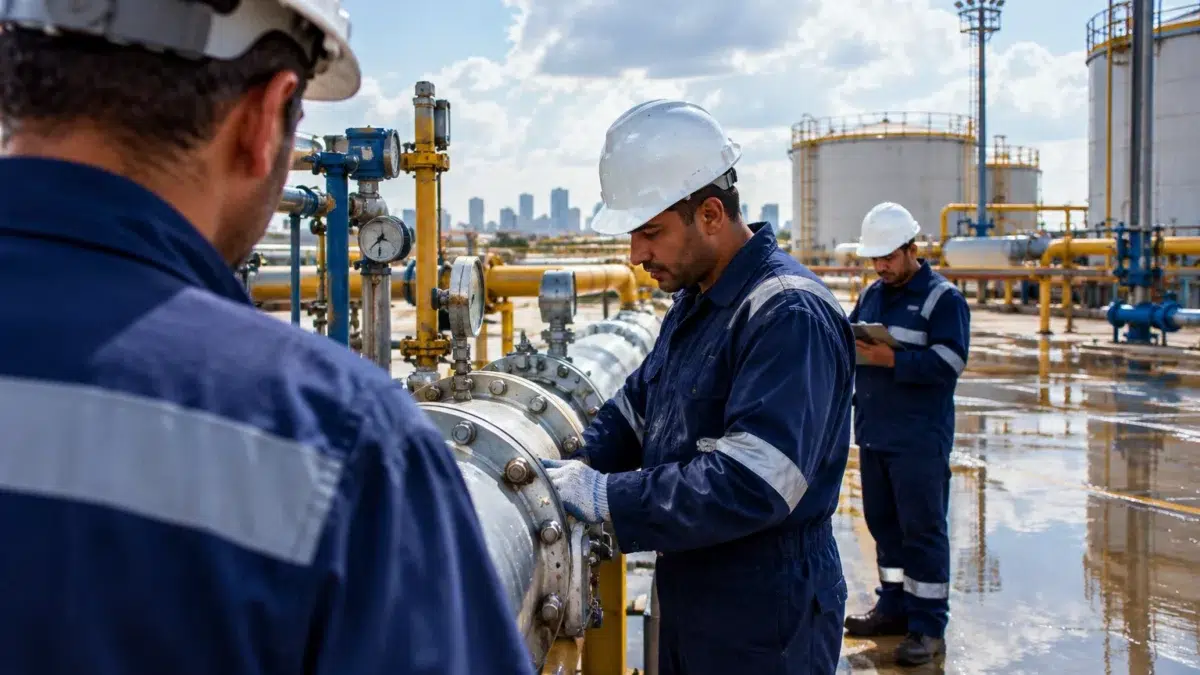
From gas fields and trade routes to residency matters, closer ties between Cairo and Tripoli touch on both strategic interests and everyday concerns. The 19 November meeting also brings a central question for Libya into focus: how do its regional partners engage with a country whose institutions remain divided?
Bilateral ties in a fragmented Libyan landscape
Libya shares a land border with Egypt and has common interests in security, energy and trade. But since the fall of Muammar Gaddafi in 2011, the country has remained divided between rival authorities. Abdelhamid Dbeibah’s Government of National Unity is based in Tripoli, while a rival administration relies on institutions in the east and the forces of Khalifa Haftar.
This division complicates agreements reached with foreign partners: their political scope and implementation may depend on the authorities and territories involved. It also leaves neighbouring countries facing a delicate balancing act. Egypt, which has long maintained close ties with the eastern camp, has stepped up contacts with Tripoli without severing those relations.
The rapprochement took concrete form on 7 November 2026 with the reopening of the Egyptian embassy in Tripoli, closed for 12 years, according to several accounts of the visit. This resumption of diplomatic relations came a few days before the leaders’ meeting. It comes as tensions over maritime borders in the eastern Mediterranean revive rivalries among Libyan actors and neighbouring countries.
Energy, training and consular issues
Egyptian President Abdel Fattah al-Sisi received Abdelhamid Dbeibah in Cairo on Thursday 19 November. The Egyptian presidency confirmed the meeting and the presence of officials from both governments. It said discussions covered bilateral relations, stability in Libya and several regional issues.
The two leaders witnessed the signing of several agreements and memorandums. The areas cited include gas infrastructure, oil refining and cooperation on natural resources. The texts also cover fisheries, scientific research, labour, vocational training, small and medium-sized enterprises, and institutional communications. Egyptian daily Ahram Online reported nine agreements and memorandums, while the presidency listed nine areas of cooperation.
The consular element directly concerns Libyans who live, study or travel in Egypt. Talks covered visas, residence permits, the situation of students and border crossings. According to the Egyptian statement, al-Sisi called for a positive approach, and the two countries agreed to coordinate through their interior ministries. The statement did not, however, specify a detailed timetable or measures already implemented.
For businesses, energy agreements and reconstruction projects could create opportunities for cooperation. But signing agreements alone guarantees neither investment nor local benefits. The announcements will need to translate into contracts, financing and construction projects. Their implementation will also depend on the stability of Libyan institutions and the partners’ ability to operate beyond the areas they control.
The Mediterranean, a point of friction between Cairo and Tripoli
The timing gives this economic revival a diplomatic dimension. In October 2026, the House of Representatives based in eastern Libya approved a 2019 maritime agreement between Turkey and the Libyan government of the time, based in Tripoli. The decision reignited the dispute with Egypt, which contests the proposed delimitation and has set out its objections to the United Nations. Greece and Cyprus also oppose the agreement.
The issue illustrates the sometimes divergent interests of Libya’s partners. Ankara has ties with the Tripoli government, while Cairo retains important relations in the east. The eastern parliament’s decision therefore puts Egypt at odds with actors it has long supported, even as it strengthens exchanges with Dbeibah. This sequence does not point to a diplomatic realignment; rather, it shows a strategy of simultaneous dialogue with several Libyan centres of power.
The 19 November meeting also has tangible economic significance for both capitals. Cairo is seeking to expand trade, investment and activity in energy and reconstruction. For Tripoli, diversifying its partners could support trade and training, but the agreements do not resolve internal rivalries or disagreements over maritime borders.
From announcements to implementation: the next test
Across North Africa, stability in Libya matters to its immediate neighbours and regional institutions, notably the Arab Maghreb Union, whose five members are Algeria, Libya, Morocco, Mauritania and Tunisia. Political divisions nevertheless limit the region’s ability to speak with one voice. For the African Union, the issue is part of broader efforts to mediate and reunify institutions across the continent.
Progress will be measured less by statements than by action: advances in energy projects, resolution of consular difficulties, continued contacts between Egypt and Libya’s different authorities, and developments in the maritime dispute. These issues will weigh on relations between Tripoli, Cairo and Ankara, as well as on Libya’s room for manoeuvre in its Mediterranean neighbourhood.