Algeria
 Egypt
 Libya
 Morocco
 Sudan
 Tunisia
 Benin
 Burkina Faso
 Cabo Verde
 Côte d'Ivoire
 Ghana
 Guinea
 Guinea-Bissau
 Liberia
 Mali
 Mauritania
 Nigeria
 Senegal
 Sierra Leone
 The Gambia
 Togo
 Cameroon
 Central African Republic
 Chad
 DR Congo
 Equatorial Guinea
 Gabon
 Republic of the Congo
 São Tomé and Príncipe
 Burundi
 Comoros
 Djibouti
 Eritrea
 Ethiopia
 Kenya
 Madagascar
 Malawi
 Mauritius
 Mozambique
 Rwanda
 Seychelles
 Somalia
 South Sudan
 Tanzania
 Uganda
 Angola
 Botswana
 Eswatini
 Lesotho
 Namibia
 South Africa
 Zambia
 Zimbabwe
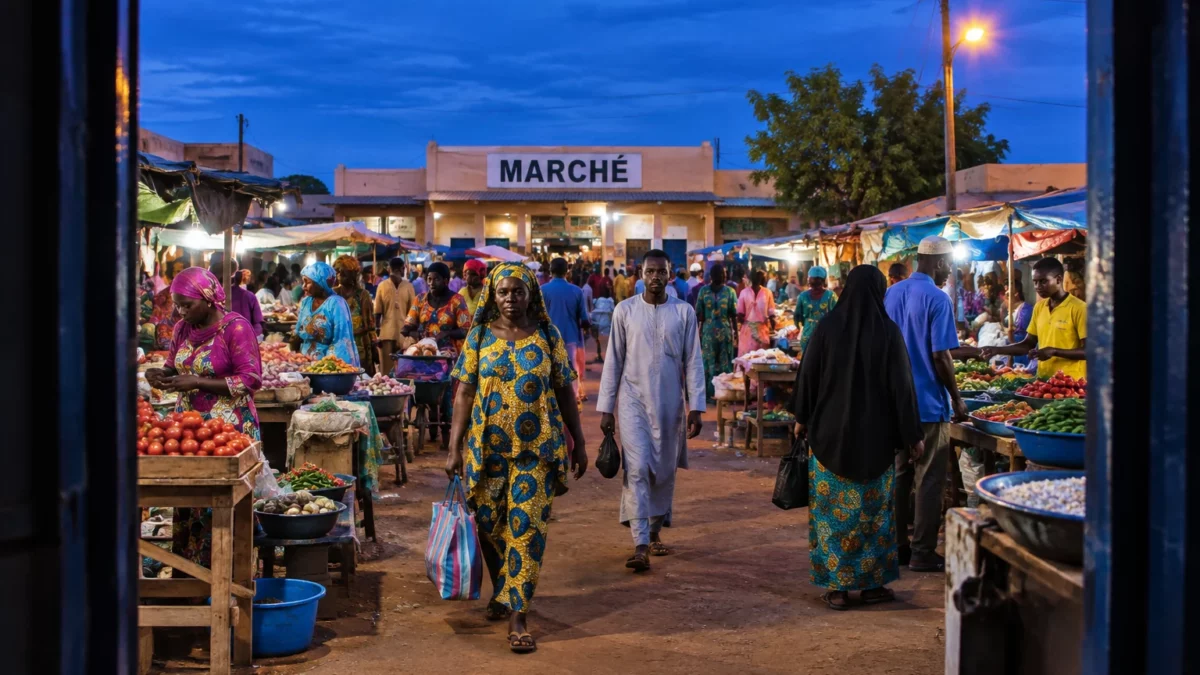
In south-western Niger, travelling to markets and neighbouring villages is part of daily life. But when roads become dangerous, families lose far more than a route: they lose access to trade, healthcare and sometimes their homes.
Dosso and Tillabéri under pressure
Recent violence has affected two regions in western Niger. Dosso borders Nigeria, while Tillabéri lies near Burkina Faso and Mali. These borders connect communities and local economies, but they also offer routes for different armed groups.
The situation is unfolding amid regional tensions. Niger, Mali and Burkina Faso have left the Economic Community of West African States (ECOWAS), the regional organisation for cooperation and economic integration, and drawn closer together within the Alliance of Sahel States (AES). This political realignment does not erase the shared security challenges on either side of the borders.
Attacks in Dosso are not unprecedented. In September, regional authorities had already discussed restructuring local self-defence committees to strengthen security arrangements. In this context, protecting civilians and coordinating public forces with communities remain major challenges.
Villages attacked in Dioundiou department
On 14 November, Dosso governor Colonel-Major Bana Alhassane visited bereaved families in Dioundiou department. The Nigerien Press Agency reported that several villages in the rural municipality had been targeted. It did not publish an official death toll or detail the circumstances of the attacks.
Local sources cited by Nigerien media outlet MDMG Sahel later reported that 68 bodies had been buried on 13 November, the day after attacks in several localities. This figure has not been confirmed by an accessible official tally. It must therefore remain attributed to these accounts and not be presented as an established count by the authorities.
The outlet also reported population displacement and security measures intended to enable residents to return to their villages. The governor reportedly called on the attackers, whom he described as “children of the soil”, to lay down their arms. This phrase alone does not establish the identity of those responsible.
Messages of condolence posted on social media attribute the violence to the Lakurawa armed group. This attribution has not been independently confirmed in the available information. It is therefore important to distinguish accounts of the attacks from the still-uncertain identification of their perpetrators.
In Tillabéri, a journey to market targeted
On 12 November, residents of Tillim were travelling to the weekly market in Téra, in the Tillabéri region, when they were reportedly caught in an ambush. The armed men have not been publicly identified, and no claim of responsibility was reported in the initial accounts.
The death toll varies by source and remains attributed. MDMG Sahel reported at least 37 deaths, citing local sources. The Committee for Justice, a human rights organisation, also reported at least 37 victims, followed by one more person who died of their injuries, bringing the reported toll to 38. In the absence of official confirmation, these figures do not constitute a definitive toll.
Travelling to a market is essential for rural households: people sell and buy goods and maintain ties between localities. An attack on such a route can constrain economic activity well beyond the direct victims. Residents may forgo markets, healthcare or trips to their fields, while traders and transport operators see their incomes threatened.
Displacement, security and local trust
In Dioundiou, the displacement mentioned by the authorities raises a practical question: what conditions will allow families to return without being exposed to further violence? Return requires security guarantees, as well as access to homes, fields and basic services. The available information does not specify how many people have been displaced or when their return is envisaged.
For the authorities, the response is not limited to increasing checks. It also involves maintaining residents’ trust, verifying alerts and protecting routes. Self-defence groups can contribute to local monitoring, but their role requires coordination and clear rules to prevent further tensions or risks to civilians.
Co-operation with neighbouring countries also matters in a border region. Armed dynamics do not stop at administrative boundaries. However, published information on these attacks does not establish a specific operational link between the events in Dosso and those in Tillabéri. Drawing comparisons highlights pressure on the west of the country, not proven co-ordination.
Death tolls need clarification amid regional realignment
For Nigeriens, the immediate concern is people’s safety and the ability to resume daily life without giving up markets, villages and land. For the authorities, the priority is to protect the population while establishing the facts: exact locations, victims, displacement and responsibility. The publication of verifiable data will be crucial to guiding aid and assessing how the situation develops.
At regional level, these events are a reminder that national responses are unfolding in a space where political relations are changing rapidly, while border communities remain connected through trade. The next developments to watch are confirmation of the death tolls in Dioundiou and Tillim, the return of displaced residents and concrete measures announced to secure rural routes.
Sources consulted: Nigerien Press Agency, Dosso region archives ; MDMG Sahel, local accounts from Dioundiou ; Committee for Justice, information on the ambush near Téra ; Nigerien Press Agency, meeting on self-defence committees in Dosso.