Algeria
 Egypt
 Libya
 Morocco
 Sudan
 Benin
 Burkina Faso
 Cabo Verde
 Côte d'Ivoire
 Ghana
 Guinea
 Guinea-Bissau
 Liberia
 Mali
 Mauritania
 Niger
 Nigeria
 Senegal
 Sierra Leone
 The Gambia
 Togo
 Cameroon
 Central African Republic
 Chad
 DR Congo
 Equatorial Guinea
 Gabon
 Republic of the Congo
 São Tomé and Príncipe
 Burundi
 Comoros
 Djibouti
 Eritrea
 Ethiopia
 Kenya
 Madagascar
 Malawi
 Mauritius
 Mozambique
 Rwanda
 Seychelles
 Somalia
 South Sudan
 Tanzania
 Uganda
 Angola
 Botswana
 Eswatini
 Lesotho
 Namibia
 South Africa
 Zambia
 Zimbabwe
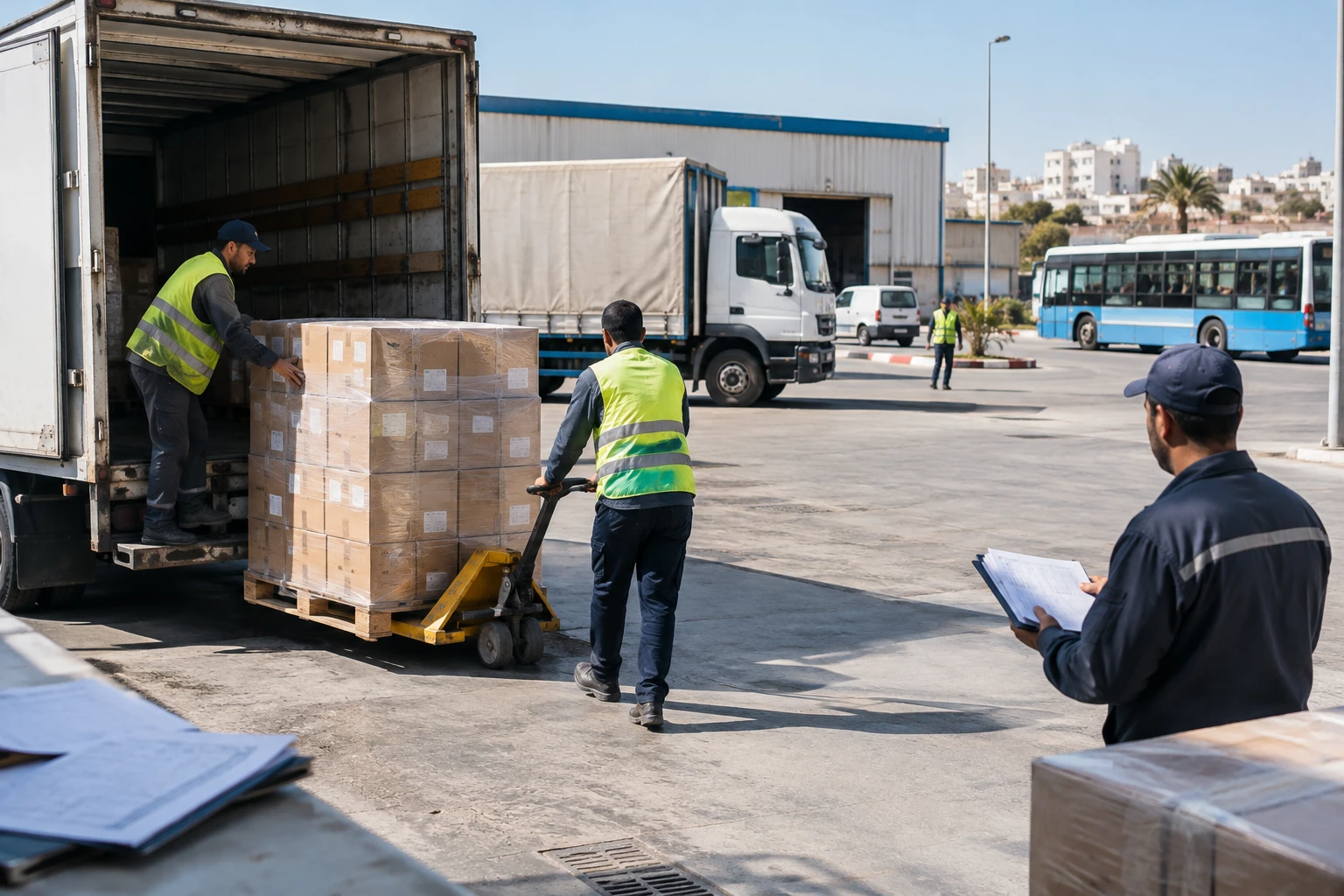
For a telecoms operator, the time it takes for equipment to arrive is not measured only at the border. It can also affect project planning, network upgrades and, ultimately, the quality of services offered to subscribers. In Tunisia, a new customs authorisation could give Orange greater flexibility in managing its imports.
An established customs scheme in Tunisia
The status of Authorised Economic Operator (AEO) forms part of Tunisia’s customs framework. It is open to companies established in the country and active in foreign trade or logistics, subject to meeting the conditions set by the authorities. It is therefore not a scheme created specifically for telecommunications.
The General Directorate of Customs provides for several certification categories: simplification of procedures, security and safety, or full status. The benefits depend on the category awarded. For the first category, customs lists simplified formalities and, subject to the conditions set out, the possibility of immediately releasing certain goods. Full status includes additional facilities, including customs clearance before the goods arrive.
Tunisia formalised the conditions for granting, suspending and withdrawing this status in a 2018 government decree. The scheme is one of the tools for facilitating trade: it aims to distinguish companies whose procedures and compliance are considered sufficiently reliable to qualify for tailored formalities. The Tunisian Customs’ official overview of AEO status details these categories and their facilities.
Orange announces authorisation but does not specify the category
Orange Tunisia announced on 12 November 2026 that it had obtained the status from the General Directorate of Customs. The company says the recognition reflects its customs compliance, reliability and control of its operations. However, its announcement does not publicly specify which AEO category it has been awarded.
This detail matters. The facilities vary according to the level of certification. It would therefore be premature to conclude that the operator benefits from all the advantages available under full status. Customs says approved companies may obtain simplified formalities and, depending on their category, faster release of goods. The official list of companies holding the status is the public register of reference; the company’s announcement alone does not make it possible to verify the detailed terms of its authorisation.
Stéphane Varret, chief executive of Orange Tunisia, presents the authorisation as a way to anticipate the company’s needs better and gain flexibility in its supplies. This is the rationale given by the operator. The announcement provided no figures for savings, average time gained or an implementation timetable.
A practical issue for equipment and services
Mobile and fixed networks rely on imported equipment, spare parts and components for infrastructure maintenance or expansion. More predictable customs formalities can help an operator organise its stocks and field work. They do not, however, guarantee lower costs for subscribers or an automatic improvement in coverage or speeds.
The immediate benefit is primarily for the company: equipment availability, logistics organisation and costs associated with procedures. Any effects for customers will depend on investment decisions and how Orange applies these gains in its operations. Small businesses, public administrations and individuals do not receive this authorisation directly; they could feel its effects only if supply management effectively supports service continuity or expansion.
This distinction matters in a sector where network quality depends on several factors. Installation permits, investment, access to energy, maintenance and competition between operators also affect the service provided. AEO status concerns the passage of goods through customs; it does not replace telecoms regulation or coverage obligations.
A national initiative with regional implications
For Tunisia, smoother trade also matters to industrial companies and supply chains linking the country to its partners. The World Trade Organization describes Tunisia’s AEO programme as a mechanism offering facilities to companies engaged in foreign trade, across three categories. The scheme forms part of efforts to improve administrative efficiency, but its impact depends on how it is implemented in practice and whether eligible companies can access it.
Across North Africa, operators and businesses depend on flows of goods that cross several borders. A customs recognition can simplify some operations in the country that grants it, but it does not automatically mean that the same facilities apply in neighbouring states. Regional co-operation and compatible procedures therefore remain separate issues.
The next step will be to learn which category Orange Tunisia has been awarded and what facilities apply in its case. It will also remain to be seen whether the announced logistical gains translate into faster supplies or better-controlled costs. For now, the authorisation is a step forward for the company’s procedures; its effect on infrastructure and digital services remains to be established.