Algeria
 Egypt
 Libya
 Morocco
 Sudan
 Tunisia
 Benin
 Burkina Faso
 Cabo Verde
 Côte d'Ivoire
 Ghana
 Guinea
 Guinea-Bissau
 Liberia
 Mali
 Mauritania
 Nigeria
 Senegal
 Sierra Leone
 The Gambia
 Togo
 Cameroon
 Central African Republic
 Chad
 DR Congo
 Equatorial Guinea
 Gabon
 Republic of the Congo
 São Tomé and Príncipe
 Burundi
 Comoros
 Djibouti
 Eritrea
 Ethiopia
 Kenya
 Madagascar
 Malawi
 Mauritius
 Mozambique
 Rwanda
 Seychelles
 Somalia
 South Sudan
 Tanzania
 Uganda
 Angola
 Botswana
 Eswatini
 Lesotho
 Namibia
 South Africa
 Zambia
 Zimbabwe
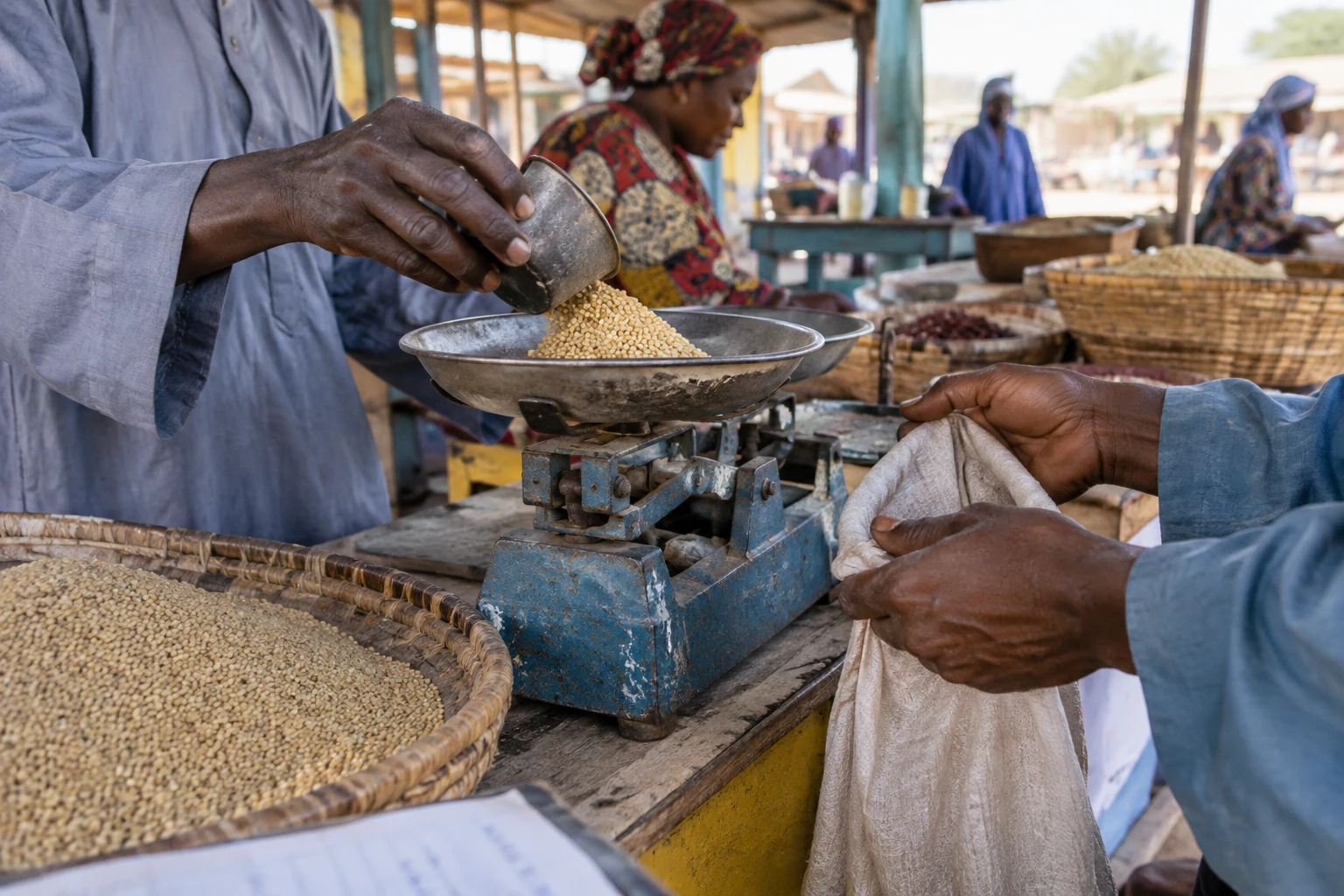
For families crossing the border from northern Nigeria, finding refuge in Niger does not yet mean they can quickly access aid. In Diffa and Tahoua, new arrivals add to existing displacement and put services for refugees and the communities hosting them to the test.
A border under pressure in a region already affected by displacement
South-eastern Niger is directly connected to the Lake Chad Basin, where violence and instability have caused displacement across borders. Further west, the Tahoua region is also seeing arrivals of people fleeing violence in northern Nigeria. These movements are part of a regional crisis that does not follow states’ administrative boundaries.
Niger hosts refugees and asylum-seekers from several countries, as well as people displaced within its own territory. In its situation report as of 31 October 2026, the United Nations High Commissioner for Refugees (UNHCR) counted more than 548,000 internally displaced people. The figure is a reminder that needs concern not only new arrivals: Nigerien families are also displaced and need protection and services.
At regional level, the Lake Chad Basin links Niger, Nigeria, Chad and Cameroon, among other countries. Population movements there call for coordination between countries, particularly on registration, protection and access to services. They also affect host communities, which share resources and often overstretched infrastructure with new arrivals.
Nearly 64,000 arrivals reported since January
In a situation update published on 10 November, UNHCR estimates that nearly 64,000 people fleeing violence in northern Nigeria have arrived in Niger since the start of 2026. This updates earlier estimates, which put the number of arrivals at more than 60,000. UNHCR also reports around 1,200 arrivals in Diffa and 3,400 in Tahoua in October alone.
Recent UNHCR figures help put these movements in context. Its October national dashboard records 23,381 Nigerian refugees in Diffa. It also reports around 39,241 Nigerian and Malian refugees in Tahoua. This latter total covers two nationalities and should therefore not be presented as a figure for Nigerians alone.
In Diffa, UNHCR says that more than two-thirds of those arriving are children. Many families had already been forced to leave their homes once before crossing the border. Available data do not establish a uniform profile for those affected or precisely measure how long they have been displaced.
Registration resources remain a practical concern. According to information provided by UNHCR, only a small proportion of new arrivals — around 5% in the initial tally — had at that point been officially registered. Without registration, the authorities and humanitarian organisations have less information to identify needs, refer people and organise their access to aid. This rate should be treated as an estimate attributed to UNHCR, not as a comprehensive count of everyone present.
Water, healthcare and a response in need of funding
The funding shortfall limits the ability of aid agencies to meet immediate needs. UNHCR is seeking $11.4 million to strengthen its response and pursue long-term solutions in Niger, Nigeria and Benin. Of this amount, $2 million is intended for urgent needs, including water, food, shelter, healthcare, registration and protection.
The pressure is being felt both by people who have just arrived and by residents of host areas. When water, health centres or food run short, access depends on local capacity and the presence of humanitarian teams. Needs do not stop at the border: host communities must also be able to continue using these services.
In Diffa, UNHCR has raised concerns about cereal harvests and malnutrition. The effects of climate change are also weighing on livelihoods. These factors are not the sole cause of displacement, but they reduce households’ room for manoeuvre and make it harder to accommodate new families. The available data, however, do not make it possible here to quantify the effect of each factor.
Funding difficulties can also delay registration operations and the identification of people requiring particular protection. A response focused solely on new arrivals would leave out displaced Nigerien families and host communities. Conversely, services accessible to all residents can reduce competition for resources that are already limited.
An issue that extends beyond Niger
For Niamey, the challenge is twofold: meeting protection needs while maintaining services in host regions. For residents of Diffa and Tahoua, the issue plays out in daily access to water, healthcare and food. For refugees, registration determines their visibility to aid systems, but does not by itself sum up all their rights.
What happens next will depend in particular on how violence in northern Nigeria evolves, the pace of arrivals and the resources actually mobilised. Nigerien authorities, humanitarian agencies and regional partners will also need to monitor the needs of host communities and people already displaced within the country. Displacement to Niger is therefore a border issue, but also a test of regional coordination in the Lake Chad Basin.
The figures cited here come from UNHCR situation updates and its national dashboard as of 31 October 2026. The UNHCR situation update of 10 November details arrivals and funding needs. The UNHCR dashboard on displaced people in Niger provides national and regional data.