Algeria
 Egypt
 Libya
 Morocco
 Sudan
 Tunisia
 Burkina Faso
 Cabo Verde
 Côte d'Ivoire
 Ghana
 Guinea
 Guinea-Bissau
 Liberia
 Mali
 Mauritania
 Niger
 Nigeria
 Senegal
 Sierra Leone
 The Gambia
 Togo
 Cameroon
 Central African Republic
 Chad
 DR Congo
 Equatorial Guinea
 Gabon
 Republic of the Congo
 São Tomé and Príncipe
 Burundi
 Comoros
 Djibouti
 Eritrea
 Ethiopia
 Kenya
 Madagascar
 Malawi
 Mauritius
 Mozambique
 Rwanda
 Seychelles
 Somalia
 South Sudan
 Tanzania
 Uganda
 Angola
 Botswana
 Eswatini
 Lesotho
 Namibia
 South Africa
 Zambia
 Zimbabwe
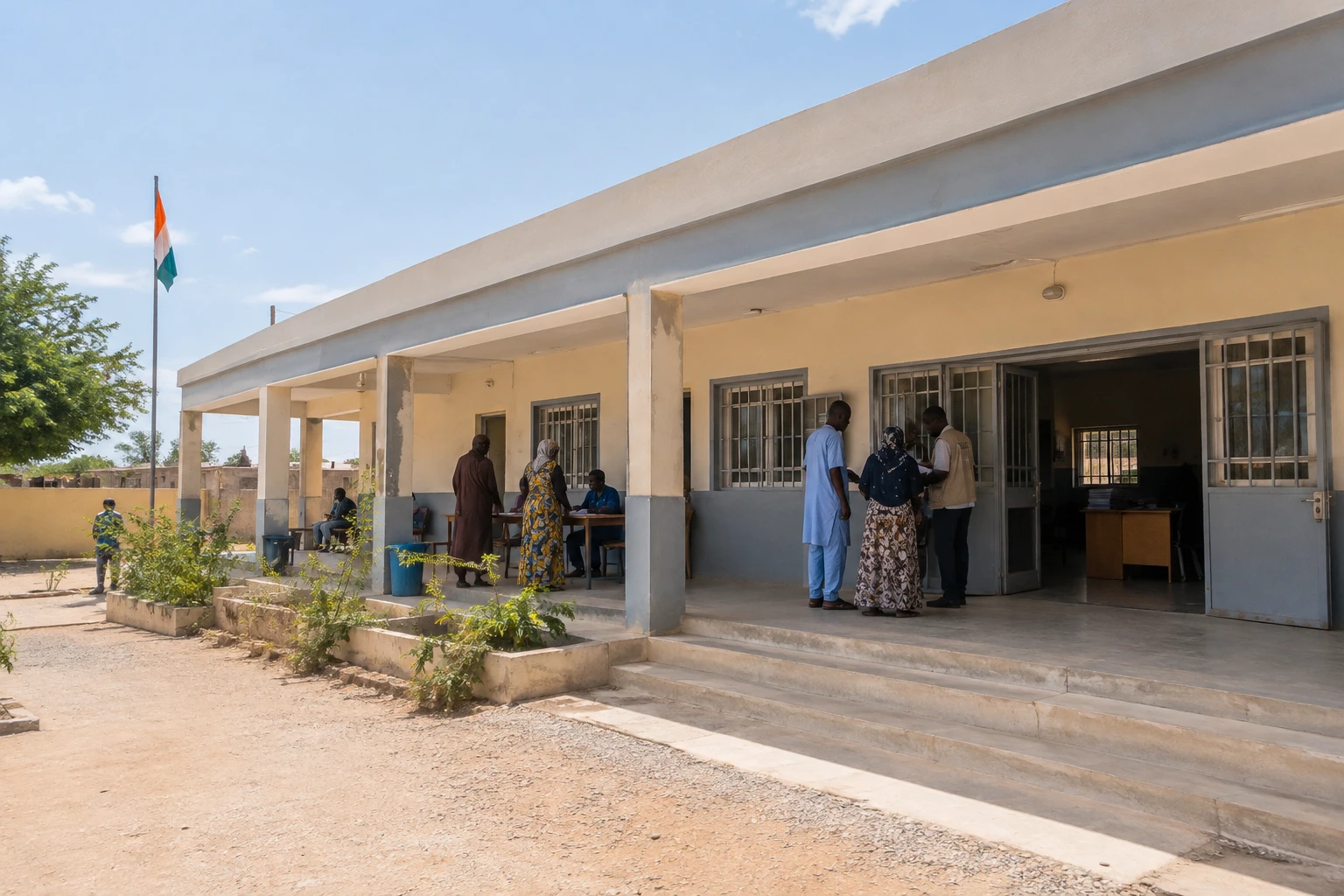
When a family leaves northern Nigeria, crossing the border does not end the emergency: it shifts it elsewhere. In Niger, communities already facing insecurity and difficulties accessing water are now hosting tens of thousands of new arrivals.
A crisis that crosses borders
Northern Nigeria is facing several forms of violence. Attacks by armed groups, including Boko Haram, kidnappings and local clashes are driving people to leave. These dynamics overlap without being identical, and affect the north-eastern and north-western states in different ways.
The movement also involves neighbouring countries. Niger, a member of the Alliance of Sahel States since withdrawing from ECOWAS, shares a long border with Nigeria. Benin, which remains a member of ECOWAS — the regional organisation for West African integration — is also affected by arrivals in its border areas. The displacement is therefore testing reception arrangements and coordination between countries.
Niger has long hosted people displaced by crises in the Lake Chad basin and the Sahel. New arrivals are joining regions where insecurity, climate hazards and limited services are already weighing on residents. The response therefore relies on the authorities, humanitarian organisations and local communities alike.
Tens of thousands leave in 2026
Since the start of 2026, more than 66,000 Nigerians have fled to Niger and Benin, according to UNHCR, the United Nations refugee agency. The agency estimates that this total is three times higher than the figure recorded over the same period in 2025. Niger is receiving the vast majority of those affected.
By mid-October, nearly 60,000 Nigerian arrivals had been recorded in Niger’s Tahoua and Diffa regions. Tahoua accounted for about 36,300 over two months. In a press briefing on 10 November, UNHCR said that nearly 64,000 people had arrived in Niger since January and several hundred had reached Benin. These figures cover different dates and areas; nevertheless, they confirm the scale of the movement.
In Diffa, in south-eastern Niger, UNHCR has recorded more than 23,000 arrivals since the start of the year. More than two-thirds of those affected are children. Some families are living in makeshift shelters and have to walk several kilometres to find water. The agency has also reported cases of malnutrition and difficulties accessing healthcare and school.
Accounts from people who have fled describe hasty departures, sometimes from displacement camps inside Nigeria. Families say they left their homes after attacks and fires. These testimonies shed light on the reasons for leaving, but cannot, on their own, establish an overall toll of the violence.
Registration: the first step to receiving aid
A lack of resources is slowing the registration of new arrivals. UNHCR says that a large proportion of those who reached Niger in 2026 still do not have documents. Without registration, access to aid, social services and identity papers can be complicated. Those affected then risk remaining invisible to protection services.
The different figures cited on this issue should be distinguished. A report published in early November said that more than 34,000 people in Niger and Benin were unregistered. In its 10 November press briefing, UNHCR estimated that only about 5% of Nigerian refugees who arrived in Niger this year had been registered. These figures do not necessarily cover the same area or date: both highlight the scale of the administrative backlog.
The humanitarian response must also take account of the needs of host municipalities. In Diffa, refugee households and residents may rely on the same water points and health services. The Nigerien authorities and local communities are making temporary spaces available, but UNHCR warns that their capacity is not sufficient to absorb the arrivals over the long term.
Children have specific needs. Nigeria’s English-language school system does not correspond directly to that of French-speaking Niger. Without transitional classes or support, some risk interrupting their education. Protection, access to education and the provision of documents are therefore linked to food and health emergencies.
Funding and cooperation to watch
UNHCR has launched an immediate appeal for $2 million to cover priority needs between November 2026 and January 2027. The agency plans, in particular, to support registration and the provision of documents in Niger and Benin, as well as assistance for people in Nigeria. This is a targeted emergency allocation; it forms part of a broader $11.4 million funding requirement to strengthen operations in Niger, Nigeria and Benin.
The shortfall extends beyond this border crisis. At the end of September, UNHCR’s response in the central Sahel was funded at just 27% of the $329.6 million required, according to figures reported by the African Press Agency, APA. Insufficient funding limits the ability to respond quickly, even as host communities need water, healthcare and services to maintain their own resilience.
For Nigeria, where Abuja leads federal policy, the challenge is to reduce the threats driving residents to leave and support people displaced within the country. For its neighbours, it is a matter of organising reception without leaving border regions to shoulder the burden alone. Across West Africa, the situation is a reminder that displacement follows links between territories, even as political relations between states evolve.
The coming months will show whether the funding announced enables registration to be accelerated and access to water, healthcare and school to improve. They will also reveal whether people continue to leave for Diffa, Tahoua and Benin’s border areas. For now, the arrival figure remains an incomplete indicator: people who have yet to be registered are partly outside the systems that could protect them.
UNHCR’s detailed humanitarian data and needs · Regional coverage by the African Press Agency · The UN Geneva press briefing of 10 November 2026