Algeria
 Egypt
 Libya
 Morocco
 Sudan
 Tunisia
 Benin
 Burkina Faso
 Cabo Verde
 Ghana
 Guinea
 Guinea-Bissau
 Liberia
 Mali
 Mauritania
 Niger
 Nigeria
 Senegal
 Sierra Leone
 The Gambia
 Togo
 Cameroon
 Central African Republic
 Chad
 DR Congo
 Equatorial Guinea
 Gabon
 Republic of the Congo
 São Tomé and Príncipe
 Burundi
 Comoros
 Djibouti
 Eritrea
 Ethiopia
 Kenya
 Madagascar
 Malawi
 Mauritius
 Mozambique
 Rwanda
 Seychelles
 Somalia
 South Sudan
 Tanzania
 Uganda
 Angola
 Botswana
 Eswatini
 Lesotho
 Namibia
 South Africa
 Zambia
 Zimbabwe
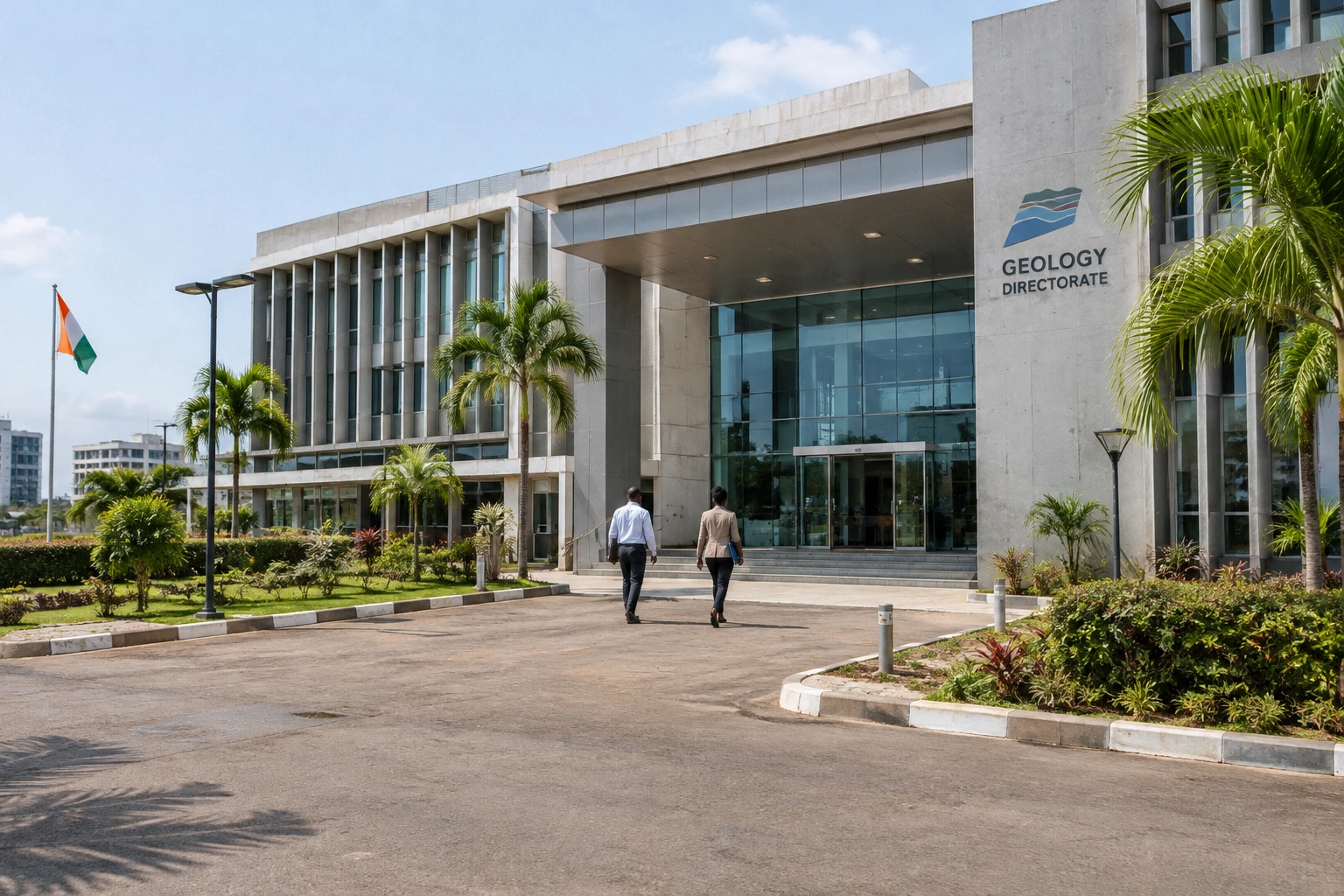
An offshore well could open up a new energy prospect for Côte d’Ivoire, but it guarantees neither a discovery nor production. The next step on block CI-705 is now set: Vaalco Energy must test a target before the end of 2028, following a period of studies and seismic data reprocessing.
An active basin, a target yet to be proven
Block CI-705 lies in the Ivorian Basin, about 70 kilometres west of block CI-40. The latter includes the Baobab oil field and the Kossipo discovery. This proximity gives geologists useful reference points, but does not mean that CI-705 contains commercially recoverable hydrocarbons.
Côte d’Ivoire is continuing to operate existing fields while exploring new offshore areas. On CI-40, production from Baobab resumed in June 2026 after its floating production and storage unit was brought back into service. Vaalco also said that a development drilling programme had begun there. These operations concern assets that have already been identified; CI-705 remains at the exploration stage.
The arrangement involves the Ivorian state, the operator and its partners. Vaalco holds a 70% interest in CI-705 and operates the block. Ivorian company PETROCI and Ivory Coast Exploration Oil & Gas (ICE) are among the licence partners. PETROCI is the state oil company; ICE is an exploration company that was present on the block before Vaalco joined in 2025. The terms announced when the partnership agreement for CI-705 was signed included Vaalco taking on certain exploration costs.
A second phase, with a well required
On 9 November 2026, Vaalco announced that it had completed the first-phase commitments and received approval to move on to the next phase. The first stage involved assessing and interpreting seismic data and information from previously drilled wells. No hydrocarbon discovery was announced on the block following this work.
The second phase includes three obligations: reprocess more seismic data, relinquish about 25% of the licence area and drill an exploration well by the end of 2028. Seismic reprocessing involves reanalysing old or existing measurements to improve the picture of the subsurface. It helps select a target but does not replace drilling, which is the only way to confirm the presence of hydrocarbons in a given structure.
Vaalco says it is studying structural and stratigraphic traps in Upper Cretaceous and Albian formations. In simple terms, these structures can hold oil or gas beneath impermeable layers. The company’s chief executive, George Maxwell, described the prospects as “encouraging” and believes nearby discoveries reinforce the company’s models. This is the operator’s assessment; it is not an independent estimate of resources.
Possible benefits, but still uncertain
Relinquishing a quarter of the block will reduce the area the partners can explore in the next phase. In return, it will focus work on a smaller area selected on the basis of the available data. The choice of target, further studies and technical preparation of the well will therefore affect both the project’s timetable and its cost.
For the state, a positive result could create the prospect of revenue, investment and activity for sector-related services. But these effects depend on a discovery, sufficient volumes and the economic viability of development. Revenue is therefore not guaranteed. For the population, the question is also how any benefits would be distributed and offshore activities regulated. At this stage, the project has not yet reached the point at which these consequences can be assessed.
Côte d’Ivoire is part of ECOWAS, the Economic Community of West African States, where energy supply, infrastructure and investment issues extend beyond national borders. A potential discovery could strengthen the country’s position in regional energy trade, but its impact would depend on volumes and development choices. No production from CI-705 can be anticipated at present.
Drilling the next decisive test
The approval therefore marks administrative and technical progress, not a discovery. The announced timetable gives the partners about two years to refine their understanding of the subsurface and prepare the well. The drilling decision will turn geological indications into a practical test, with an uncertain outcome.
The next steps will be worth watching on two fronts: whether the end-2028 deadline is met and, above all, the well’s results. Until then, CI-705 illustrates Côte d’Ivoire’s offshore exploration strategy, in which nearby assets inform expectations without removing the risks specific to each block.