Algeria
 Egypt
 Libya
 Morocco
 Sudan
 Tunisia
 Benin
 Burkina Faso
 Cabo Verde
 Côte d'Ivoire
 Ghana
 Guinea
 Guinea-Bissau
 Liberia
 Mali
 Mauritania
 Niger
 Nigeria
 Senegal
 Sierra Leone
 The Gambia
 Togo
 Cameroon
 Central African Republic
 Chad
 DR Congo
 Equatorial Guinea
 Gabon
 Republic of the Congo
 São Tomé and Príncipe
 Burundi
 Comoros
 Djibouti
 Eritrea
 Ethiopia
 Kenya
 Madagascar
 Malawi
 Mozambique
 Rwanda
 Seychelles
 Somalia
 South Sudan
 Tanzania
 Uganda
 Angola
 Botswana
 Eswatini
 Lesotho
 Namibia
 South Africa
 Zambia
 Zimbabwe
The decline in diabetes recorded in recent surveys marks a turning point in Mauritius, not a victory already won. In a country where nearly one adult in five was affected in 2021, the challenge is now to understand what has changed and maintain access to screening and care.
A decline after decades of increase
Type 2 diabetes is a chronic disease that disrupts the regulation of blood sugar. In Mauritius, its prevalence rose for decades before falling in the most recent surveys. A study published in November 2026 in The Lancet Diabetes & Endocrinology traces this trend using seven national surveys conducted between 1987 and 2021.
According to the study, the standardised prevalence of type 2 diabetes rose from 14.7% in 1987 to a peak of 23.3% in 2009, before falling to 19.9% in 2021. A decline is also apparent in intermediate hyperglycaemia, often called prediabetes: its prevalence fell from 24.9% in 2009 to 15.6% in 2021. The authors describe Mauritius as the first country in which a sustained decline in both indicators has been demonstrated using objective measurements from oral glucose tolerance tests, in line with the criteria recommended by the World Health Organization. The study abstract on PubMed sets out the method and findings.
The figures nevertheless require precision. The declines of 11% among men and 16% among women cited in some presentations are not the main results reported in the study abstract. The abstract compares, among other points, a 2009 peak with a 2021 measurement. The 2021 Mauritian survey, for its part, reports a prevalence of 19.9% among people aged 25-74, including 21.6% among men and 18.5% among women. Comparisons vary according to the period, the population studied and the statistical method.
Screening closer to communities
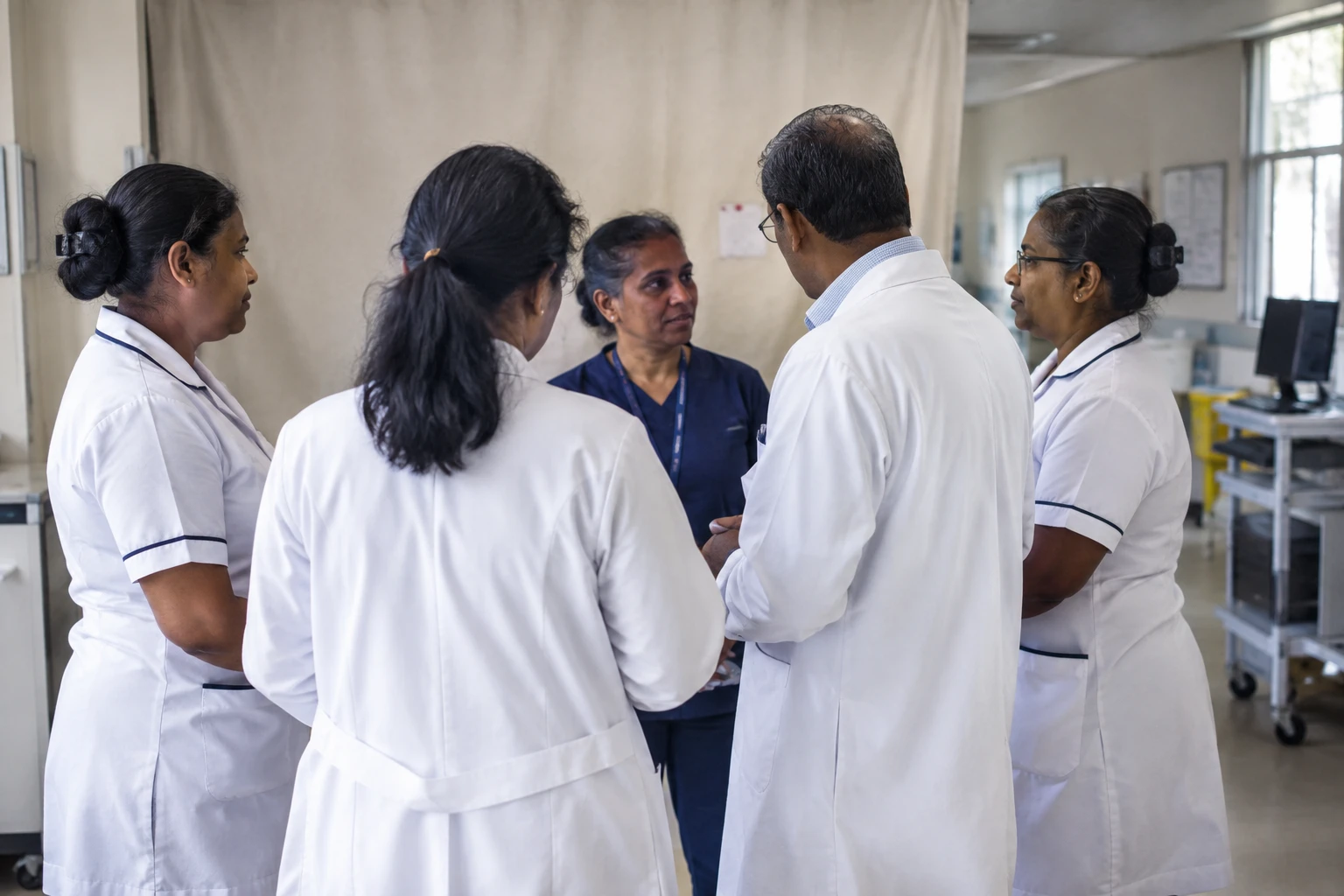
In Port Louis, as in other parts of the island, the public system combines consultations, medical follow-up and prevention. Mauritius’s Ministry of Health says it aims to screen about 40,000 people a year for non-communicable diseases. Mobile teams work in places including workplaces, schools and communities. The secondary screening programme covers around 45,000 pupils each year. The official screening programmes in Mauritius describe these services.
Early detection can direct people at risk towards appropriate tests and care before complications develop. For those already living with the disease, follow-up involves more than prescribing medicines: it can also include eye and foot checks, as well as health advice. Training specialist nurses and developing dedicated units are strengthening this care.
Free care in the public system, highlighted in accounts gathered on the ground, removes a significant financial barrier. But access in practice also depends on the availability of health professionals, waiting times for appointments and continuity of follow-up. These factors weigh particularly heavily on people who must balance treatment with work and travel.
Real progress, but a substantial burden remains
The decline does not mean diabetes has become marginal. The 2021 national survey estimates that 19.9% of Mauritians aged 25 to 74 have diabetes. It also puts the prevalence of prediabetes at 15.9%. In other words, a significant share of the population remains affected by the disease or faces an increased risk of developing it. The Mauritian report on non-communicable diseases provides these findings and details the methods used.
The data also show differences by age and sex. In 2021, prevalence reached 42.3% among people aged 65-74, compared with 4.4% among those aged 25-34. Men had a higher rate than women. These differences are a reminder that a national average alone does not capture the needs of each group.
The Ministry of Health itself acknowledges that responses to non-communicable diseases remain fragmented in some cases and that a more integrated approach is still needed. Its national plan also highlights the toll diabetes takes on mortality in Mauritius. Prevention must therefore continue alongside patient follow-up, efforts to manage complications and improvements in lifestyle habits, without placing all the responsibility on individuals.
An experience to watch across the region
Mauritius is a member of the Southern African Development Community (SADC), a regional organisation bringing together countries in southern Africa and the Indian Ocean. Its experience is therefore of interest to health policymakers beyond the island, particularly in a region where chronic diseases are placing growing demands on medical services. The observed decline does not prove that any one measure caused it: surveys chart a trend, while campaigns, screening and the organisation of care form part of the national context.
The next step will be to establish whether the trend continues in new surveys and whether the benefits reach the whole population. The authorities are considering facilities dedicated to prediabetes in different regions. Their impact will depend on their implementation and their ability to link screening, support and regular care. For Mauritians already receiving care, the immediate challenge remains practical: maintaining continued access to treatment and necessary check-ups.