Algeria
 Egypt
 Libya
 Morocco
 Sudan
 Tunisia
 Benin
 Burkina Faso
 Cabo Verde
 Côte d'Ivoire
 Ghana
 Guinea-Bissau
 Liberia
 Mali
 Mauritania
 Niger
 Nigeria
 Senegal
 Sierra Leone
 The Gambia
 Togo
 Cameroon
 Central African Republic
 Chad
 DR Congo
 Equatorial Guinea
 Gabon
 Republic of the Congo
 São Tomé and Príncipe
 Burundi
 Comoros
 Djibouti
 Eritrea
 Ethiopia
 Kenya
 Madagascar
 Malawi
 Mauritius
 Mozambique
 Rwanda
 Seychelles
 Somalia
 South Sudan
 Tanzania
 Uganda
 Angola
 Botswana
 Eswatini
 Lesotho
 Namibia
 South Africa
 Zambia
 Zimbabwe
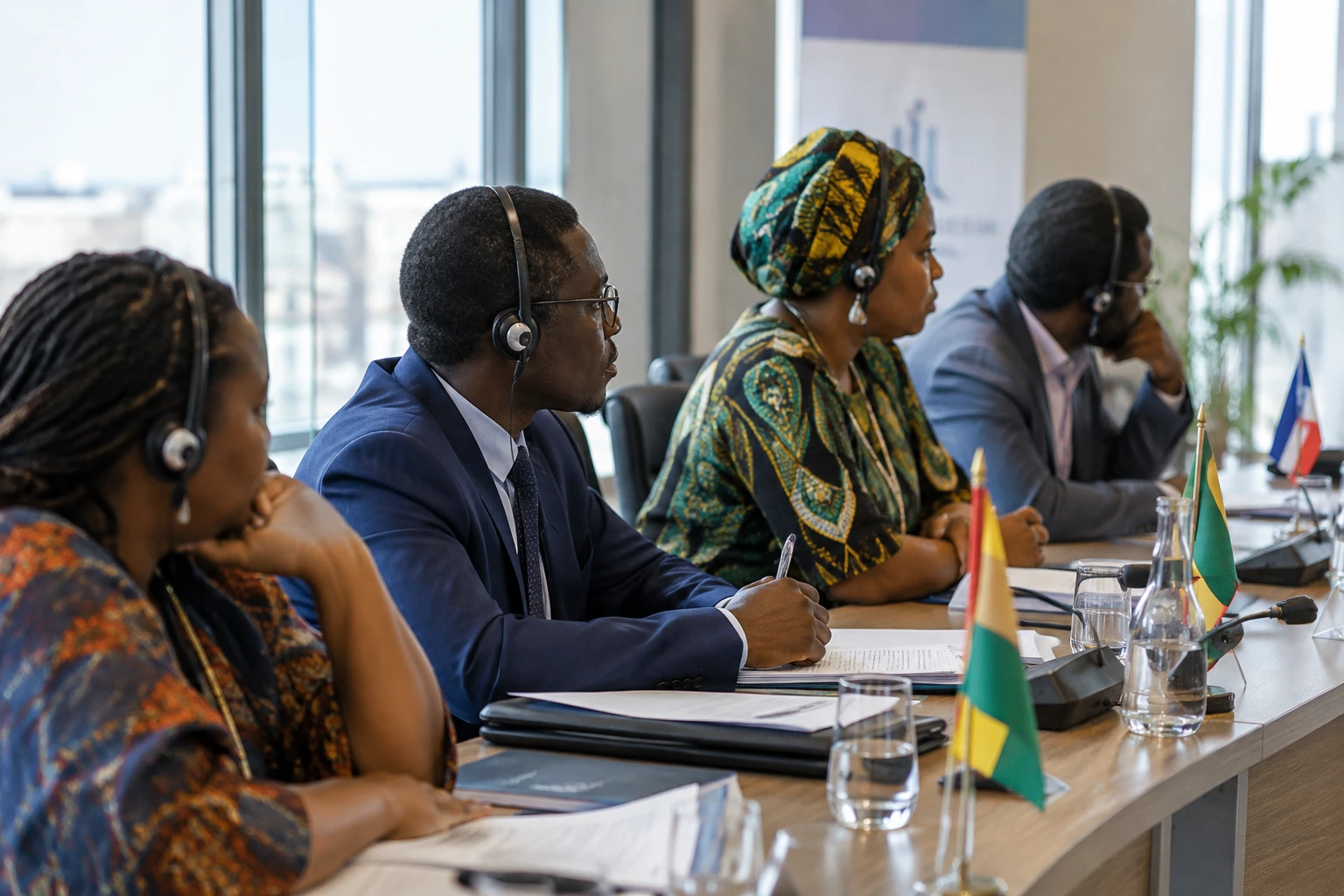
In Kankan, eight pupils were taken to the police on 2 November after being found outside their schools during lessons. In Conakry, parents have already appeared before the courts. The fight against school absenteeism in Guinea is thus taking a criminal turn, raising a central question: how can the right to education be protected without making children the first to bear responsibility for a broader problem?
Two cities, similar judicial measures
The initiative began in Kankan. On 19 October, the public prosecutor at the Court of First Instance asked the police to detain pupils found outside their schools during lesson hours, particularly in café-bars or public places. His requisition also refers to the use of illicit substances and the making of videos on TikTok. These grounds reflect concerns expressed by the prosecutor’s office; they do not, in themselves, establish facts in the case of every child detained.
On 2 November, eight pupils were arrested during an operation in Kankan, according to several Guinean media outlets. The authorities said the girls had been found outside their schools. Their cases were then due to be examined by the prosecutor’s office. The prosecutor had mentioned community service, such as cleaning public buildings, for the pupils concerned. Parents, meanwhile, may be summoned to answer for their role in overseeing their children’s schooling.
In Conakry, operations were also launched in several communes from 26 October. The special prosecutor at the Children’s Court said that around 20 parents had appeared before the court. This figure was reported by Guinean media based on his statements. The number of pupils detained in the capital has not been publicly specified in the information available.
The right to education and parental responsibility
Prosecutors cite the responsibility of parents and guardians. Guinea’s Children’s Code provides for penalties when parental duties are neglected to the point of jeopardising a minor’s education. It also addresses failure to enrol children in school. However, these provisions do not mean that every occasional absence automatically leads to a conviction: the reasons and circumstances must be examined in each case. The Children’s Code published by Guinea’s National Assembly sets out these obligations in detail.
The law alone, however, does not address the reasons for an absence. An individual inquiry can distinguish between deliberately skipping lessons and a family difficulty, a health problem, a complicated journey or a risk of dropping out. Public information available on the Kankan and Conakry operations does not yet specify whether these factors were examined for each pupil.
This distinction matters. Not all parents have the same means to monitor every school day. Nor do pupils face the same circumstances depending on their age, neighbourhood or family situation. A penalty can reinforce the obligation to attend school; it cannot replace dialogue with schools, support for young people at risk of dropping out, or the identification of barriers to their classroom attendance.
Protecting minors at the heart of the debate
In Kankan, the prosecutor’s office referred the detained pupils to the Office for the Protection of Gender, Children and Morals, which is responsible, among other things, for protecting vulnerable people. This step is important: an operation involving minors must be accompanied by safeguards suited to their age and circumstances. Published information does not yet provide details of the procedures followed for each of the eight pupils, or of the measures that will actually be applied to them.
The prosecutor in Kankan presented cleaning public buildings as a possible measure. It is therefore prudent not to describe it as a penalty already carried out in every case. The nature of any measure must be established by the competent authorities, and its application to minors calls for particular attention to the child’s protection, dignity and best interests.
The debate is therefore not only about attendance. It also concerns how the courts, families and schools share responsibility. If the aim is to ensure pupils are in class, the effectiveness of the initiative will also be measured by its ability to prevent children from dropping out, direct young people towards support and avoid detention becoming a uniform response to different situations.
A Guinean issue requiring West African vigilance
Guinea is a member of ECOWAS, the Economic Community of West African States. The regional organisation also promotes child-protection policies. The issue therefore goes beyond the local implementation of judicial instructions: it raises a shared question of balancing access to education, the protection of minors and adult responsibility. ECOWAS’s country page on Guinea confirms the country’s regional ties.
For the Guinean authorities, the immediate challenge will be to clarify the outcome of the operations and the criteria used to detain pupils. In Conakry and Kankan alike, transparency about procedures and the safeguards afforded to minors will help distinguish a preventive measure from a primarily punitive response. Only then can the fight against absenteeism remain focused on its purpose: keeping children in education, rather than reducing the problem to their presence in public spaces.