Algeria
 Egypt
 Libya
 Morocco
 Sudan
 Tunisia
 Benin
 Burkina Faso
 Cabo Verde
 Ghana
 Guinea
 Guinea-Bissau
 Liberia
 Mali
 Mauritania
 Niger
 Nigeria
 Senegal
 Sierra Leone
 The Gambia
 Togo
 Cameroon
 Central African Republic
 Chad
 DR Congo
 Equatorial Guinea
 Gabon
 Republic of the Congo
 São Tomé and Príncipe
 Burundi
 Comoros
 Djibouti
 Eritrea
 Ethiopia
 Kenya
 Madagascar
 Malawi
 Mauritius
 Mozambique
 Rwanda
 Seychelles
 Somalia
 South Sudan
 Tanzania
 Uganda
 Angola
 Botswana
 Eswatini
 Lesotho
 Namibia
 South Africa
 Zambia
 Zimbabwe
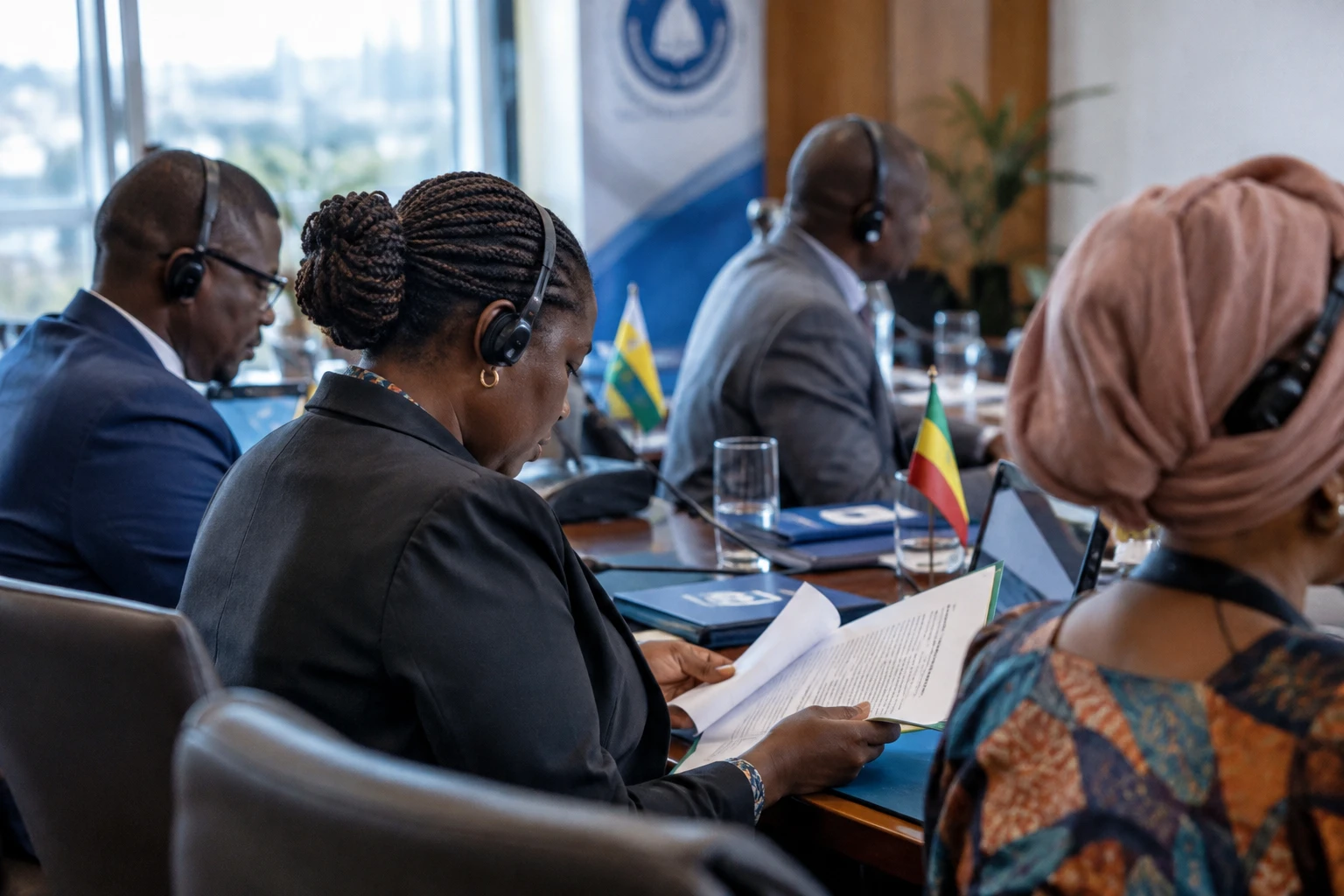
Leaving the Financial Action Task Force (FATF) enhanced monitoring list is an important step for Abidjan and Kinshasa. But the decision is not enough to end the checks that European banks still apply to transactions linked to Côte d’Ivoire and the Democratic Republic of the Congo (DRC).
The gap reflects the coexistence of two separate systems. FATF’s decision to remove the countries recognises progress in combating money laundering and terrorist financing. The European Union’s list follows its own procedure. For businesses, banks and their customers, the difference is tangible: a diplomatic advance does not yet mean enhanced checks have ended.
Two countries, two reform journeys
The decision was taken on 30 October 2026, at the end of FATF’s plenary meeting in Paris. The body removed four jurisdictions from its enhanced monitoring list: Côte d’Ivoire, the DRC, Bulgaria and Monaco. The two African countries had been on the list since October 2024 and October 2022, respectively.
The “grey list” covers countries that have committed to addressing strategic shortcomings in their financial systems. It entails enhanced monitoring and regular reporting on progress with reforms. FATF says both countries completed their action plans within the agreed deadlines and that on-site visits confirmed the reported progress. The conclusions of the FATF plenary meeting also state that work will continue with the relevant regional bodies.
For Côte d’Ivoire, removal brings two years of enhanced monitoring to a close. Measures included oversight of financial institutions, identifying the beneficial owners of companies and international judicial cooperation. The Ivorian government has also highlighted stronger investigations and prosecutions. These measures are reported by the National Financial Information Processing Unit of Côte d’Ivoire, while FATF confirms the action plan has been completed.
In the DRC, the process lasted four years. Reforms included adopting a national anti-money laundering strategy, strengthening the financial intelligence unit and building the capacity of investigative services. The Central Bank of the Congo confirmed the removal on 30 October. Congolese news agency ACP and Radio Okapi also reported the decision; Radio Okapi says the national plan contained 23 measures. The Central Bank of the Congo’s statement confirms the official decision.
European checks follow their own timetable
Removal from the FATF list does not automatically take a country off the EU list of high-risk third countries. The European Commission continues to list Côte d’Ivoire and the DRC, respectively since 5 August 2025 and 16 March 2023. The two listings follow different procedures: Brussels must take a separate decision to amend its own list.
For banks and other regulated entities in the European Union, the consequence is increased scrutiny of certain business relationships and transactions involving these countries. This may mean requests for additional documentation or more extensive checks. The system does not amount to a general ban on trade: it strengthens checks designed to identify financial risks. The European Commission’s list and related obligations set out these measures.
The distinction may affect different actors in different ways. Large companies and banks often have specialist teams to respond to compliance requests. For small businesses, money transfer providers or companies reliant on international payments, additional checks may instead lengthen processing times and increase administrative costs. The scale of these effects depends, however, on the transactions involved and each institution’s practices.
Regional ties to be strengthened
Leaving the grey list does not mean the technical work is over. Côte d’Ivoire will continue its cooperation with GIABA, the intergovernmental body combating money laundering in West Africa, which is linked to ECOWAS. The DRC will continue working with GABAC, which covers Central Africa, and GABAOA, active in Eastern and Southern Africa. FATF explicitly said that these regional partnerships should help preserve the gains made.
For the authorities, the challenge is now to sustain the reforms beyond the international assessment: investigations followed by prosecutions, effective supervision of financial institutions and cooperation between national agencies. For people and businesses, the quality of implementation matters as much as the adoption of rules. A stronger system can help detect illicit flows; it must also remain workable for legitimate economic activity.
The European process is the next milestone to watch for Abidjan and Kinshasa. Their possible removal will depend on a Commission decision, not follow automatically from FATF’s announcement. The case is a reminder that African countries can make progress in different international frameworks at different speeds. The economic impact of the 30 October decision will therefore also depend on how European authorities revise their listing and how national institutions consolidate their gains.