Algeria
 Egypt
 Libya
 Morocco
 Sudan
 Tunisia
 Benin
 Burkina Faso
 Cabo Verde
 Côte d'Ivoire
 Ghana
 Guinea
 Guinea-Bissau
 Liberia
 Mali
 Mauritania
 Niger
 Nigeria
 Senegal
 Sierra Leone
 The Gambia
 Togo
 Cameroon
 Central African Republic
 Chad
 DR Congo
 Equatorial Guinea
 Gabon
 Republic of the Congo
 São Tomé and Príncipe
 Burundi
 Comoros
 Djibouti
 Eritrea
 Ethiopia
 Kenya
 Madagascar
 Malawi
 Mauritius
 Mozambique
 Seychelles
 Somalia
 South Sudan
 Tanzania
 Uganda
 Angola
 Botswana
 Eswatini
 Lesotho
 Namibia
 South Africa
 Zambia
 Zimbabwe
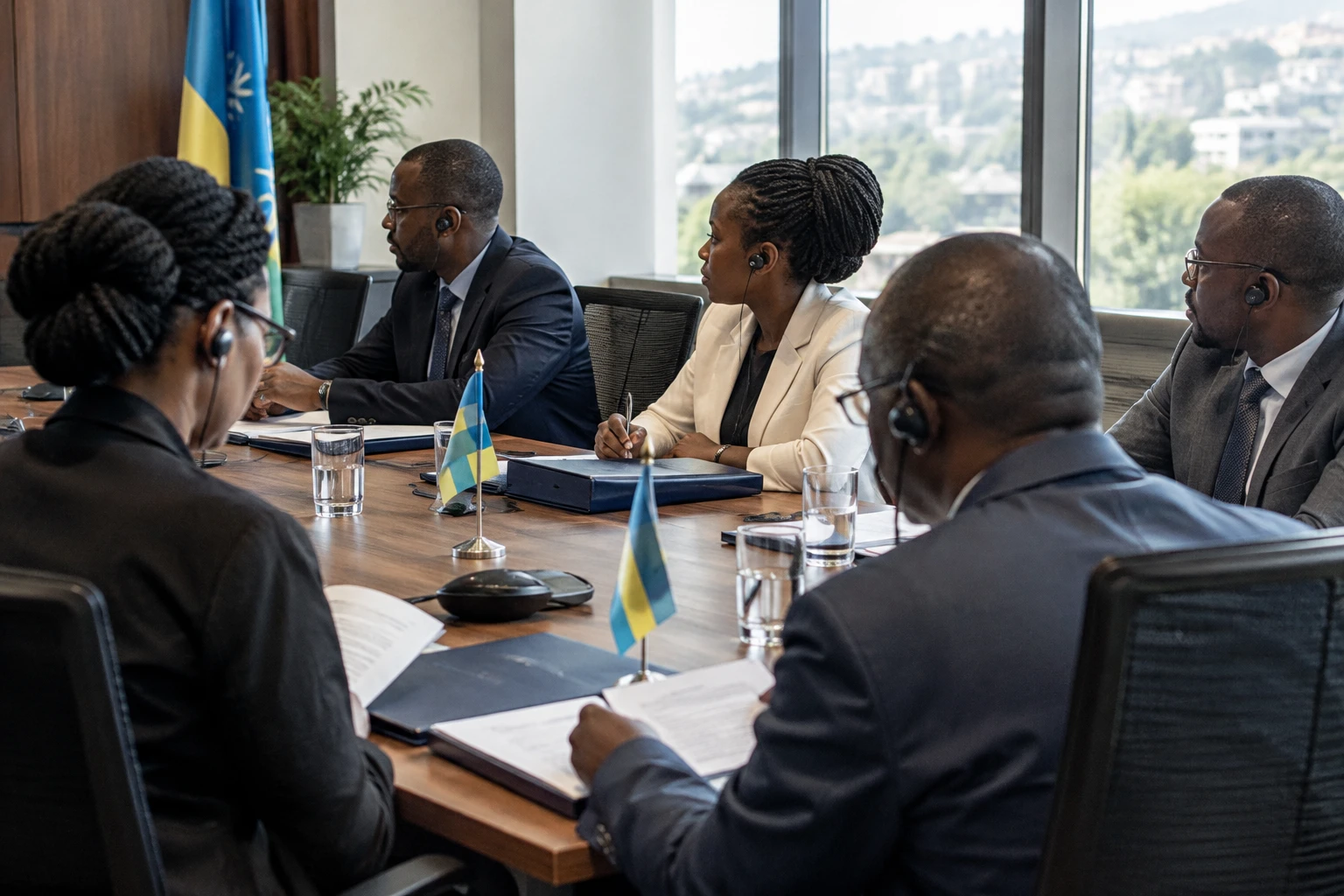
More than 30 years after the genocide against the Tutsi in Rwanda, trials held abroad continue to examine a specific question: did people accused of crimes conceal their past to obtain immigration status, then lie under oath? In Boston, the verdict in the case against Eric Nshimiye adds a new episode to this long judicial process.
A trial for perjury, not a genocide judgment
On 27 October 2026, a federal jury in Boston found Nshimiye guilty on four counts of perjury and one count of obstruction of justice. The verdict concerns statements he made before a jury in 2019, during the trial of Jean Leonard Teganya. It is not, in itself, a conviction of Nshimiye for genocide. The distinction is essential: prosecutors presented allegations that he took part in the massacres, while the offences tried here relate to lying under oath and obstructing justice.
The judge set the sentencing hearing for 26 January 2027. The maximum penalties are five years for each of the four perjury counts and ten years for obstruction. They do not determine the sentence that will actually be imposed.
The disputed testimony dates back to Teganya’s trial. Nshimiye had said that neither he nor his former university classmate had taken part in the violence. According to the prosecution, the testimony was intended to protect both men. Evidence presented at the 2026 trial included the account of a witness who was 17 in 1994 and said he had seen Nshimiye beat to death with a club a tailor working at Butare University Hospital. These facts were presented to the jury; they must be distinguished from the counts on which he was convicted.
From Butare to Boston, a case in two stages
Nshimiye, now 54 and a resident of Ohio, was studying medicine in Butare, in southern Rwanda, in the early 1990s. He left the country for Kenya in 1994, then was admitted to the United States as a refugee in 1995, according to US authorities. The prosecution argues that he concealed his alleged role in the violence during his immigration proceedings. He later testified at Teganya’s trial in 2019.
That first trial ended with Teganya’s conviction for immigration fraud and perjury. On 1 July 2019, a federal judge sentenced him to 97 months in prison, or just over eight years. The case concerned statements made to obtain immigration benefits in the United States. Prosecutors also attributed crimes committed during the genocide to him; Teganya denied any involvement in the massacres.
Proceedings against Nshimiye began in 2024, when he was arrested and charged. His trial therefore focused on separate acts committed years after the 1994 violence: information provided to US authorities and testimony given in the Teganya case. His lawyer disputed the charges and said the defence intended to pursue the available avenues of appeal. This challenge remains significant in a system where a verdict may still be appealed.
Justice across borders
The case illustrates the role of national courts in prosecuting crimes committed abroad. The United States did not try Nshimiye here before an international court. The federal court in Boston dealt with offences under US law: perjury, obstruction of justice and, in the earlier case, immigration fraud. This route can help establish accountability, but it does not replace proceedings directly addressing genocide crimes.
Rwanda followed a particular judicial path after 1994. The International Criminal Tribunal for Rwanda was established by the United Nations and sat in Arusha, Tanzania. At the same time, Rwandan courts prosecuted a large number of people, notably through the community-based gacaca courts, established to handle cases at local level. Today, domestic and foreign proceedings continue to intersect. For survivors, they can provide spaces to testify, but they also mean revisiting violence experienced decades earlier.
The regional significance extends beyond Rwanda’s borders. Rwanda is a member of the East African Community (EAC), an organisation that brings together several countries in the region and promotes cooperation among them. The crimes of 1994, population displacements and searches for suspects involved several neighbouring states. Cases opened abroad thus serve as a reminder that judicial cooperation, information-sharing and witness protection remain regional concerns, although the EAC is not directly involved in the Boston trial.
What the verdict changes — and what it does not decide
For US authorities, the conviction confirms that statements made under oath can lead to prosecution even when they concern events far away in time and place. For the survivors heard in Boston, the trial gave a platform to testimony from Rwanda. But the conviction does not answer every question about the violence attributed to Nshimiye. Nor does it rule on any potential criminal responsibility for genocide before a court with jurisdiction over such crimes.
Any immigration consequences have not been established by the verdict alone. The next announced step is the sentencing hearing on 26 January 2027. The defence may also challenge the decision. The final judgment and any appeal proceedings will therefore need to be followed before drawing conclusions about the sentence or administrative consequences.
For Rwanda, the case is a reminder that the memory of the genocide is also addressed in courts far from Kigali. For foreign courts, it sets a demand for precision: distinguish facts proved in the trial at hand from allegations relating to the massacres. Only on that basis can transnational prosecutions account for the past without conflating offences, alleged responsibility and verdicts actually handed down.
Rwandan outlet The New Times on the verdict against Eric Nshimiye and the Massachusetts federal prosecutor’s statement report on the decision. For the earlier case, the US Department of Justice details Jean Leonard Teganya’s conviction.