Algeria
 Egypt
 Libya
 Morocco
 Sudan
 Tunisia
 Benin
 Burkina Faso
 Cabo Verde
 Côte d'Ivoire
 Ghana
 Guinea
 Guinea-Bissau
 Liberia
 Mali
 Mauritania
 Niger
 Nigeria
 Senegal
 Sierra Leone
 The Gambia
 Togo
 Cameroon
 Central African Republic
 Chad
 DR Congo
 Equatorial Guinea
 Gabon
 Republic of the Congo
 São Tomé and Príncipe
 Burundi
 Comoros
 Djibouti
 Eritrea
 Ethiopia
 Kenya
 Malawi
 Mauritius
 Mozambique
 Rwanda
 Seychelles
 Somalia
 South Sudan
 Tanzania
 Uganda
 Angola
 Botswana
 Eswatini
 Lesotho
 Namibia
 South Africa
 Zambia
 Zimbabwe
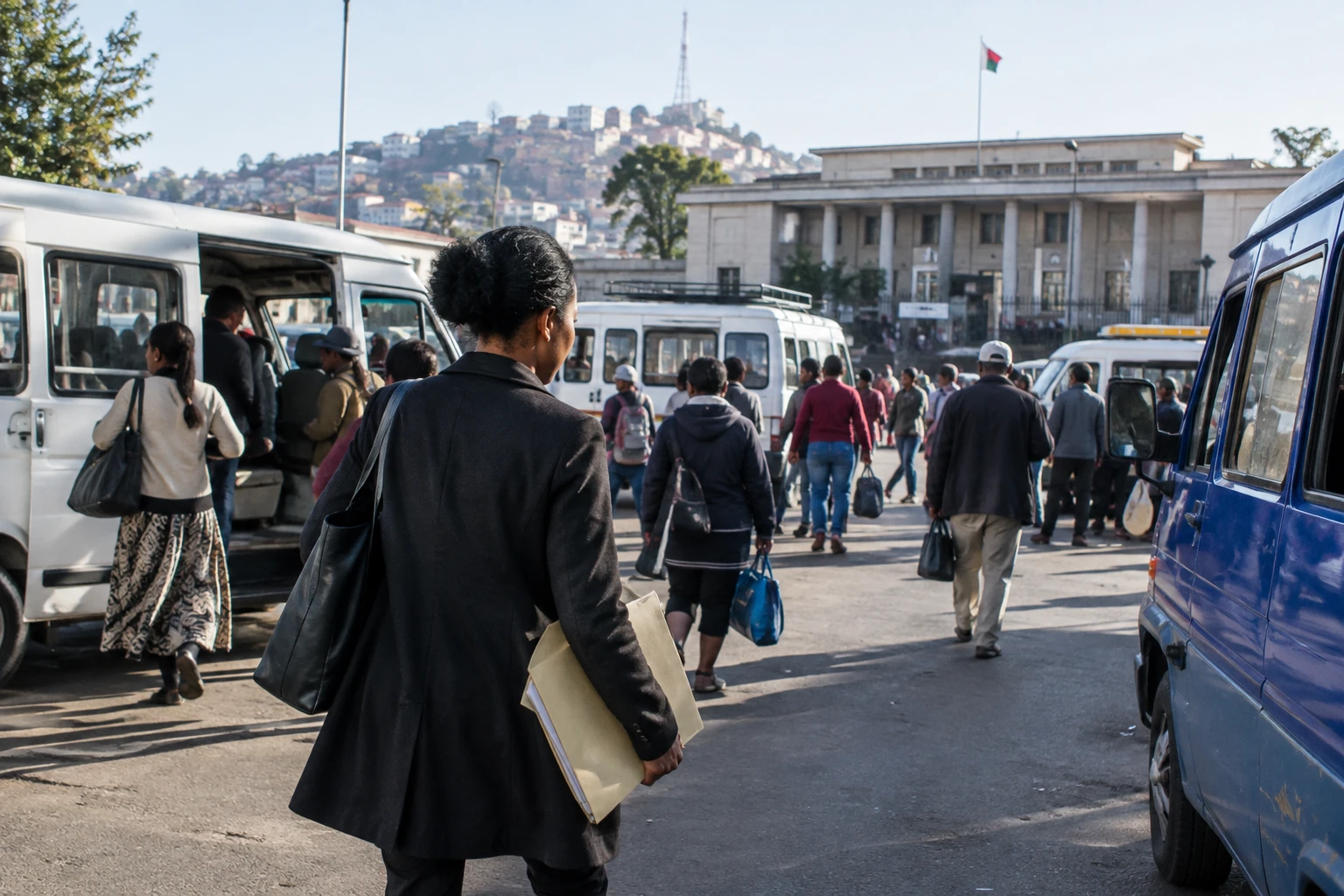
In Antananarivo, the question is no longer simply whether cases involving former Malagasy leaders can be investigated. It is now a matter of determining which court should hear allegations of corruption. On 28 October 2026, the High Constitutional Court (HCC) clarified the division of responsibilities, paving the way for the resumption of proceedings that had been suspended.
Two courts, distinct areas of jurisdiction
The HCC’s ruling distinguishes between acts linked to the exercise of public office and offences of corruption and related crimes. In the latter cases, former president Andry Rajoelina and several members of his government may be brought before the Anti-Corruption Pole (PAC), a specialised court dealing with corruption and financial crime. The ruling does not establish their guilt: the facts remain to be examined by judges.
The constitutional framework provides a separate route for acts carried out in the exercise of presidential duties. Under Article 131, the High Court of Justice (HCJ) has jurisdiction to try the president for high treason, serious or repeated violations of the Constitution, or conduct incompatible with the office. Impeachment is the responsibility of the National Assembly. The HCC considers that corruption offences pursued in the cases concerned, if they involve personal gain, are not automatically covered by this privilege.
The same distinction applies to former prime minister Christian Ntsay and the former ministers concerned. They remain subject to the HCJ for acts connected with their duties, but may appear before the PAC over conduct classified as corruption or related offences. The ruling also names former secretary-general of the Ministry of Mines Herilaza Imbiki in connection with acts dating from his time in that post.
Cases with several strands
The HCC was petitioned by the PAC in Antananarivo after it suspended consideration of several cases and submitted three constitutional petitions. The ruling, delivered on 28 October, concerns Andry Rajoelina, Christian Ntsay, former ministers Rindra Hasimbelo Rabarinirinarison and Marie-Michelle Sahondrarimalala, former mines minister Fidiniavo Ravokatra, and Herilaza Imbiki.
The proceedings cited include the award of a public contract for school desks and benches, the management of the Malagasy Sovereign Fund, which is intended to finance development projects, and a case involving the disappearance of 36 kilograms of gold bars from the Ministry of Mines. According to available reports, Andry Rajoelina is not named in the last case. The reported suspicions include embezzlement of public funds, money laundering, corruption and forgery. These are allegations, not facts established by a final judgment.
The High Court also states that the decree concerning Andry Rajoelina’s loss of Malagasy nationality does not retroactively invalidate the acts and prerogatives attached to his terms in office. This separates the question of nationality from that of judicial jurisdiction: according to the ruling, it does not prevent prosecution before the PAC for the offences concerned.
A test for justice and the transition
This legal clarification comes amid a sensitive political climate. Andry Rajoelina left power in October 2025, following a period of protest and a change of regime. Since then, the new authorities have made the fight against corruption a matter of legitimacy. How the cases are investigated will therefore affect confidence in the transition, as well as perceptions of the courts’ independence.
The HCC’s ruling opens a procedural route; it guarantees neither a swift trial nor any particular outcome. Magistrates will have to examine the evidence in each case, hear the people concerned and respect the rights of the defence. This stage matters for former officials and citizens alike: the credibility of the justice system will depend on rules being applied consistently, without automatic immunity and without a presumption of guilt.
The PAC’s own functioning is also at stake. A national assessment of the anti-corruption system notes that the 2021 legislative reform was received differently by sector stakeholders. Some saw it as a response to operational difficulties; others thought it could undermine the effectiveness and independence of the poles. In this context, the transparency of hearings, publication of judgments and the courts’ ability to handle cases involving serving officials will be closely watched.
A regional dimension to watch
For Madagascar, an island country in East Africa, the stakes go beyond rivalries between former and current leaders. Public contracts, mineral resources and development funds directly affect the management of public assets. The consequences of a credible or contested process will not be the same for everyone: companies bidding for contracts, public servants, taxpayers and people living far from the capital do not have equal access to institutions or the same ability to follow the cases.
Regionally, Madagascar is a member of the Southern African Development Community (SADC), which brings together states in Southern Africa and the Indian Ocean. The developments in this case will be watched as an indicator of the Malagasy institutions’ ability to deal with accusations against prominent figures under domestic law. The next concrete step will be the resumption of proceedings at the PAC and the decisions taken in each case. That is where the real scope of the 28 October constitutional interpretation will be tested.