Algeria
 Egypt
 Libya
 Morocco
 Sudan
 Tunisia
 Benin
 Burkina Faso
 Cabo Verde
 Côte d'Ivoire
 Ghana
 Guinea
 Guinea-Bissau
 Liberia
 Mali
 Mauritania
 Niger
 Nigeria
 Senegal
 Sierra Leone
 The Gambia
 Togo
 Cameroon
 Central African Republic
 Chad
 DR Congo
 Equatorial Guinea
 Gabon
 Republic of the Congo
 São Tomé and Príncipe
 Burundi
 Comoros
 Djibouti
 Eritrea
 Ethiopia
 Kenya
 Madagascar
 Malawi
 Mauritius
 Mozambique
 Rwanda
 Seychelles
 Somalia
 South Sudan
 Tanzania
 Angola
 Botswana
 Eswatini
 Lesotho
 Namibia
 South Africa
 Zambia
 Zimbabwe

When the dollar becomes more expensive, the effects reach beyond bureaux de change. In Uganda, the shilling’s decline makes fuel imports costlier and can put pressure on transport, prices and businesses’ costs. The authorities want to curb this trend without promising a fixed exchange rate.
Pressure also comes from foreign trade
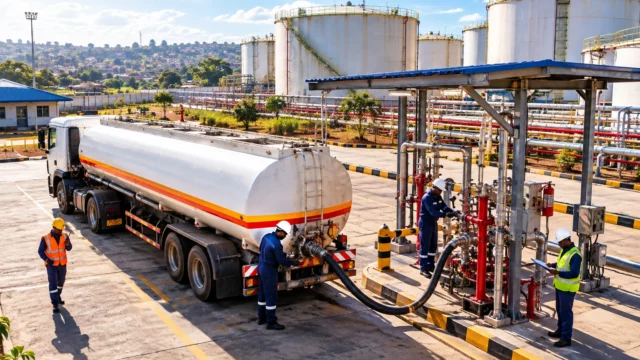
Uganda’s economy relies on foreign currency to pay for some of its imports, notably oil. Demand for dollars therefore rises when energy bills, sea freight and insurance become more expensive. Tensions in the Middle East add to these costs and make markets more uncertain.
At the same time, foreign-currency earnings are not all growing at the same pace. Finance Minister Henry Musasizi cited falling prices for some exported agricultural commodities, including coffee and cocoa, as well as lower tourism receipts. These factors reduce the dollars available to importers and other economic actors.
The situation comes amid regional pressures, with energy and transport prices also fuelling inflation. In September 2026, annual inflation in Uganda reached 4.6%, up from 4.1% in August. The increase was higher for energy, fuel and utilities, at 14.5% year on year, according to Uganda’s finance ministry.
Higher rates and targeted public spending
On 27 October, speaking to parliament in Kampala, Henry Musasizi set out the authorities’ response to the shilling’s depreciation. The currency fell from about 3,604 shillings per dollar in March 2026 to nearly 4,500 at the end of October. The Bank of Uganda had already raised its policy rate to 12% at a special meeting, from 9.75% previously. It also increased commercial banks’ reserve requirement from 11% to 13.5% — the share of deposits they must hold with the central bank.
The measures are intended to tighten credit conditions and contain price pressures. But they may come at a cost: borrowing could become more expensive for households and businesses. Small businesses, which have less access to alternative financing, may be particularly sensitive to the increase.
On the budget front, the government has announced cuts to spending deemed non-essential, including travel, workshops, meetings and some administrative costs. It says it wants to protect priority public services and development investment. This distinction will be crucial: savings on operating costs can help keep public finances in check, but poorly targeted cuts risk delaying services or projects that benefit the population.
The budget constraint is real. The finance ministry’s monthly report shows that public revenue in September 2026 was 275.57bn shillings below the target for the month. The deficit reached 244.14bn, against a forecast of 33.18bn. These figures are a reminder that the state must balance support for economic activity, funding for services and control of its borrowing needs.
The shilling has no fixed target
The authorities say they want to limit excessive movements, not defend a specific parity with the dollar at all costs. The government describes the exchange rate as market-determined and says the Bank of Uganda can manage liquidity or intervene to reduce what it considers excessive volatility. This distinction matters: using reserves too quickly to maintain a given rate could reduce the country’s ability to meet its external obligations.
The minister has also urged Ugandans to avoid buying foreign currency in response to panic or rumours. A rush for dollars can temporarily increase demand and intensify pressure. However, this appeal does not address the underlying economic causes: the import bill, the availability of foreign currency and confidence in the country’s outlook.
For households, a weaker shilling can mean more expensive imported goods and fuel, with possible knock-on effects on travel and retail prices. Businesses using inputs purchased abroad face higher costs. Exporters, by contrast, may receive more shillings for their dollar earnings, but this advantage depends on sales volumes, global prices and production costs.
An issue watched across East Africa
Uganda is a member of the East African Community (EAC), which brings together several economies linked through trade and regional exchanges. Pressure on energy, transport and currencies does not stop at national borders. It affects supply chains and can complicate trade between neighbouring countries, even though each state retains its own monetary policy.
The next test will be whether monetary tightening and spending restraint ease pressure without excessively curbing credit and investment. Data on prices, export earnings, reserves and borrowing costs will show how well the balance has been struck. For Ugandans, the immediate issue remains how the shilling’s decline feeds through to everyday expenses, while businesses will have to contend with higher import and financing costs.