Algeria
 Libya
 Morocco
 Sudan
 Tunisia
 Benin
 Burkina Faso
 Cabo Verde
 Côte d'Ivoire
 Ghana
 Guinea
 Guinea-Bissau
 Liberia
 Mali
 Mauritania
 Niger
 Nigeria
 Senegal
 Sierra Leone
 The Gambia
 Togo
 Cameroon
 Central African Republic
 Chad
 DR Congo
 Equatorial Guinea
 Gabon
 Republic of the Congo
 São Tomé and Príncipe
 Burundi
 Comoros
 Djibouti
 Eritrea
 Ethiopia
 Kenya
 Madagascar
 Malawi
 Mauritius
 Mozambique
 Rwanda
 Seychelles
 Somalia
 South Sudan
 Tanzania
 Uganda
 Angola
 Botswana
 Eswatini
 Lesotho
 Namibia
 South Africa
 Zambia
 Zimbabwe
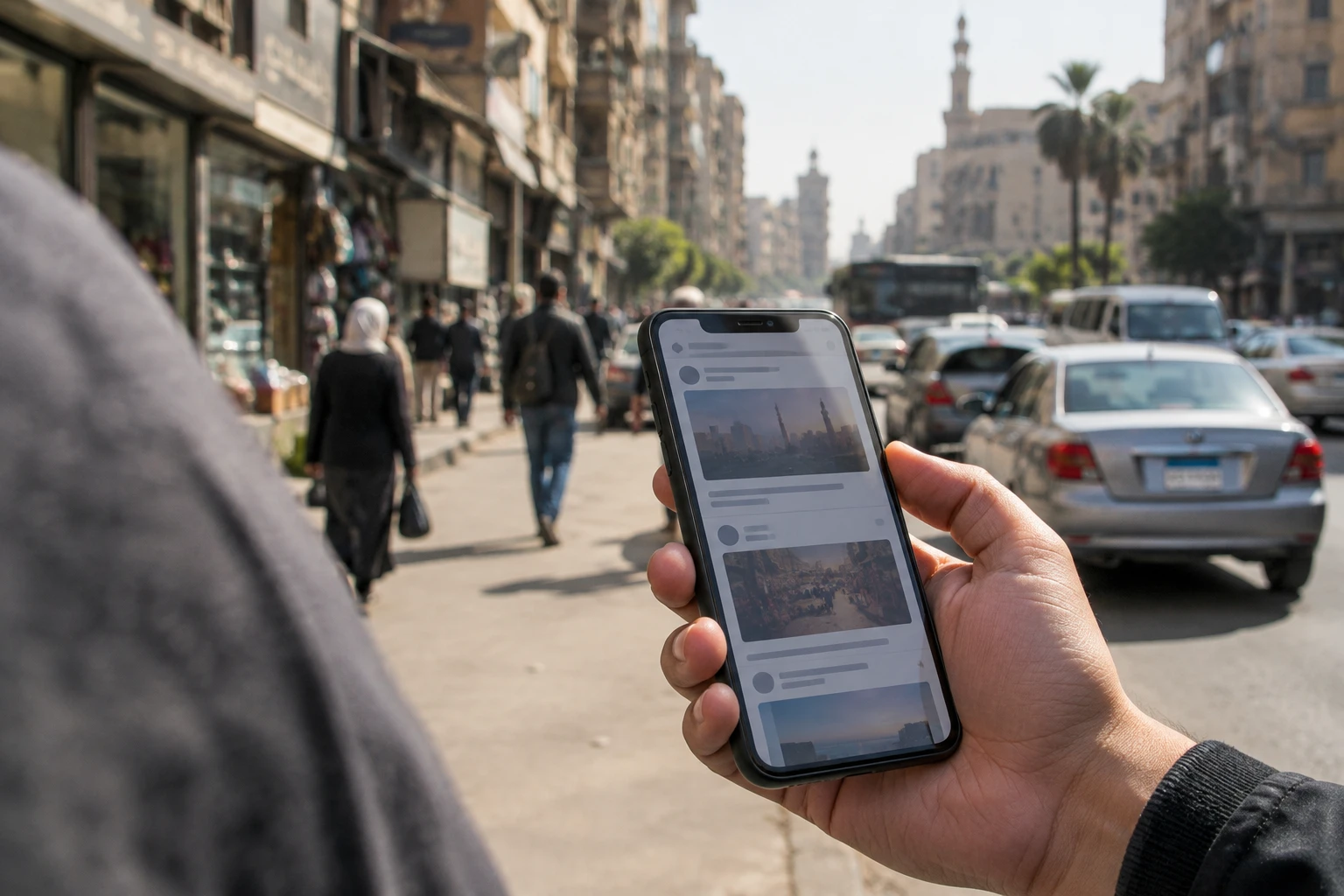
In Egypt, an administrative issue can now determine whether a media outlet survives and whether its editor remains free. The fate of Lina Attalah, editor-in-chief of Mada Masr, highlights the tangible consequences of the licensing regime for news websites.
Fast-track proceedings in Cairo
On Tuesday 27 October 2026, a misdemeanour court in New Cairo convicted Lina Attalah of running a website without a licence. It imposed a fine of three million Egyptian pounds, ordered Mada Masr’s closure and the confiscation of its equipment, according to the outlet and several rights groups. Security forces then detained the journalist pending payment of the fine, the independent outlet Al Manassa reported.
The amount is higher than the figure cited in initial reports published after the hearing. Mada Masr, Al Manassa and Amnesty International report a penalty of three million Egyptian pounds, or about $54,000 according to published conversions. The ruling came after a single hearing. Defence lawyers protested, according to accounts from people present and Mada Masr.
The conviction concerns the running of a website without authorisation, not a specific article. But the case is part of a series of proceedings targeting the newsroom. The distinction matters: the immediate issue is the outlet’s legal status, while press freedom advocates are concerned about the case’s impact on journalistic work.
Licence at the heart of the dispute
Mada Masr says it has submitted several licence applications since 2018. The outlet says the Supreme Council for Media Regulation did not respond to some applications and that it learned from prosecutors that an earlier application had been rejected. It says it challenged that decision in court. A new application, submitted in 2023 according to the outlet, was still pending.
These details reflect Mada Masr’s position; the outcome of the administrative and judicial appeals will need to be followed separately. Egyptian media law provides for penalties for operating a website without a licence. In this case, the maximum penalty provided for was reportedly imposed, according to Amnesty International. The closure order and confiscation of equipment could prevent the newsroom from continuing its work from within the country, even though the site has already been inaccessible in Egypt since 2017.
Choosing to pursue the case over the lack of a licence thus shifts the debate towards the application of rules and administrative obligations. For the authorities, the issue falls within the legal framework governing the media. For press freedom groups, imposing such severe penalties on a critical outlet threatens pluralism. These two interpretations do not carry the same evidential weight: the court ruling establishes the conviction, while the impact on press freedom is a matter of analysis supported by the context and precedents.
Sixth case in six years
Lina Attalah and Mada Masr have been targeted in six cases in six years, according to the Association for Freedom of Thought and Expression, an Egyptian rights group, and press reports. The latest proceedings follow a new summons for the journalist by the State Security Prosecution. On 22 October, she was referred to court for running a website without a licence. She was released on bail after questioning, before Tuesday’s trial.
Tensions have risen in recent weeks with the arrest of six journalists from Matsadaash, an Egyptian fact-checking and investigative platform. Media outlets and rights groups report that the journalists were arrested on 28 and 29 September 2026. The authorities accuse them, among other things, of links to the Muslim Brotherhood and spreading false information; people close to them and journalists’ advocates dispute these accusations. Their pre-trial detention and the case against Attalah remain separate matters, but their proximity is fuelling concern in newsrooms.
The Egyptian Initiative for Personal Rights (EIPR) put the number of journalists detained in Egypt because of their work at 26, according to the figure cited in reports published around the case. The count should remain attributed to the organisation, as counting criteria and the exact date of updates may vary from one source to another.
Effects beyond one newsroom
For journalists in Cairo, the case raises an immediate question: how far can a licensing rule undermine a media outlet when its enforcement leads to closure and a heavy fine? For teams based in other regions, the same procedures can encourage self-censorship, especially when legal and financial resources are more limited. For readers, closing a website reduces access to an independent local news source, even as the site’s blocking already makes it harder to access from within Egypt.
The situation also weighs on the economics of the media. A fine of this size, the possible seizure of equipment and uncertainty over the licence threaten jobs and the continuation of investigations. The impact therefore extends beyond the outlet’s management: it concerns journalists, contributors, their sources and the readers who rely on their reporting.
For the Egyptian authorities, the issue is also institutional: enforcing media regulations while responding to criticism over prosecutions targeting the press. In the reports consulted, the government has not publicly detailed the reasons for the decision beyond the licensing offence reported by the media. It is therefore important to distinguish the stated legal grounds from the political interpretations put forward by rights groups.
A regional signal to watch
Egypt is a member of the African Union and the Arab League, but does not belong to a regional economic community comparable to ECOWAS or SADC. Its political and media influence in North Africa nevertheless gives the case significance beyond its borders: it raises questions about the protections afforded to journalists and the place of independent media in the region.
What happens next will depend in particular on the avenues of appeal, enforcement of the closure order and whether Lina Attalah remains in detention. The fate of the Matsadaash journalists and the authorities’ response to Mada Masr’s licence applications will also need to be followed. These decisions will show whether the proceedings remain confined to an administrative dispute or durably reshape the space available to independent journalism in Egypt.