Algeria
 Egypt
 Libya
 Morocco
 Sudan
 Tunisia
 Benin
 Burkina Faso
 Cabo Verde
 Ghana
 Guinea
 Guinea-Bissau
 Liberia
 Mali
 Mauritania
 Niger
 Nigeria
 Senegal
 Sierra Leone
 The Gambia
 Togo
 Cameroon
 Central African Republic
 Chad
 DR Congo
 Equatorial Guinea
 Gabon
 Republic of the Congo
 São Tomé and Príncipe
 Burundi
 Comoros
 Djibouti
 Eritrea
 Ethiopia
 Kenya
 Madagascar
 Malawi
 Mauritius
 Mozambique
 Rwanda
 Seychelles
 Somalia
 South Sudan
 Tanzania
 Uganda
 Angola
 Botswana
 Eswatini
 Lesotho
 Namibia
 South Africa
 Zambia
 Zimbabwe
Taking control of a mining project is not enough to turn it into a mine. For Afema, in south-eastern Côte d’Ivoire, the challenge is now to convert a substantial gold resource into an investment decision, while determining the state’s role and the financing arrangements.
The project is near the Ghanaian border, in a region where mining activity could change prospects for jobs, infrastructure and public revenue. But production announcements remain projections: they still depend on technical studies, capital raised and the necessary permits.
Ownership consolidated ahead of financing
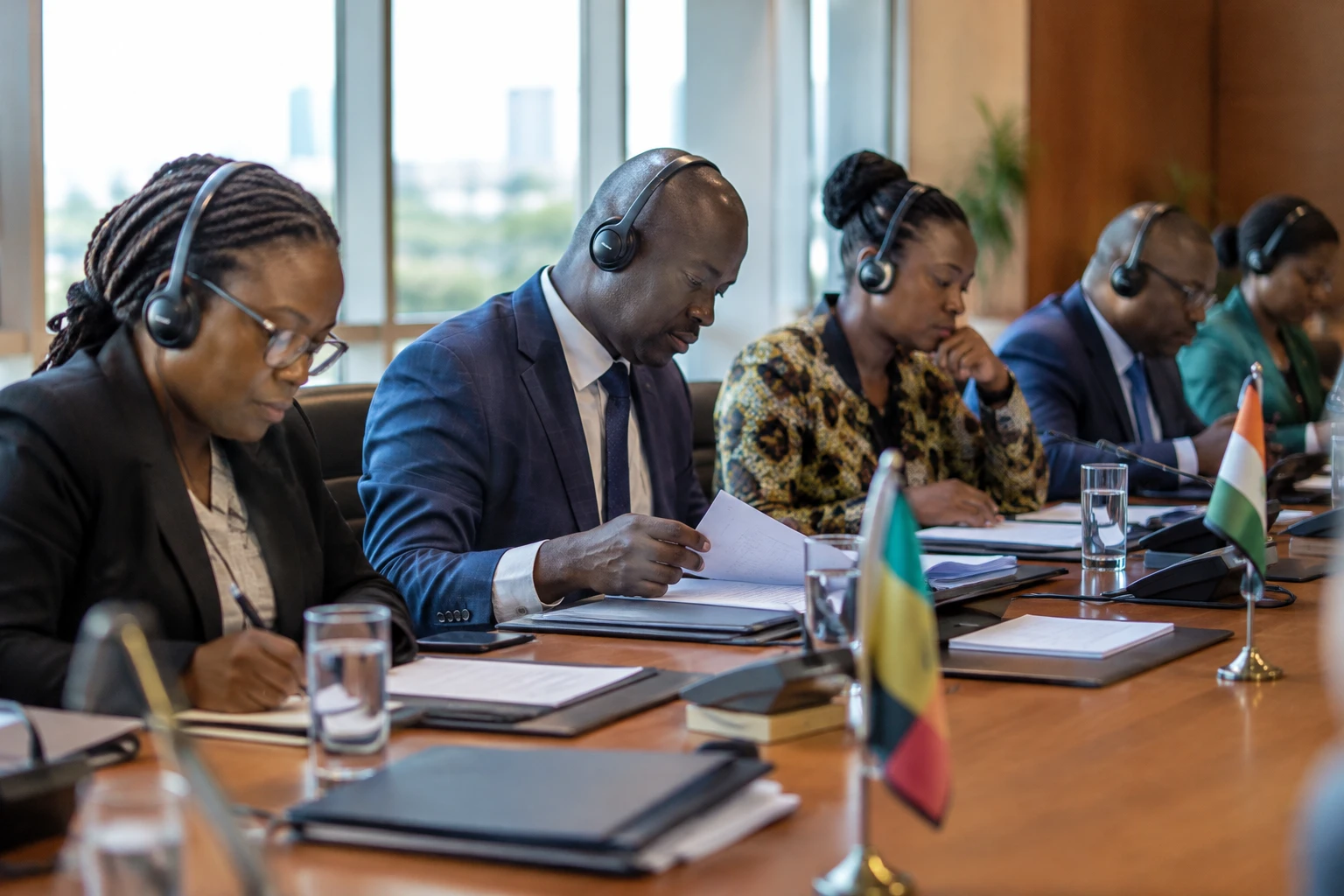
On 27 October 2026, Australian company Turaco Gold announced an agreement to acquire the 20% of Afema still held by its partner Sodim. Valued at about US$79 million, the deal would make Turaco the project’s sole private shareholder, subject to the participation of the Ivorian state.
The announced payment combines several elements: US$30 million in cash, shares and options granted to Sodim, as well as amounts linked to earlier agreements and a possible royalty on future production. Part of the consideration also depends on how the resource develops. The agreement remains subject to approval by Turaco shareholders.
Concentrating ownership could simplify decisions and discussions with future lenders. It does not, however, guarantee construction financing or the start of operations. Turaco still has to advance its definitive feasibility study and raise the funds required.
The technical figures published by the company put Afema’s mineral resources at 4.65 million ounces, or about 145 tonnes of gold. An estimated resource is not equivalent to an amount that will necessarily be extracted: only part of it is converted into mineable reserves after studies. The pre-feasibility study published in June 2026 identifies a probable reserve of 1.91 million ounces and envisages average production of nearly 200,000 ounces a year for about 10.3 years.
The state’s share at the heart of the project’s balance
Public participation is a separate issue from the buyout between Turaco and Sodim. Côte d’Ivoire’s mining framework provides the state with a free 10% stake in the operating company. This participation, known as non-contributory, means the state is not required to finance its share of development investment under the applicable rules.
The Mining Code also provides for the possibility of an additional, negotiated and funded stake. The Société pour le développement minier de la Côte d’Ivoire, or SODEMI, may also participate in the sector. The announced agreement therefore does not resolve the question of the final level of public participation, or the terms governing it.
For the authorities, the challenge is to secure revenue and lasting benefits from a private project without undermining its ability to obtain financing. For Turaco and its investors, clarity on ownership and the state’s obligations is important when assessing costs and risks. For communities in the Afema area, concrete effects will depend in particular on locally accessible jobs, procurement from Ivorian businesses, land compensation and the management of water and land.
Projections remain conditional
The 2026 pre-feasibility study estimates the proposed initial investment at about US$410 million. Turaco is targeting completion of a definitive study around mid-2027, ahead of a possible final investment decision. The company has indicated that first production could begin in 2029, but this timeline remains conditional on completion of the studies, permits and the mobilisation of financing.
The mining permit, according to information available on the project, runs until 2033. The announced production could make Afema a major project in Côte d’Ivoire’s gold portfolio, but the profitability and production-rate indicators remain those of a pre-feasibility study and may change as work progresses and economic conditions evolve.
The question of how benefits are distributed therefore extends beyond the shareholders. Public revenue, jobs and subcontracting opportunities do not automatically benefit neighbouring populations. Their impact will depend on the obligations in place, how they are monitored and transparency over payments. Reports by the Extractive Industries Transparency Initiative in Côte d’Ivoire detail the state participation regime and public interests in the sector.
An Ivorian project in an active gold region
Afema is part of the growing importance of gold in Côte d’Ivoire’s economy. The government has presented the mining sector as a driver of diversification, as several industrial projects have boosted national production. This trajectory does not mean that benefits are distributed equally: state revenue, business needs and residents’ expectations are not the same.
At the West African level, Côte d’Ivoire, a member of ECOWAS — the region’s economic and political cooperation organisation — operates in a space where gold plays an important role, with mining regimes and approaches to public participation varying from country to country. For the Ivorian authorities, Afema will also be a test of how major projects can bring together private capital, public oversight and local benefits.
The next steps to watch are approval by Turaco shareholders, the financing arrangements, and then the conclusions of the definitive study expected in 2027. Only after these milestones will construction and production projections be assessed with greater certainty.
For project data, see the Afema pre-feasibility study published by Turaco Gold and its mineral resource estimate. The framework for public participation is documented in the EITI Côte d’Ivoire report.