
 Algeria
 Libya
 Morocco
 Sudan
 Tunisia
 Benin
 Burkina Faso
 Cabo Verde
 Côte d'Ivoire
 Ghana
 Guinea
 Guinea-Bissau
 Liberia
 Mali
 Mauritania
 Niger
 Nigeria
 Senegal
 Sierra Leone
 The Gambia
 Togo
 Cameroon
 Central African Republic
 Chad
 DR Congo
 Equatorial Guinea
 Gabon
 Republic of the Congo
 São Tomé and Príncipe
 Burundi
 Comoros
 Djibouti
 Eritrea
 Ethiopia
 Kenya
 Madagascar
 Malawi
 Mauritius
 Mozambique
 Rwanda
 Seychelles
 Somalia
 South Sudan
 Tanzania
 Uganda
 Angola
 Botswana
 Eswatini
 Lesotho
 Namibia
 South Africa
 Zambia
 Zimbabwe
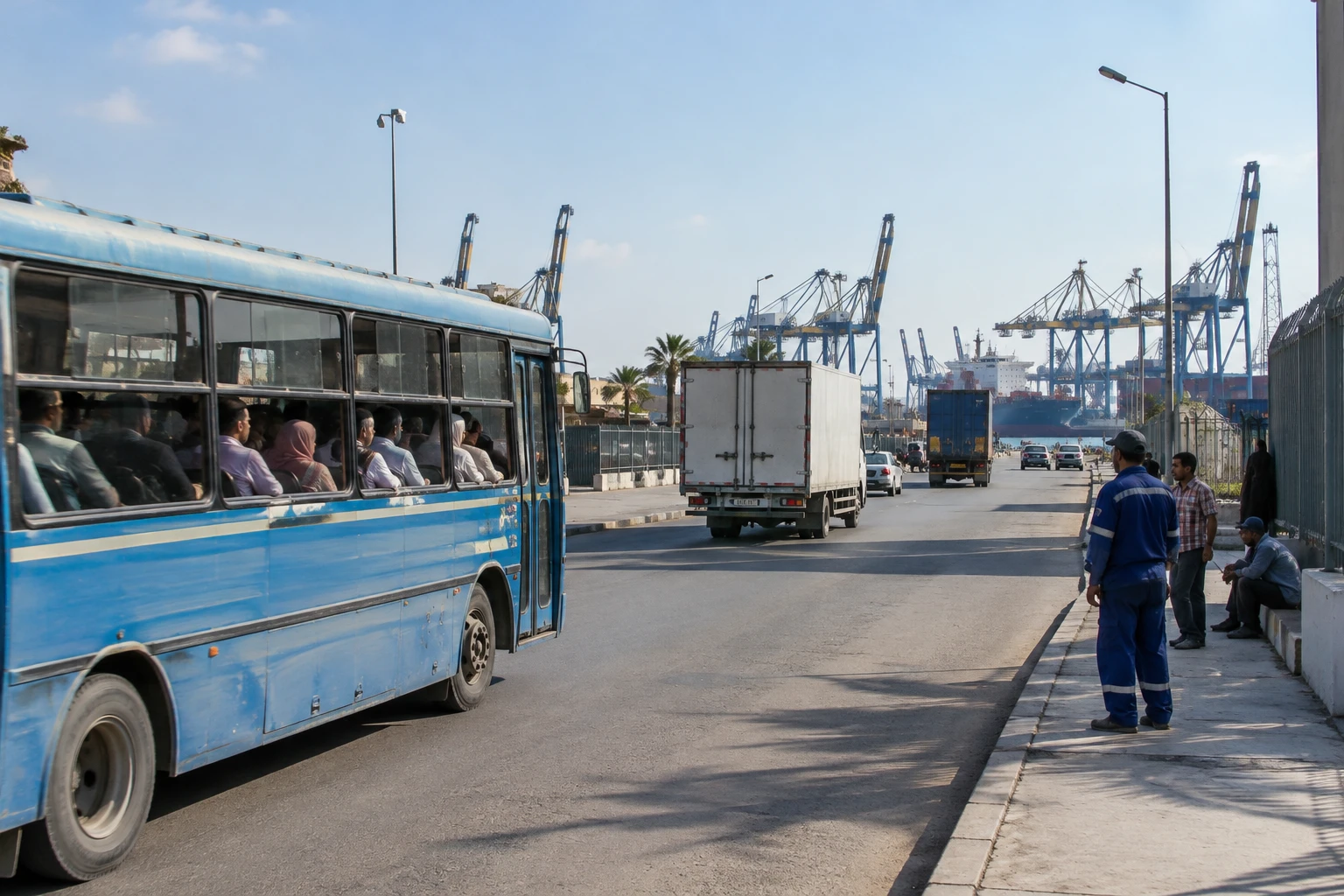
For Egypt, Saudi Arabia’s security also hinges on a maritime route leading to the Suez Canal. Parliament’s vote gives President Abdel Fattah al-Sisi the option of providing military assistance to Riyadh. It does not, however, confirm either the deployment of troops or the precise form that assistance would take.
Parliamentary mandate, but no deployment announced yet
On 26 October 2026, Egypt’s House of Representatives authorised the president to take the necessary measures to support Saudi Arabia. The vote, approved by the required two-thirds majority, followed several closed-door sessions and a presidential request made the previous week. Ahram Online reports that the mandate is aimed at defending the kingdom’s territory, sovereignty and holy sites. Anadolu news agency notes that the text does not specify the measures or confirm the deployment of soldiers.
The distinction matters. Parliament has granted political and institutional authorisation; it has not announced a military operation. The Egyptian president has described any potential assistance as defensive, intended to protect Saudi territory and not to take part in attacks in Yemen. The arrangements would depend in particular on co-ordination with Riyadh. At this stage, no deployment timetable or troop numbers have been made public.
In Egypt, the deployment of armed forces abroad is governed by the constitution. Article 152 provides for consultation with the National Defence Council and approval by MPs for a combat mission beyond the country’s borders. The vote therefore gives the government room to act, but the precise scope of this authorisation will remain a matter for political and diplomatic scrutiny.
The Red Sea, a direct concern for Cairo
The issue extends beyond relations between two allies. The Bab el-Mandeb Strait links the Gulf of Aden to the Red Sea, along the maritime route leading to the Suez Canal. For Egypt, disruption to this route can affect canal traffic and related revenues, as well as complicate shipping security. For Saudi Arabia, reported missile and drone attacks on its territory put air defence at the forefront.
The crisis is part of a long-running conflict in Yemen. The Houthis, an armed movement that controls Sanaa among other areas, have opposed Yemen’s internationally recognised government. In 2015, Saudi Arabia led a coalition intervening in support of that government. Egypt took part in the regional effort at the time, particularly at sea. Al Jazeera notes that the Egyptian parliamentary debate was postponed before the 26 October vote.
The resumption of hostilities and attacks on the kingdom have thus revived a difficult choice for Cairo: show solidarity with Riyadh without becoming entangled in a new war in Yemen. Egypt’s foreign minister has advocated seeking a diplomatic solution. The president, for his part, has said that the assistance under consideration would not target Yemeni territory. These statements set out a political position; on their own, they do not reveal the operational rules of any potential mission.
Strategic solidarity and debate over the risks
The relationship with Riyadh is security-based, diplomatic and economic. Saudi stability matters to Cairo because of co-operation between the two states and the presence of many Egyptian workers in the kingdom. But any military commitment also entails costs, risks to soldiers and the possibility of escalation. Debate over the duration and objectives of a mission is therefore no minor matter for the Egyptian public.
Before the vote, MPs and political figures had called for more details about the scope of any potential intervention. The postponement of the vote, followed by closed-door deliberations, reflects this sensitivity. Parliamentary approval does not dispel the questions: it places greater responsibility on the executive to explain any subsequent decision and define its objectives.
The past also calls for caution. Egypt’s participation in the 2015 coalition does not mean that a new operation would have the same scale or form. The available information confirms neither a ground deployment nor specific troop numbers. Presenting these as current facts would blur the distinction between a historical precedent and a present decision.
A regional signal to watch
For North Africa, the decision illustrates the links between maritime security, Arab diplomacy and national economic interests. The Arab Maghreb Union, a framework for co-operation between Maghreb countries, is not the body directing this issue. It is playing out instead through bilateral relations between Cairo and Riyadh, Arab exchanges and discussions on Red Sea security. At continental level, the African Union remains concerned about possible consequences for regional stability and trade routes.
The next decisive step will not simply be the vote already secured, but any decision by Egypt’s executive: what assistance, for how long, under what rules and at whose request? It will also be important to see whether Cairo maintains a clear distinction between defending Saudi territory and operations in Yemen. The answer will show whether the parliamentary mandate remains a signal of solidarity or becomes a concrete military commitment.



