Algeria
 Egypt
 Libya
 Morocco
 Sudan
 Tunisia
 Benin
 Burkina Faso
 Cabo Verde
 Côte d'Ivoire
 Ghana
 Guinea
 Guinea-Bissau
 Liberia
 Mali
 Mauritania
 Niger
 Nigeria
 Senegal
 Sierra Leone
 The Gambia
 Togo
 Cameroon
 Central African Republic
 Chad
 DR Congo
 Equatorial Guinea
 Gabon
 Republic of the Congo
 São Tomé and Príncipe
 Burundi
 Comoros
 Djibouti
 Eritrea
 Ethiopia
 Kenya
 Malawi
 Mauritius
 Mozambique
 Rwanda
 Seychelles
 Somalia
 South Sudan
 Tanzania
 Uganda
 Angola
 Botswana
 Eswatini
 Lesotho
 Namibia
 South Africa
 Zambia
 Zimbabwe
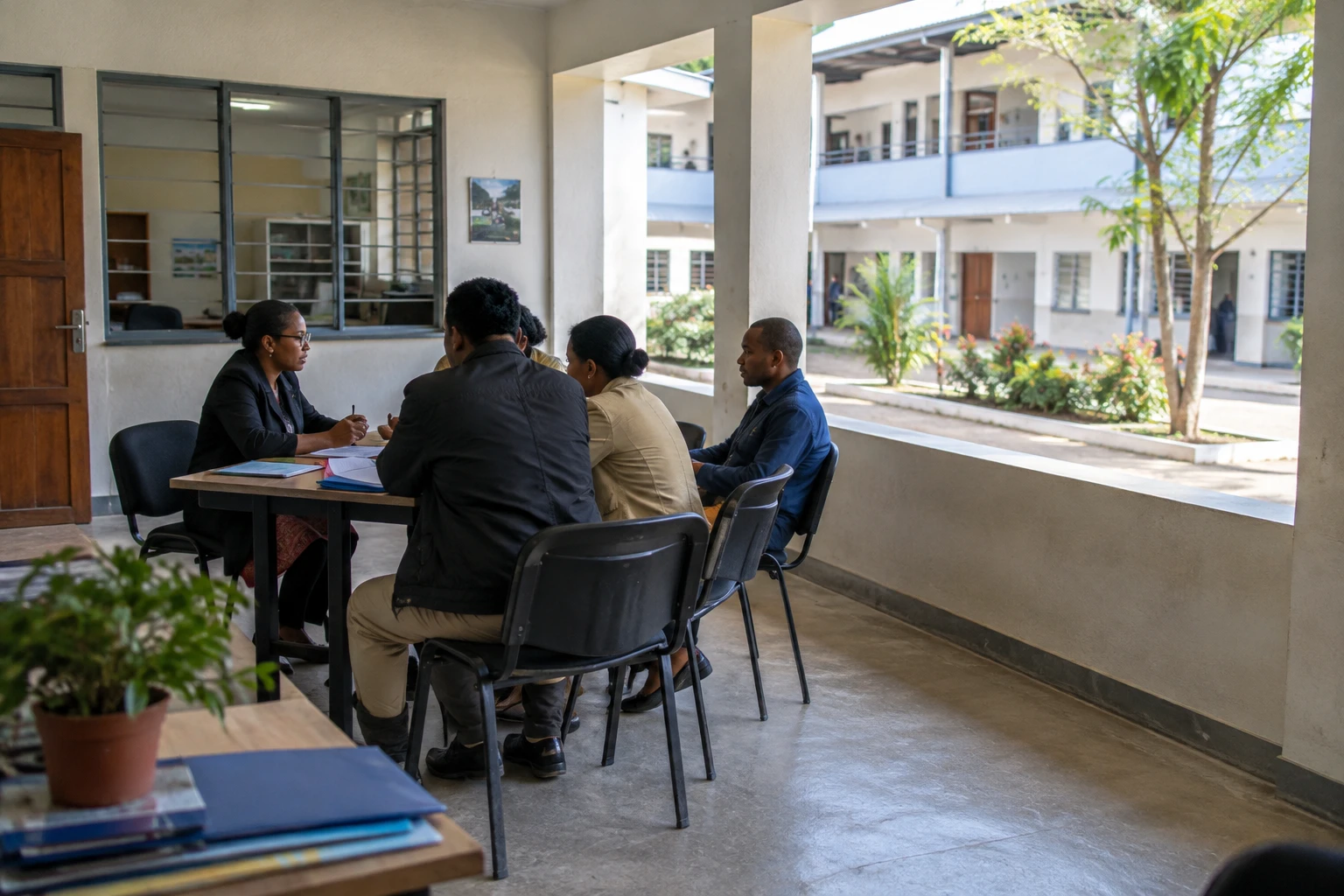
In Madagascar, the next Constitution could be put to a vote before the consultations intended to inform it have delivered their conclusions. This gap puts to the test the promise of a process of renewal built with citizens, and raises a practical question: how much weight will their proposals really carry in the final text?
A tightening timetable
From Antananarivo to the villages, the consultation is intended to convey the population’s expectations to the officials responsible for preparing reforms. The Council of Christian Churches in Madagascar (FFKM) is leading the process. It is part of the political transition that began in 2025 and the renewal programme presented to regional partners.
The Southern African Development Community (SADC), a regional organisation that supports the political processes of its member states, is monitoring the transition. Madagascar’s timetable provides for an electoral deadline between May and July 2027, in the form of a constitutional referendum or a constituent assembly election. A presidential election has been announced before the end of 2027. These dates make the conduct of the consultations decisive.
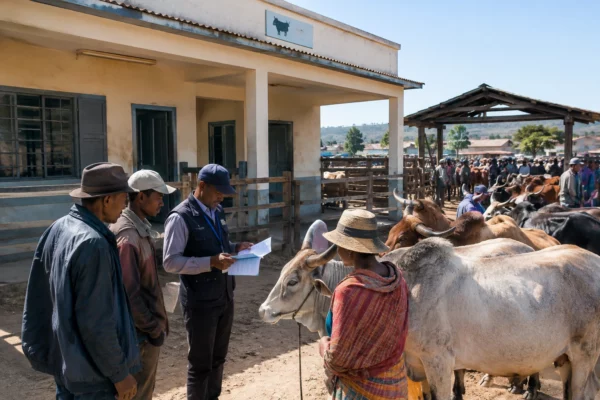
The FFKM’s plan sets out a process in several stages: gathering views in the fokontany, the smallest administrative units, then forwarding proposals to communes, districts and regions. A national synthesis is then to inform work on institutions and the Constitution. The process also provides for discussions on themes such as sustainable development, Malagasy values, justice and the rule of law.
Preparations advance, but launch remains uncertain
However, local consultations have not begun at the announced pace. The FFKM says it is completing the training of those who will facilitate discussions and record proposals. Yet the timetable published by the organisation envisaged successive stages beginning in September and October 2026. As of 26 October, no firm date had been confirmed for a nationwide launch.
Information published in Madagascar shows that preparations are still under way. In early October, the Malagasy media outlet Newsmada reported that pilot training sessions were planned in six districts before a wider rollout. The FFKM referred in particular to the recruitment and training of facilitators, meeting secretaries and equipment coordinators. This is therefore a set-up phase, not consultations already completed in the communes.
The figures cited vary depending on the information available. The initial plan refers to 15,600 facilitators and around 19,500 fokontany. However, a report published by Newsmada in early October mentions 19,400 fokontany and logistical needs that are still being addressed. These figures describe the planned scale of the undertaking; on their own, they do not show how many consultations have actually taken place.
The FFKM presents the meetings as a forum for dialogue and reconciliation. Under the announced plan, sessions are to begin with a Christian service. In a country with diverse religious affiliations and traditions, the place given to this opening and the arrangements for ensuring that all sections of the population can take part will be important in assessing how inclusive the process is.
Trust will depend on the rules of the game
The delay is not the only cause for concern. The National Committee for Election Observation and Civic Education, KMF-CNOE, says that the stages of the process and the way contributions will be taken into account remain unclear to part of the population. In a statement reported on 24 October by L’Express de Madagascar, the organisation questioned, among other things, how participants are selected, how much weight is given to views gathered at grassroots level and what happens to the proposals.
These questions go to the heart of the process. Collecting grievances does not guarantee that they will influence the draft Constitution. It will be necessary to know who will produce the synthesis, the criteria by which proposals will be accepted or rejected, and how citizens will be able to follow this process. The transitional authorities have not yet specified who will draft the Constitution or Constitutions.
The effects of a tight timetable will not be the same for everyone. In urban centres, civic organisations and the media can more easily follow announcements and challenge officials. In rural areas, access to meetings, information and collection tools may weigh more heavily on participation. Those working in the informal economy, who are often less represented in institutional settings, will also need accessible ways to make their concerns heard.
The question is also institutional: a process organised by the FFKM must retain a measure of trust and autonomy, while its conclusions must be aligned with the state’s timetable and decisions. The longer the rules remain unclear, the harder it will be to distinguish a consultation that guides choices from one simply intended to accompany them.
A national deadline under regional scrutiny
SADC has asked Madagascar to present a roadmap and report on progress in the political process. Its extraordinary summit in December 2025 also provided for support for dialogue in the country. The consultation therefore goes beyond the constitutional debate alone: it bears on the credibility of the transition among the Malagasy people and its regional partners.
The point of tension now is the sequence of stages. If national contributions are finalised late, the time available to draft, review and explain a new text before the 2027 vote could shrink. If the deadlines are maintained, transparency about the method and publication of the results will become all the more important.
For citizens, the issue is not simply taking part in meetings. It is being able to verify that the proposals gathered make their way into decision-making, including when they concern the powers of the state, rights or the organisation of institutions. The next indicator will be the actual deployment of teams in the fokontany, accompanied by a public timetable and clear rules for reporting on contributions.