
 Algeria
 Egypt
 Libya
 Morocco
 Sudan
 Tunisia
 Benin
 Burkina Faso
 Cabo Verde
 Côte d'Ivoire
 Ghana
 Guinea
 Guinea-Bissau
 Liberia
 Mali
 Mauritania
 Niger
 Nigeria
 Senegal
 Sierra Leone
 The Gambia
 Togo
 Cameroon
 Central African Republic
 Chad
 DR Congo
 Equatorial Guinea
 Gabon
 Republic of the Congo
 São Tomé and Príncipe
 Burundi
 Comoros
 Djibouti
 Eritrea
 Ethiopia
 Kenya
 Madagascar
 Malawi
 Mauritius
 Mozambique
 Rwanda
 Seychelles
 Somalia
 South Sudan
 Tanzania
 Uganda
 Angola
 Botswana
 Eswatini
 Lesotho
 Namibia
 Zambia
 Zimbabwe
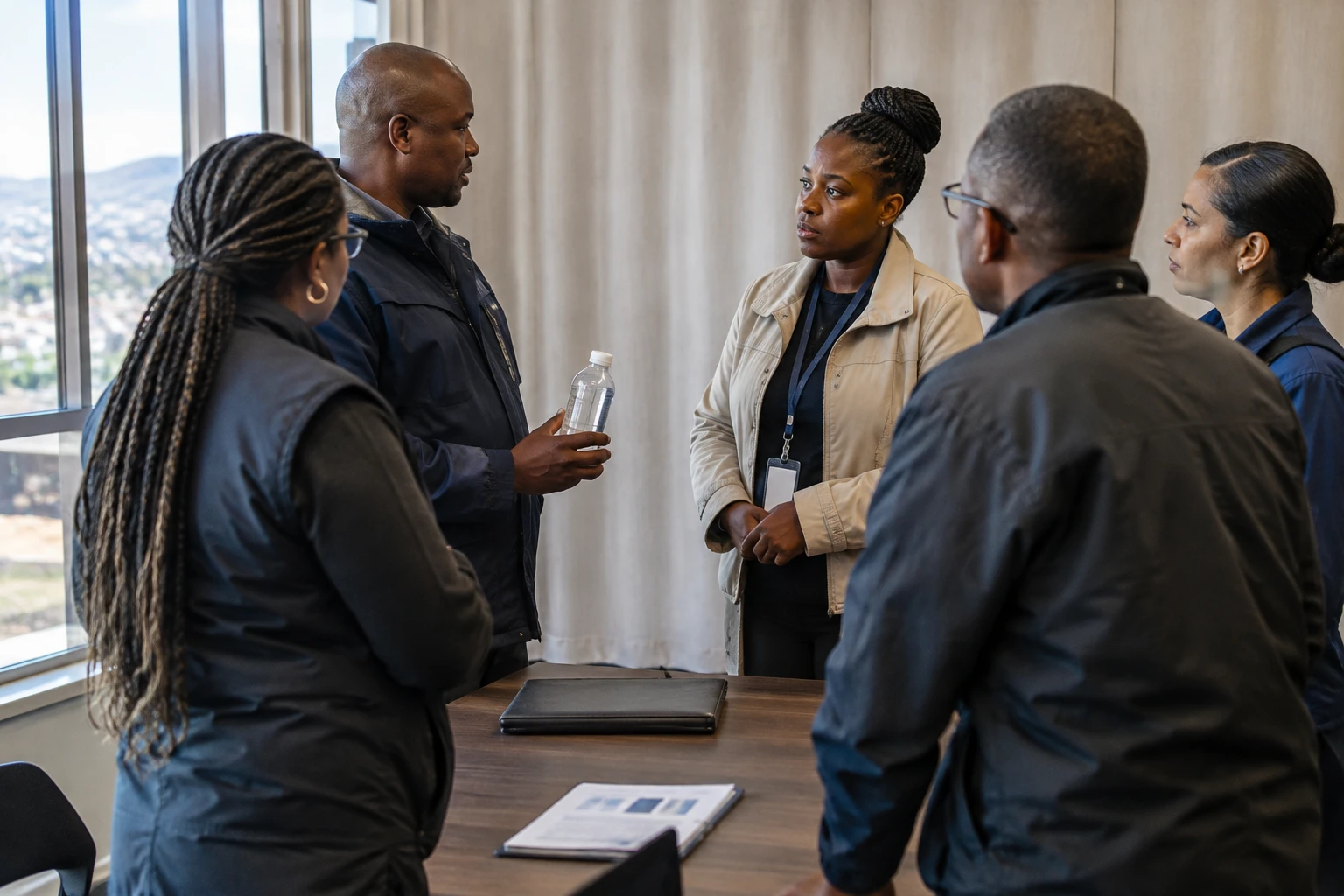
An ordinary-looking tap can become a health risk when water treatment stops and residents are not warned. In South Africa, two separate incidents have brought this issue to the fore: one in the City of Tshwane municipality, the other around Rhodes University in the Eastern Cape province.
In Tshwane, a failure of treatment and communication
Between 7 and 18 October 2026, health services recorded 408 cases of gastrointestinal illness in several communities in the Bronkhorstspruit area, east of Pretoria. The affected localities include Zithobeni, Dark City, Rethabiseng and Sokhulumi. Most of those affected were young children. As of 19 October, the authorities had reported no deaths.
An investigation by South Africa’s Department of Water and Sanitation found that the Bronkhorstspruit treatment plant had distributed unchlorinated water from 24 September to 14 October. The City of Tshwane cited difficulties in securing chlorine supplies. Stool tests from patients identified several pathogens, including norovirus, Campylobacter and Shigella in three of the four samples examined. Cholera was not detected in these samples.
Water tests carried out on 14 October also revealed very high levels of E. coli and coliforms in water from the plant and in reservoirs supplying the affected neighbourhoods. The Bronkhorstspruit River, from which the plant draws its raw water, is affected by sewage discharges from failing treatment facilities upstream. The authorities therefore consider the shared water supply the probable cause of the cases, while continuing their checks.
The failure was not limited to a lack of disinfection. The investigation also concluded that residents had not been warned of the risk. Tshwane executive mayor Nasiphi Moya acknowledged negligence and said internal measures were under way. The municipality closed the plant on 14 October, restored the chlorine supply the following day, then resumed distribution on 16 October, while prohibiting the water from being consumed.
The official instruction is particularly strict: tap water must not be used for drinking, cooking, washing, brushing teeth or washing food, even after boiling. It is reserved for flushing toilets. Water tankers are supplying drinking water, and their number is expected to reach 36. The Water Research Commission is conducting independent tests and is due to submit its report by 28 October at the latest.
In Makhanda, a lead still to be confirmed
A second incident has been reported in Makhanda, in the Eastern Cape, where Rhodes University is located. At least 111 students and staff members have experienced gastrointestinal symptoms, including diarrhoea, vomiting and abdominal pain. Some were referred to Settlers Hospital; less serious cases received rehydration care.
Preliminary results from the university’s microbiology laboratory reportedly found coliforms, E. coli and a low level of chlorine. But a link between these measurements and the illnesses has not been established. Provincial health authorities, the municipality and the university are continuing to collect samples and investigate. It would therefore be premature to describe this incident as confirmed water contamination. At this stage, no link has been established between Makhanda and the cases in Tshwane.
A public health issue and municipal accountability
These events highlight two essential parts of public services: reliable facilities and the prompt communication of warnings. Chlorination helps reduce microbiological risks. But when water is already exposed to pollution linked to sewage, prevention also depends on monitoring rivers, maintaining treatment plants and being able to suspend distribution quickly.
The consequences are not the same for everyone. Young children are particularly vulnerable to complications from diarrhoea and dehydration. For families, the ban on using tap water even for washing means changing everyday routines. Residents who can buy bottled water have an immediate alternative; others depend on municipal deliveries and their regularity. Schools, shops and small local businesses must also adapt.
Water, however, is an issue that extends beyond these two affected areas. The South African government has made the rehabilitation of networks and the quality of municipal services national priorities. In March 2026, it announced the creation of a water crisis committee tasked with coordinating interventions. This provides a policy framework, but the Tshwane incident shows that plans and investment are not enough if treatment chemicals run short, equipment fails or warnings do not reach residents.
What southern Africa can observe
South Africa is a member of the Southern African Development Community (SADC), a regional organisation that supports, among other things, co-operation on water resources. River basins, waterways and infrastructure pressures do not stop at borders; prevention therefore also depends on sharing knowledge and managing wastewater sustainably.
In the short term, three things will indicate how the response is progressing: publication of the independent investigation expected on 28 October, the results of ongoing tests and the date on which water from Bronkhorstspruit can once again be declared safe to drink. In Makhanda, tests will need to determine whether the signs detected in the water actually explain the symptoms. For residents, the priority remains regular access to safe water and clear information. For the authorities, the challenge now is to make checks and responsibilities verifiable.



