Algeria
 Egypt
 Libya
 Morocco
 Tunisia
 Benin
 Burkina Faso
 Cabo Verde
 Côte d'Ivoire
 Ghana
 Guinea
 Guinea-Bissau
 Liberia
 Mali
 Mauritania
 Niger
 Nigeria
 Senegal
 Sierra Leone
 The Gambia
 Togo
 Cameroon
 Central African Republic
 Chad
 DR Congo
 Equatorial Guinea
 Gabon
 Republic of the Congo
 São Tomé and Príncipe
 Burundi
 Comoros
 Djibouti
 Eritrea
 Ethiopia
 Kenya
 Madagascar
 Malawi
 Mauritius
 Mozambique
 Rwanda
 Seychelles
 Somalia
 South Sudan
 Tanzania
 Uganda
 Angola
 Botswana
 Eswatini
 Lesotho
 Namibia
 South Africa
 Zambia
 Zimbabwe
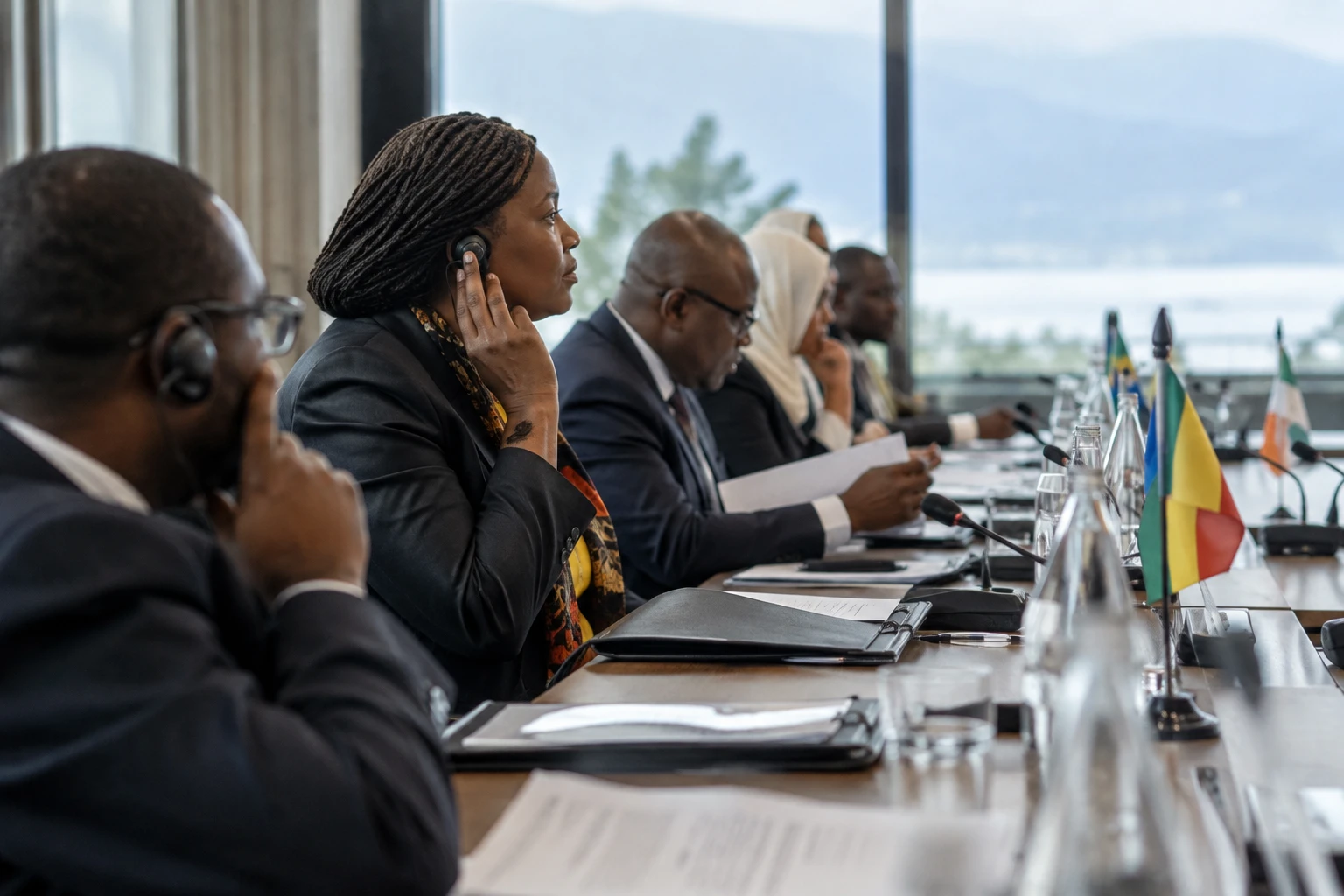
Can a diplomatic meeting influence a war when the two forces waging it stay away? In Geneva, the immediate challenge is to turn scattered initiatives into coherent efforts, while the fighting continues to threaten Sudanese civilians.
Coordination without the warring parties
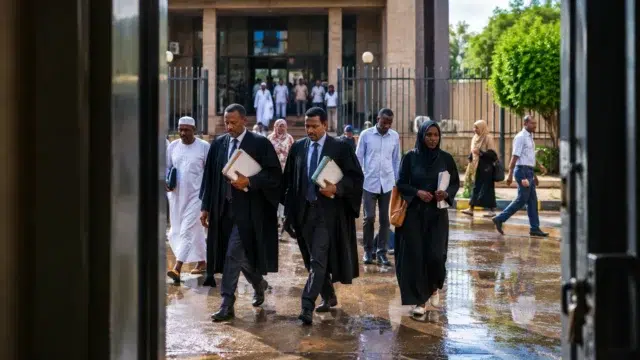
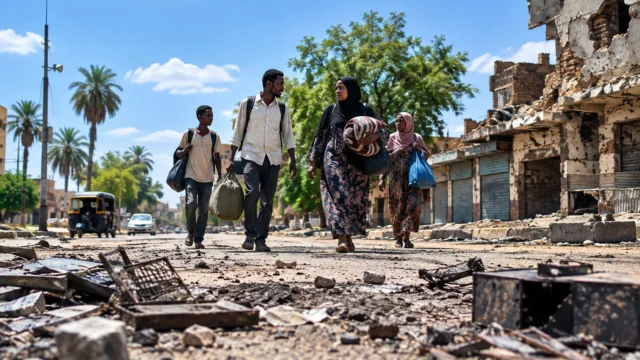
Sudan has been gripped since April 2023 by a war between the Sudanese army and the Rapid Support Forces (RSF), a paramilitary group. The conflict has fragmented power, disrupted public services and forced millions of people to flee. Khartoum, the capital, was at the heart of the fighting before the army regained control of it in 2025. Clashes have nevertheless continued in other regions, notably Darfur and Kordofan.
The crisis is also spilling across borders. Abyei, a region disputed between Sudan and South Sudan, remains a sensitive territory where local issues are intertwined with tensions between the two states. IGAD, the East African regional organisation, and the African Union have a potential role in mediation efforts, but the proliferation of international initiatives makes coordination more difficult.
On 21 October 2026, the UN and Switzerland convened the sixth consultative meeting on coordinating peace efforts in Geneva. Twenty-seven delegations were expected. The meeting was co-chaired by Pekka Haavisto, the UN Secretary-General’s Personal Envoy for Sudan, and Alexandre Fasel, Switzerland’s State Secretary for Foreign Affairs. The co-chairs’ summary of the Geneva meeting describes its aim as bringing diplomatic efforts closer together, rather than holding direct negotiations between the warring forces.
Neither the army nor the RSF took part in the meeting. Their absence limits the immediate impact of the discussions: delegations can align their positions and support avenues for de-escalation, but they cannot agree on a ceasefire on behalf of the parties and secure their commitment to abide by it.
Deadly strike in Abyei, conflicting accounts
The meeting took place amid the fallout from the 19 October drone strike on Amiet market in Abyei. The death toll reported by local authorities had reached at least 153, according to the Associated Press. An official from the Abyei administration accused the Sudanese army. A Sudanese officer confirmed that a strike had been carried out, but said it had targeted vehicles carrying fuel for the RSF. He denied that civilians had been targeted. The agency said it had been unable to independently verify these claims or the identities of the victims.
The UN Secretary-General condemned the attacks near Amiet and Todach without identifying those responsible. The United Nations Interim Security Force for Abyei (UNISFA) took part in verifying the death toll and in relief efforts. The Associated Press report on the Amiet strike gives these different accounts. At this stage, the alleged responsibility must remain attributed: the circumstances and targets have not been established by a published independent investigation.
The attack highlights the particular risks facing Abyei. The market is a commercial hub for communities on both sides of the border. A strike on this infrastructure can therefore disrupt trade, movement and supplies, beyond the immediate loss of life. The area is administered separately, and its status has not been definitively settled by Khartoum and Juba.
Drones are also extending the threat beyond front lines. The UN Human Rights Office said at least 880 civilians had been killed in drone strikes between January and April 2026, according to information gathered by its team in Sudan. This figure covers a specific period and is not a comprehensive toll of all conflict victims. The UN warning about the growing use of drones notes that these weapons are also hitting populated areas and civilian infrastructure.
Humanitarian access, a test of diplomacy
The war is affecting regions and livelihoods in different ways. In cities, fighting and destruction are impeding access to healthcare, water and markets. In rural areas, displacement, blocked roads and insecurity can prevent farmers from producing or selling their crops. Displaced families often depend on aid, but humanitarian organisations must be able to reach people without being caught up in the fighting.
Hunger, disease and a lack of clean water are worsening the consequences of the fighting. Health authorities and humanitarian organisations have also reported outbreaks, including cholera. Precise figures for the number of people facing famine conditions vary by period and the areas assessed; without sufficient independent confirmation of the figure cited in the information available, it would be imprudent to present it as an established toll.
Darfur is also at the centre of serious allegations of human rights abuses. Investigations by international organisations and NGOs have documented killings, sexual violence and forced displacement. Legal terms such as “ethnic cleansing” and “genocide” are not interchangeable: they must be attributed to the organisations that use them and reported in accordance with the findings of each investigation, rather than presented as general descriptions of the entire conflict.
What Geneva can — and cannot — change
For residents, the value of a diplomatic meeting is measured by tangible results: fewer strikes, guarantees for civilians and more regular humanitarian access. International coordination can reduce contradictions between mediators and support these priorities. It cannot, however, replace the agreement of the warring parties or Sudanese participation in defining the country’s political future.
An inclusive political transition remains a distant prospect as long as weapons determine the balance of power. Civilian actors, regional representatives and Sudanese organisations cannot be relegated to the role of witnesses to an arrangement negotiated abroad. At the same time, the African Union and IGAD will have to contend with the divergent interests of neighbouring states and international partners, as well as uncertainty surrounding Abyei’s status.
The Geneva meeting has therefore not, by itself, opened the way to a ceasefire. Its aim is more modest, but necessary: to make mediation efforts more coherent and support verifiable measures. What happens next will depend on whether these efforts lead to humanitarian access, civilian protection and, above all, commitments in which the Sudanese forces agree to take part.