Algeria
 Egypt
 Libya
 Morocco
 Sudan
 Tunisia
 Benin
 Burkina Faso
 Cabo Verde
 Ghana
 Guinea
 Guinea-Bissau
 Liberia
 Mali
 Mauritania
 Niger
 Nigeria
 Senegal
 Sierra Leone
 The Gambia
 Togo
 Cameroon
 Central African Republic
 Chad
 DR Congo
 Equatorial Guinea
 Gabon
 Republic of the Congo
 São Tomé and Príncipe
 Burundi
 Comoros
 Djibouti
 Eritrea
 Ethiopia
 Kenya
 Madagascar
 Malawi
 Mauritius
 Mozambique
 Rwanda
 Seychelles
 Somalia
 South Sudan
 Tanzania
 Uganda
 Angola
 Botswana
 Eswatini
 Lesotho
 Namibia
 South Africa
 Zambia
 Zimbabwe
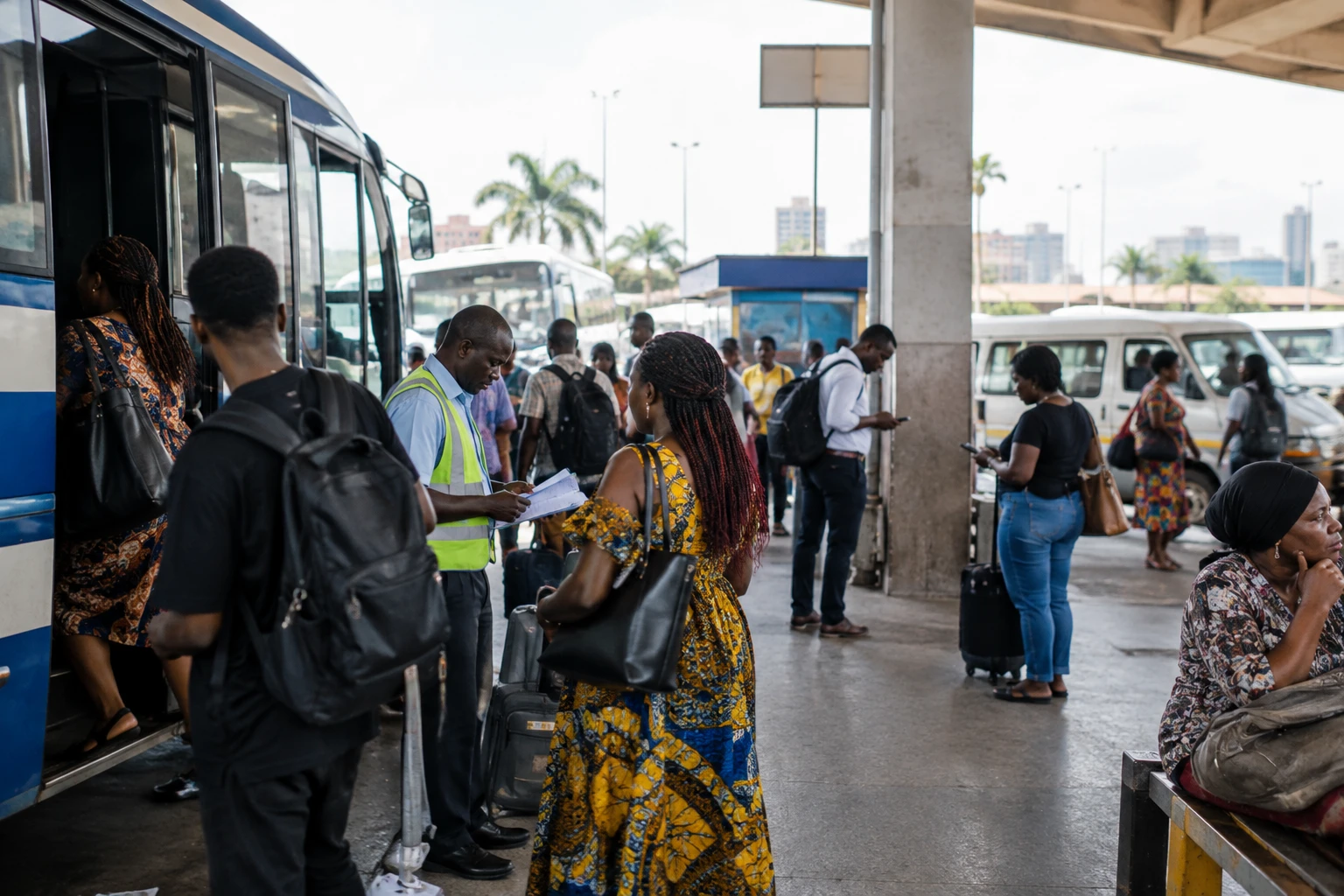
In Côte d’Ivoire, political careers have sometimes crossed opposing camps, peace negotiations and ministerial responsibilities. The death of Louis-André Dacoury-Tabley brings these complex paths back into focus, at the heart of several decades of national realignments.
A career at the crossroads of Ivorian crises
The former political leader died in Abidjan on Saturday 17 October 2026, aged 81, after a long illness. The Ivorian Press Agency, citing a family source, and several Ivorian media outlets confirmed the date and place of his death. The date of the funeral had not been announced in the information available as of 21 October.
Louis-André Dacoury-Tabley took part in the founding of the Ivorian Popular Front (FPI), established in 1983 around Laurent Gbagbo. The party contributed to the introduction of multiparty politics and for a long time was one of the main forces in Ivorian political life. Dacoury-Tabley later distanced himself from it amid disagreements within his camp.
In November 2002, two months after the armed rebellion began, he joined the Patriotic Movement of Côte d’Ivoire, or MPCI, which became one of the components of the New Forces. The rebellion then controlled part of the country’s north, while Laurent Gbagbo’s government ruled from Abidjan. This divide left a lasting mark on administration, security and the movement of people between regions.
Dacoury-Tabley took part in the negotiations that accompanied the emergence from crisis. He was notably involved in the Ouagadougou Political Agreement, signed on 4 March 2007 by the main protagonists, under the facilitation of Burkina Faso’s president, Blaise Compaoré. The text organised direct dialogue and provided for measures concerning disarmament, territorial administration and the electoral process.
From negotiations to public office
The participation of New Forces representatives in discussions and transitional institutions illustrated a central principle of the process: bringing adversaries back into a common political framework. The United Nations described the agreement at the time as a turning point for dialogue in Côte d’Ivoire. But signing a text was not enough to resolve tensions or erase the effects of division on the population and public services.
After the 2010-2011 post-election crisis, Dacoury-Tabley held government responsibilities under President Alassane Ouattara. He was notably minister for Solidarity and War Victims, then minister for Water and Forests from 2016 to 2017. He also headed the Peace and Development Contact Group, established in 2011, according to the AIP. His career thus took him from opposition to rapprochement with a former rebellion, and then to positions in the state.
His career cannot be reduced to either a change of allegiance or a single office. It reflects the shifting alliances that accompanied Ivorian crises and the compromises sought to restore a shared political order. For residents, these changes had concrete effects on access to government services, local security and the resumption of economic activity, with conditions differing between Abidjan, inland cities and areas affected by the country’s division.
Tributes, and differing views of his legacy
Initial reactions highlighted several aspects of his commitment. Guillaume Soro, a former New Forces leader, paid tribute to a fellow fighter and participant in the negotiations. Government officials, for their part, portrayed him as an advocate of multiparty politics. These tributes shed light on his place in political networks, but remain the assessments of those who made them.
His legacy is also shaped by different experiences and judgements. His time in an armed rebellion belongs to a period of intense violence and national division. His later role in peace talks and in the state forms another part of his record. Considering these stages together helps place his career in context without turning tributes into a definitive historical assessment.
In Côte d’Ivoire, where Yamoussoukro is the political capital and Abidjan the main economic centre, the memory of the crises remains linked to questions of reconciliation, representation and trust in institutions. Dacoury-Tabley lived through several of these periods, but his experience cannot represent on its own that of victims, fighters, political leaders or ordinary citizens.
A legacy extending beyond national borders
The Ouagadougou Agreement also recalls the importance of regional mediation in resolving West African crises. Burkina Faso facilitated dialogue, while ECOWAS — the Economic Community of West African States — and the African Union monitored the peace efforts. This precedent shows that national negotiations can depend on a balance between Ivorian actors and regional support, without the latter replacing decisions made within the country.
For the region, the death of a former negotiator is a reminder to preserve the memory of the mechanisms that made it possible to reopen dialogue, as well as their limitations. The immediate next steps concern tributes and funeral arrangements. In the longer term, the challenge remains to pass on a political history that recognises the plurality of experiences, without confusing institutional reconciliation with the resolution of every division people have experienced.
Biographical details and the date of death were cross-checked against the Ivorian Press Agency and Ivorian media outlets. The context of the 2007 agreement is based on United Nations documents.