Algeria
 Egypt
 Libya
 Morocco
 Sudan
 Tunisia
 Benin
 Burkina Faso
 Cabo Verde
 Côte d'Ivoire
 Ghana
 Guinea
 Guinea-Bissau
 Liberia
 Mauritania
 Niger
 Nigeria
 Senegal
 Sierra Leone
 The Gambia
 Togo
 Cameroon
 Central African Republic
 Chad
 DR Congo
 Equatorial Guinea
 Gabon
 Republic of the Congo
 São Tomé and Príncipe
 Burundi
 Comoros
 Djibouti
 Eritrea
 Ethiopia
 Kenya
 Madagascar
 Malawi
 Mauritius
 Mozambique
 Rwanda
 Seychelles
 Somalia
 South Sudan
 Tanzania
 Uganda
 Angola
 Botswana
 Eswatini
 Lesotho
 Namibia
 South Africa
 Zambia
 Zimbabwe
In a market or health centre, the line between a military operation and a risk to residents can be crossed in seconds. In Mali, attacks on civilians are now being reported on both sides of the conflict, while investigation and protection mechanisms remain under pressure.
An escalation that puts populations first at risk
Since 2012, Mali has been in an armed crisis involving jihadist groups, separatist movements and state forces. Following the coups of 2020 and 2021, the military authorities have strengthened their cooperation with Moscow. Russian fighters associated with Wagner have been replaced by Africa Corps, a force controlled by Russia’s Ministry of Defence.
The crisis is also part of a regional realignment. Mali, Burkina Faso and Niger have left the Economic Community of West African States (ECOWAS), a West African organisation for integration and cooperation, and formed the Alliance of Sahel States. This rupture complicates regional diplomatic channels as armed attacks affect several borders.
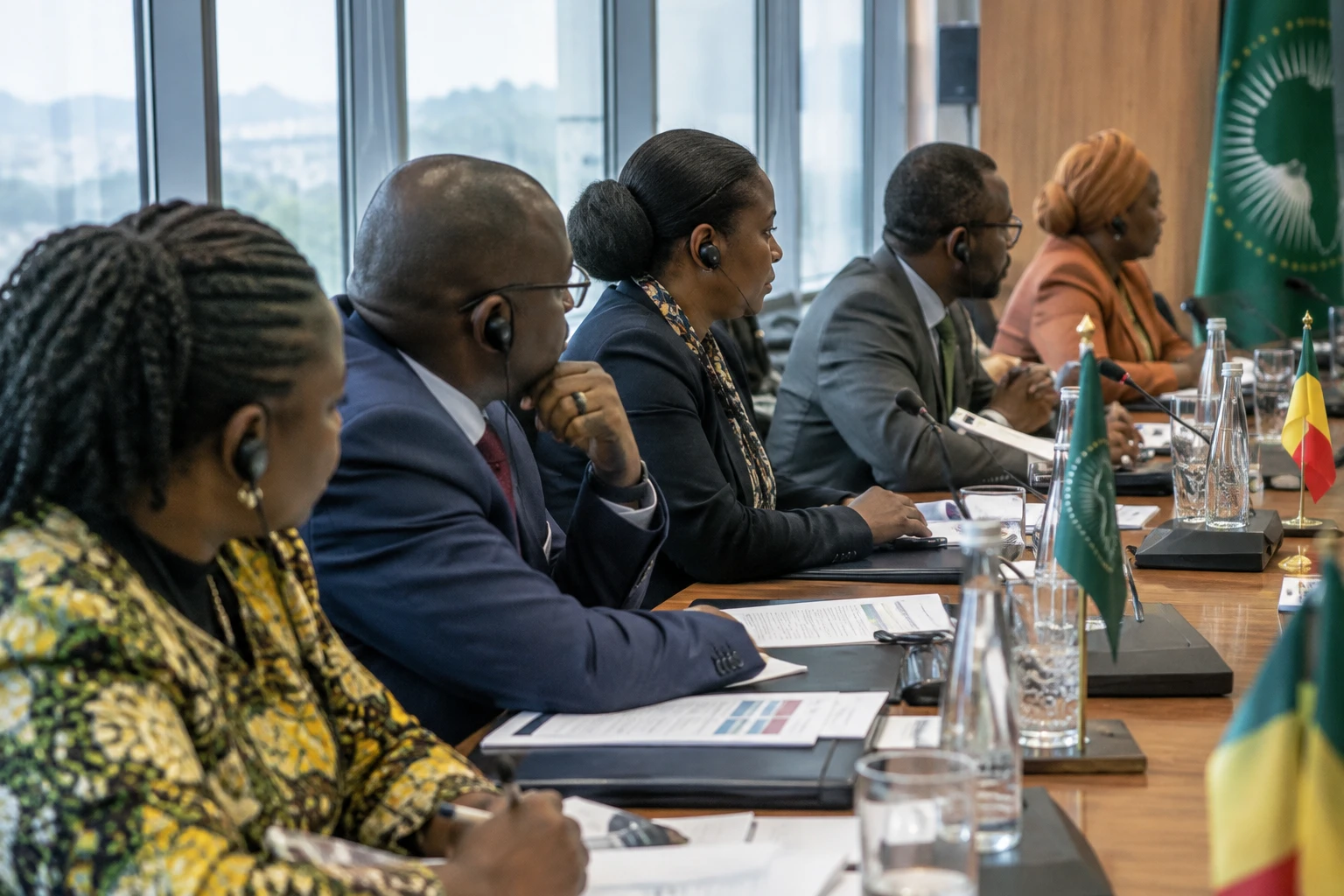
On 28 April 2026, the African Union’s Peace and Security Council met to discuss the situation in Mali and called for civilians to be protected. This continental forum is one of the few spaces where the country’s security can be discussed with its African partners. Human Rights Watch is now calling on the Council to monitor abuses by all parties and seek independent investigations.
Documented strikes and executions
In a report published on 19 October, Human Rights Watch (HRW) says it interviewed 30 people remotely between 30 July and 20 September. They included 16 witnesses to abuses, human rights defenders, community leaders, journalists and a Malian soldier. The organisation says it also examined videos, photographs and material related to drone strikes.
HRW describes two Malian air strikes that were allegedly carried out without sufficient distinction between military and civilian targets. On 29 July, a drone partially destroyed a health centre in Talahandak, in the Kidal region. On 19 August, a strike on a livestock market in Tombonkore, in the Bandiagara region, allegedly killed six civilians and injured at least 20 people. These figures are those reported by the organisation and remain attributed to its investigation.
The report also says that five girls were killed by Malian soldiers on 12 July in the Ségou region. It further attributes the deaths of three civilians in the Mopti region on 27 and 28 July to an allied dozo militia. HRW says civilians have also been killed or injured during operations and in detention, and that civilian property has been damaged.
Armed groups are also accused of abuses. On 18 July, following an ambush on a convoy in the Gao region, at least 19 Malian soldiers who had surrendered were allegedly tortured and then executed. Amnesty International examined videos showing disarmed soldiers being abused and killed. The Azawad Liberation Front (FLA) acknowledged the ambush but denied responsibility for the executions; HRW says it cannot identify with certainty those seen in the videos.
Civilian protection, a military and political issue
These events come amid a resumption of fighting. In April 2026, the Group for the Support of Islam and Muslims (JNIM) and the FLA carried out coordinated attacks. Malian forces and their allies responded with air and ground operations. In some areas, residents are thus exposed to strikes, reprisals and pressure from armed groups that control or pass through their localities.
Drones can extend the reach of operations, but they do not absolve forces of the duty to verify their targets and distinguish civilians from combatants. International humanitarian law prohibits deliberate attacks on civilians and indiscriminate strikes, meaning those that are not directed at a specific military objective. It also requires captured people to be treated humanely, whatever their affiliation.
The consequences extend beyond the immediate victims. The destruction of a health centre deprives neighbouring villages of medical care; a strike on a market also threatens the livelihoods of traders, livestock breeders and transporters. In rural areas, where services are far away, the loss of infrastructure can affect several communities for a long time.
HRW says it wrote to Mali’s defence minister on 5 August seeking information about its findings, but had received no response by the time of publication. That lack of response does not, in itself, prove the alleged events. It does, however, underline the importance of independent investigations capable of establishing responsibility and preserving evidence.
A test for Bamako and African institutions
The report calls on the African Union’s Peace and Security Council to monitor civilian protection on an ongoing basis and hold all parties to account. At its April meeting on Mali, the Council had already raised the protection of populations and respect for humanitarian law. The challenge now is to turn these commitments into concrete follow-up, without limiting the response to condemning one side alone.
For the authorities in Bamako, the conduct of military operations also affects trust between the state and the populations it says it is protecting. For armed groups, the torture and execution of prisoners undermine any claim to respect the rules of war. Regional and continental organisations, for their part, will have to balance political dialogue, access to facts and pressure for credible investigations.
The two things to watch, therefore, are the Malian authorities’ response to allegations concerning their forces and allies, and the African Union’s follow-up to its April commitments. In a conflict where the warring parties’ accounts diverge, independent verification remains essential to establish responsibility and protect civilians.
Detailed information on the strikes and abuses is presented in the Human Rights Watch report on violence in Mali. Amnesty International’s work on the soldiers killed in the Gao region provides separate corroboration of this incident.