Algeria
 Egypt
 Libya
 Morocco
 Sudan
 Tunisia
 Benin
 Burkina Faso
 Cabo Verde
 Côte d'Ivoire
 Ghana
 Guinea
 Guinea-Bissau
 Liberia
 Mali
 Mauritania
 Niger
 Nigeria
 Senegal
 Sierra Leone
 The Gambia
 Togo
 Cameroon
 Central African Republic
 Chad
 DR Congo
 Equatorial Guinea
 Gabon
 Republic of the Congo
 São Tomé and Príncipe
 Burundi
 Comoros
 Djibouti
 Eritrea
 Ethiopia
 Kenya
 Madagascar
 Malawi
 Mauritius
 Mozambique
 Rwanda
 Seychelles
 Somalia
 South Sudan
 Tanzania
 Angola
 Botswana
 Eswatini
 Lesotho
 Namibia
 South Africa
 Zambia
 Zimbabwe
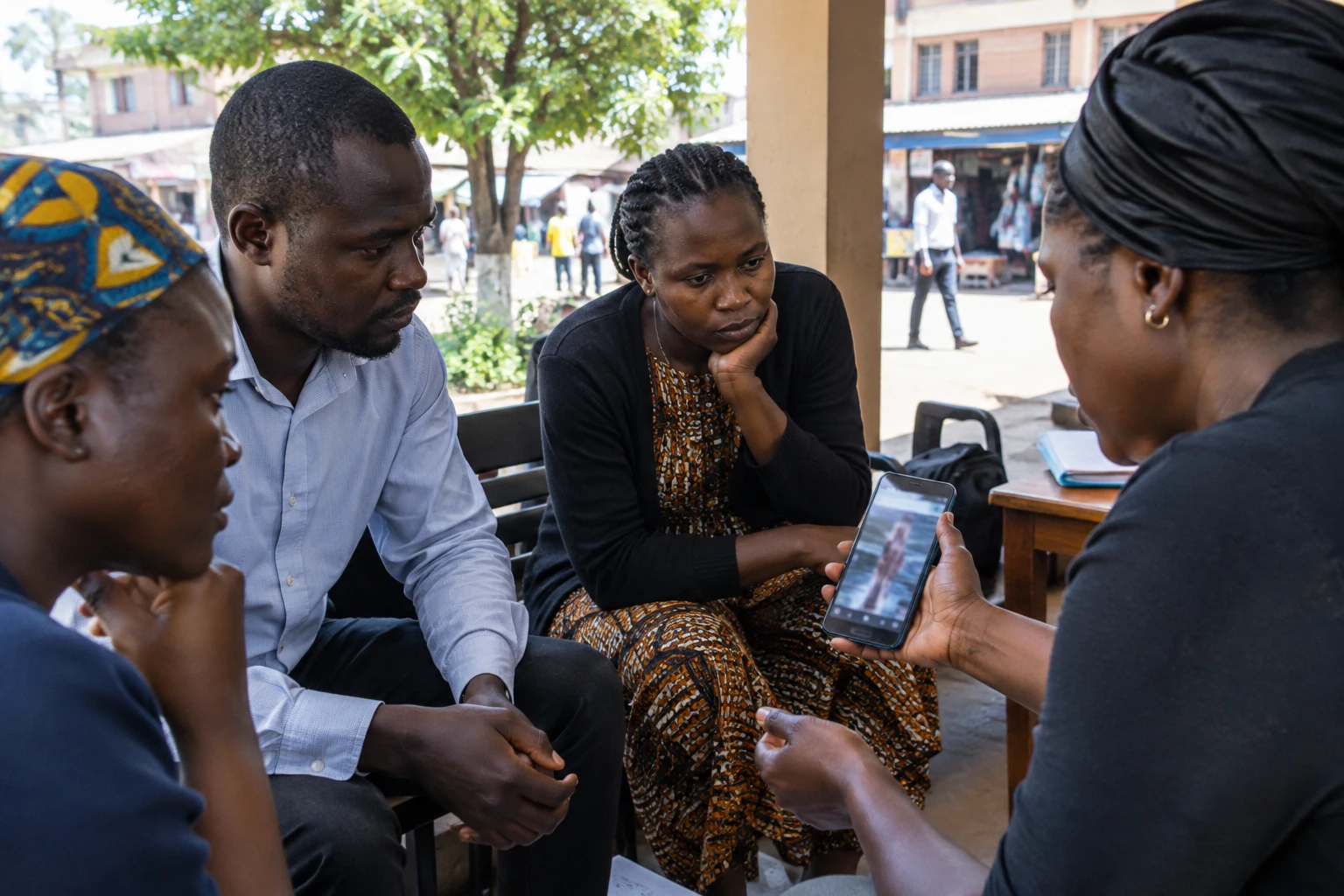
When people reported missing reappear in videos shared on social media, a question extends beyond their immediate fate: who is holding them, and under what authority? In Uganda, footage made public by an army officer has revived calls for answers over clandestine arrests and alleged ill-treatment.
Footage prompts calls for verification
Herbert Matanda Mabonga, a lieutenant who describes himself as a former military intelligence officer, says he was detained and tortured. In a video published on 30 September, he says he left the army and accuses security services of holding opposition figures at an unofficial detention site near Kampala. These allegations have not been established by an independent judicial inquiry.
Footage shared online appears to show Sam Mugumya, an opposition activist, and Muhammad Muwanga Kivumbi, a member of parliament and official of the National Unity Platform (NUP), in distress. Their presence and condition in the footage have been reported by Ugandan media, but the videos alone cannot confirm the location, the circumstances of their detention or those responsible. Ugandan newspaper Daily Monitor examines the footage and the questions it raises.
The official rebuttal is unequivocal. Army spokesman Chris Magezi called Mabonga’s allegations baseless, according to TV5MONDE. That response does not, however, establish the fate of the people shown or replace independent verification. In a case involving an alleged disappearance, establishing whether someone is being held, where they are and whether they can contact a lawyer or relatives is a first requirement.
Concerns set against a tense political backdrop
The revelations come in a country ruled since 1986 by President Yoweri Museveni, where human rights organisations have documented arbitrary arrests, alleged torture and disappearances targeting opposition figures in particular for several years. Human Rights Watch had already gathered testimony from former detainees and witnesses about unofficial detention sites. These precedents help explain current concerns, but do not in themselves prove the specific acts alleged by Mabonga.
The political climate also matters. The NUP, led by opposition figure Bobi Wine, regularly challenges the methods of the security forces. Prosecutions and detentions of opposition figures have become a recurring subject of public debate. Uganda’s Supreme Court ruled in January 2025 against the trial of civilians by military courts; parliament later passed a law restoring that possibility. Amnesty International says the use of military courts undermines fair-trial safeguards.
In Kampala, videos and statements can spread quickly on TikTok, Facebook or X, and mobilise relatives and activists. But online visibility guarantees neither the safety of those filmed nor the authenticity and context of every clip. Outside the capital, access to lawyers, the media and complaints mechanisms can be more difficult. For families, uncertainty over a relative’s whereabouts and condition is already a tangible consequence, even before responsibility has been established.
What happens next will depend on verifiable inquiries
Ugandan human rights defender Agather Atuhaire said she had submitted a case to the United Nations Working Group on Enforced or Involuntary Disappearances. Such a step can draw international attention and seek information from the authorities; it does not in itself amount to a finding on the state’s responsibility. Requests made to the authorities and the responses received will need to be made public so that families and the public can follow the case.
Ugandan organisations have also called for an inquiry. The JEEMA party, cited by national media outlet Nile Post, called for the allegations concerning Sam Mugumya to be examined. This local intervention matters: it places the call for clarification within Ugandan political debate, rather than reducing it to external pressure. For an inquiry to be credible, it should establish the identity of those filmed, where the footage was recorded, the chain of custody and any acts that may have been committed, while protecting witnesses and detainees.
Uganda is a member of the East African Community (EAC), a regional organisation bringing together several neighbouring countries for political and economic co-operation. Allegations of secret detention can therefore have repercussions beyond national borders: families, lawyers and activists sometimes seek information or protection in countries across the region. At continental level, the African Union also has human rights mechanisms, including the African Commission on Human and Peoples’ Rights. Their reach, however, depends on state co-operation and the possibility of accessing verifiable evidence.
The next steps to watch are concrete: official confirmation of where Mugumya and Kivumbi are being held, access for their lawyers and relatives, and an independent inquiry into the torture allegations. Until then, the footage warrants urgent questions but is not enough to establish all responsibilities. The government denies the allegations; witnesses and human rights organisations are calling for them to be examined. It is the transparency of the process, not merely the battle of statements, that will allow the competing accounts to be assessed.