Algeria
 Egypt
 Libya
 Morocco
 Sudan
 Tunisia
 Benin
 Cabo Verde
 Côte d'Ivoire
 Ghana
 Guinea
 Guinea-Bissau
 Liberia
 Mali
 Mauritania
 Niger
 Nigeria
 Senegal
 Sierra Leone
 The Gambia
 Togo
 Cameroon
 Central African Republic
 Chad
 DR Congo
 Equatorial Guinea
 Gabon
 Republic of the Congo
 São Tomé and Príncipe
 Burundi
 Comoros
 Djibouti
 Eritrea
 Ethiopia
 Kenya
 Madagascar
 Malawi
 Mauritius
 Mozambique
 Rwanda
 Seychelles
 Somalia
 South Sudan
 Tanzania
 Uganda
 Angola
 Botswana
 Eswatini
 Lesotho
 Namibia
 South Africa
 Zambia
 Zimbabwe
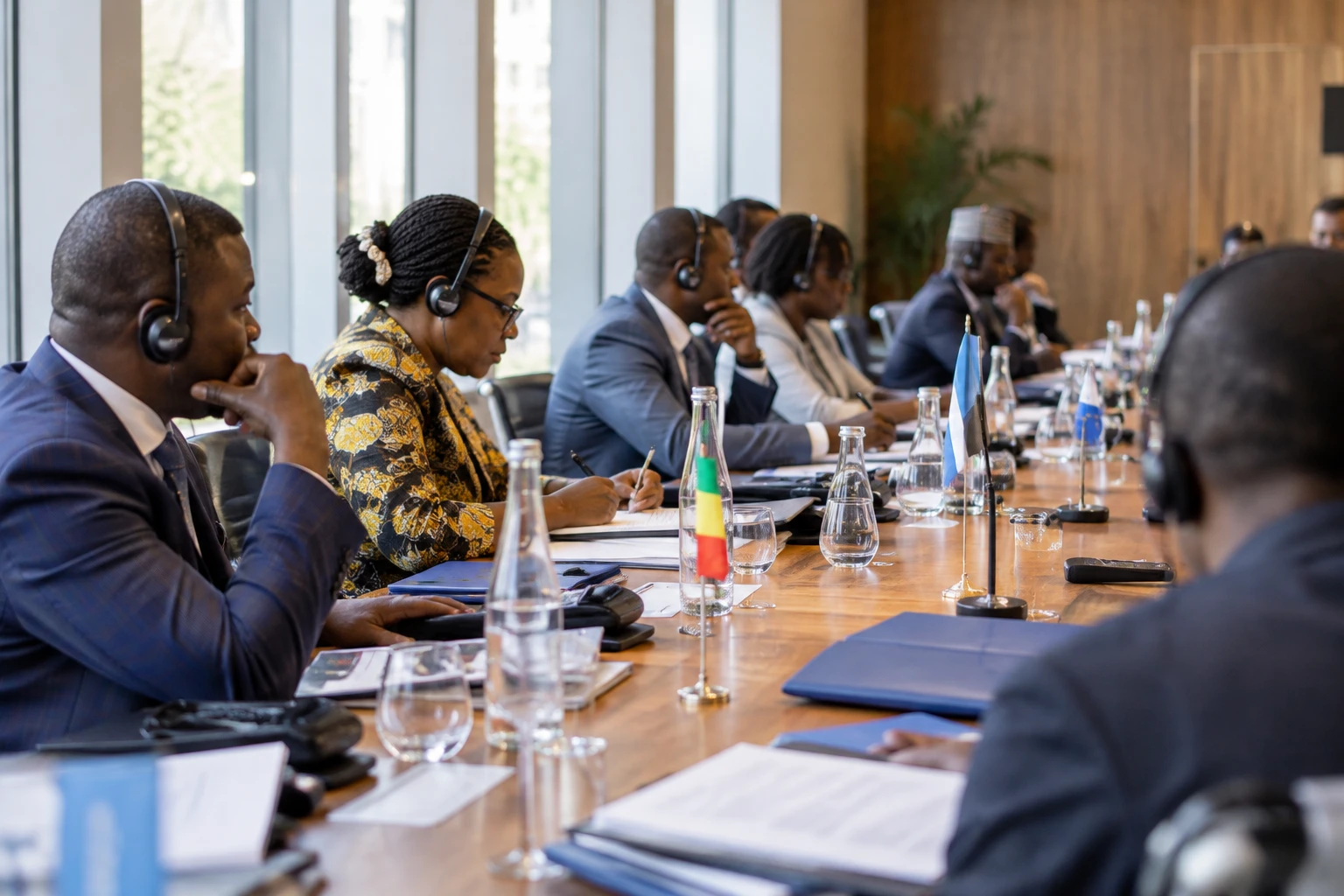
Political borders have changed, but the roads, markets and family ties have not disappeared. In Dakar, ECOWAS and the Confederation of Sahel States (AES) are opening talks to organise their relations after Mali, Burkina Faso and Niger left the West African bloc.
A separation formalised, ties remain part of daily life
The withdrawal of the three countries took effect on 29 January 2025. It was a first in the history of ECOWAS, the regional organisation founded in 1975 to promote economic integration and cooperation in West Africa. The institutional break has not, however, ended trade or travel between the countries.
ECOWAS has asked its member states to continue recognising the passports and identity cards concerned until further notice. It has also provisionally maintained visa-free movement and preferential trade treatment for goods and services from Mali, Burkina Faso and Niger. These measures are intended to prevent disruption for the public while future relations are defined.
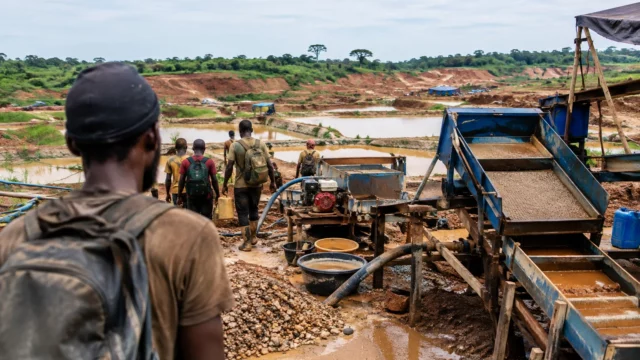
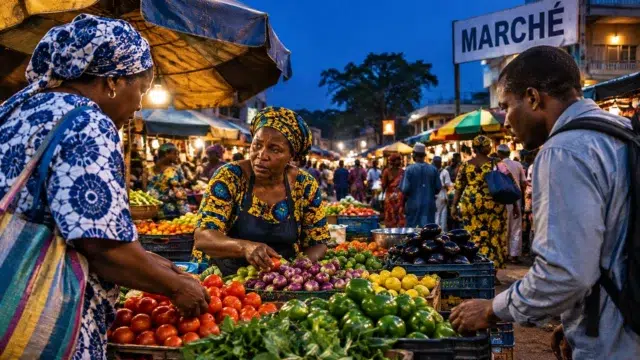
This continuity affects very practical matters: traders, transport operators, cross-border families and businesses all depend on predictable rules. The three landlocked Sahelian countries also need corridors to ports and coastal markets. Conversely, the economies of ECOWAS member states remain connected to their Sahelian neighbours through trade and the movement of people.
Dakar, a negotiating ground between two blocs
On 16 October 2026, the foreign ministers of ECOWAS member states met in Dakar to prepare a common position. Formal talks with AES representatives are due to open in the Senegalese capital on 17 and 18 October, according to the Senegalese Press Agency and the African Press Agency.
The previous day, the foreign ministers of Burkina Faso, Mali and Niger had coordinated their position in Ouagadougou. The Burkinabè government presents their approach as a negotiation on behalf of the Confederation, not as a request to rejoin ECOWAS. Sahelian officials emphasise the sovereignty of their states and the search for legal frameworks that would preserve ties beneficial to the public.
The two delegations therefore arrive with distinct priorities. ECOWAS wants to defend the gains of regional integration and prevent separate agreements from further fragmenting the regional space. The AES seeks recognition as a confederal interlocutor while preserving its freedom to make decisions. This is not yet an agreement, but the start of negotiations on future rules.
Free movement at the heart of the issues
ECOWAS Commission President Birame Diop has referred to a draft framework agreement covering 18 priority areas grouped into five clusters. According to the APS, the document addresses the movement of people and goods, trade, security and cross-border cooperation. It is intended to serve as a basis for talks, without prejudging their outcome.
For residents, the stakes go beyond institutional symbolism. A change in customs arrangements or travel documents could affect informal traders as well as established businesses. The impact would not be the same everywhere: border towns, markets and transport routes would quickly feel any new formalities, while administrations would have to apply rules that are still to be negotiated.
Security is another sensitive issue. Cooperation between neighbouring states can facilitate information-sharing and coordination in response to armed groups and criminal networks. But the talks will need to specify the mechanisms, responsibilities and safeguards, without conflating security cooperation with political alignment.
A test for West African integration
The meeting is part of a broader realignment. Mali, Burkina Faso and Niger have strengthened their cooperation within the AES, while ECOWAS is seeking to maintain a common framework with its member states. For both organisations, the challenge is to turn shared interests into practical arrangements despite persistent political disagreements.
Senegal is hosting the talks, but their outcome will have implications well beyond Dakar. Any changes to the rules on movement, trade or security will also affect the region’s coastal and landlocked countries. In April 2025, ECOWAS had already considered in Accra separation measures concerning joint programmes, market access and travel. The current talks give this work a new political dimension.
What happens next will depend on the mandate given to the negotiating teams and the ability of both sides to agree on a lasting framework. At this stage, no return to ECOWAS has been announced and no final agreement has been reached. The first expected outcome is more limited, but crucial for citizens: clarity on which rules will continue to govern their travel, trade and cooperation between states.
The stakes of the ECOWAS-AES talks, according to the APS · Positions prepared in Dakar and Ouagadougou, according to APA · The transitional measures announced by ECOWAS · ECOWAS work on the arrangements for withdrawal in Accra · Preparation of the AES delegation, according to the Burkinabè government