Algeria
 Egypt
 Libya
 Morocco
 Sudan
 Tunisia
 Benin
 Burkina Faso
 Cabo Verde
 Côte d'Ivoire
 Ghana
 Guinea
 Guinea-Bissau
 Liberia
 Mali
 Mauritania
 Niger
 Nigeria
 Senegal
 Sierra Leone
 The Gambia
 Togo
 Cameroon
 Central African Republic
 Chad
 DR Congo
 Equatorial Guinea
 Gabon
 Republic of the Congo
 São Tomé and Príncipe
 Burundi
 Comoros
 Djibouti
 Eritrea
 Ethiopia
 Kenya
 Madagascar
 Malawi
 Mauritius
 Mozambique
 Rwanda
 Seychelles
 Somalia
 South Sudan
 Tanzania
 Uganda
 Angola
 Botswana
 Eswatini
 Lesotho
 Namibia
 Zambia
 Zimbabwe
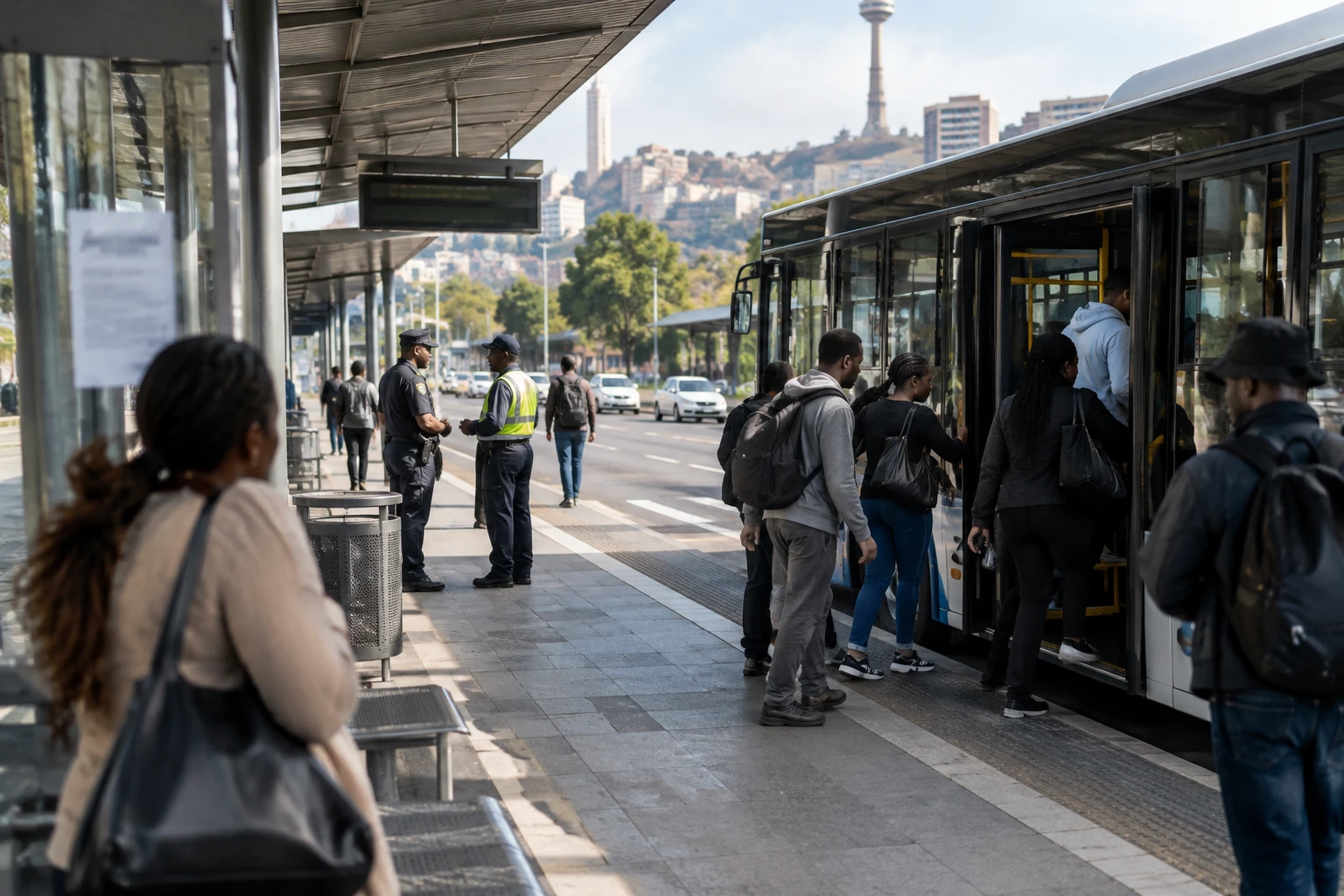
In Pretoria, Fannie Masemola’s return to the helm of the national police comes as the institutions tasked with tackling crime are themselves under scrutiny. The end of the proceedings against the commissioner removes a legal obstacle. It does not, by itself, resolve questions raised about the public contract that triggered the case.
A closed legal case, an open institutional debate
President Cyril Ramaphosa lifted Fannie Masemola’s precautionary suspension on Friday 16 October 2026. The head of South Africa’s police service is due to resume his duties on Monday 19 October, the presidency said. Lieutenant-General Puleng Dimpane, who had been acting in the role, will therefore step down.
The decision follows the withdrawal of the criminal charges. The National Director of Public Prosecutions had instructed that they be dropped on 15 September. The Pretoria court then formally withdrew the charges on 22 September, according to the South African presidency. These dates have also been reported by South African and international media.
The charges concerned alleged breaches of the Public Finance Management Act in connection with a health and wellness services contract for police officers. The contract was worth 360 million rand, or about $21 million, according to the Associated Press. This differs from the estimate of nearly $14 million cited in some initial reports. The charges did not amount to a finding of guilt, and their withdrawal ends the proceedings brought against Masemola in this case.
The lifting of the suspension does not, however, mean that all questions surrounding the contract have gone away. The contract and broader suspicions of corruption in the security institutions remain under examination by the Madlanga Commission of Inquiry. The commissioner’s legal position must therefore be distinguished from the work of the commission, which concerns a wider set of allegations.
The Madlanga Commission at the centre of expectations
Established in 2025 after allegations of political interference and criminal infiltration of the criminal justice system, the commission is chaired by retired judge Mbuyiseli Madlanga. It is examining allegations concerning the police and other institutions; not every testimony or accusation can be treated as an established fact. The presidency said the first interim report had recommended urgent criminal investigations and measures concerning certain officials.
The Masemola case illustrates the difficulty of pursuing two processes in parallel: establishing whether an offence can be prosecuted in court and examining the broader functioning of institutions. The prosecution authority concluded that there was no reasonable prospect of conviction, according to reports of its announcement. This decision closes the charges against the commissioner in this case. It is not a general conclusion about the awarding of the contract or the other testimony heard by the commission.
The commission also has political significance. The president established it, received its recommendations and extended its timetable to allow it to continue hearings. The outcome will now depend on how the authorities translate its findings into investigations, administrative decisions or reforms. The government says cooperation between services is necessary; for the public, the practical question is whether oversight mechanisms can establish responsibility without interference.
A return under scrutiny from police and public
For Masemola, reinstatement restores the authority of the national commissioner over the police service, which he has led since 2022. For officers, it ends a period of interim leadership at the top of the South African Police Service, or SAPS, the national policing institution. But returning to the post is not enough to restore trust: that also depends on transparent procurement, independent investigations and the ability to address allegations against senior officials.
The context means this return will be closely watched. The Madlanga Commission is investigating wider allegations of links between criminal networks and figures in the criminal justice system. At the same time, other officials have faced allegations or separate proceedings. These cases should not be confused with Masemola’s: the alleged facts, people involved and legal status vary. Their accumulation nevertheless fuels a national debate about protecting investigations and accountability within institutions.
The consequences extend beyond offices in Pretoria. People in both major cities and rural areas depend on police services that can respond to crimes, gather evidence and protect witnesses. Delays or suspicions of interference can undermine these duties. Conversely, an investigation conducted according to verifiable rules can help distinguish individual responsibility from that of the thousands of officers carrying out the service’s day-to-day work.
A regional stake in trust and cooperation
The case also concerns southern Africa. South Africa works with its neighbours through the Southern African Development Community (SADC), including via SARPCCO, the regional organisation that coordinates police cooperation. Its mandate includes cross-border crime and organised networks. The quality of South African institutions therefore matters for information-sharing and joint operations in the region, even though this reinstatement does not by itself change those arrangements.
Two milestones will be crucial: Masemola’s effective return to duty on 19 October and the follow-up to the Madlanga Commission’s findings. It will be important to see whether the withdrawal of the charges remains limited to his personal situation, how other aspects of the contract are examined, and what steps the authorities take to strengthen oversight of contracts. The lasting impact of this decision will be measured by those outcomes more than by the change of leadership at the top of the police service.