Algeria
 Egypt
 Libya
 Morocco
 Sudan
 Tunisia
 Benin
 Burkina Faso
 Cabo Verde
 Côte d'Ivoire
 Ghana
 Guinea
 Guinea-Bissau
 Liberia
 Mali
 Mauritania
 Niger
 Nigeria
 Senegal
 Sierra Leone
 The Gambia
 Togo
 Cameroon
 Central African Republic
 Chad
 Equatorial Guinea
 Gabon
 Republic of the Congo
 São Tomé and Príncipe
 Burundi
 Comoros
 Djibouti
 Eritrea
 Ethiopia
 Kenya
 Madagascar
 Malawi
 Mauritius
 Mozambique
 Rwanda
 Seychelles
 Somalia
 South Sudan
 Tanzania
 Uganda
 Angola
 Botswana
 Eswatini
 Lesotho
 Namibia
 South Africa
 Zambia
 Zimbabwe
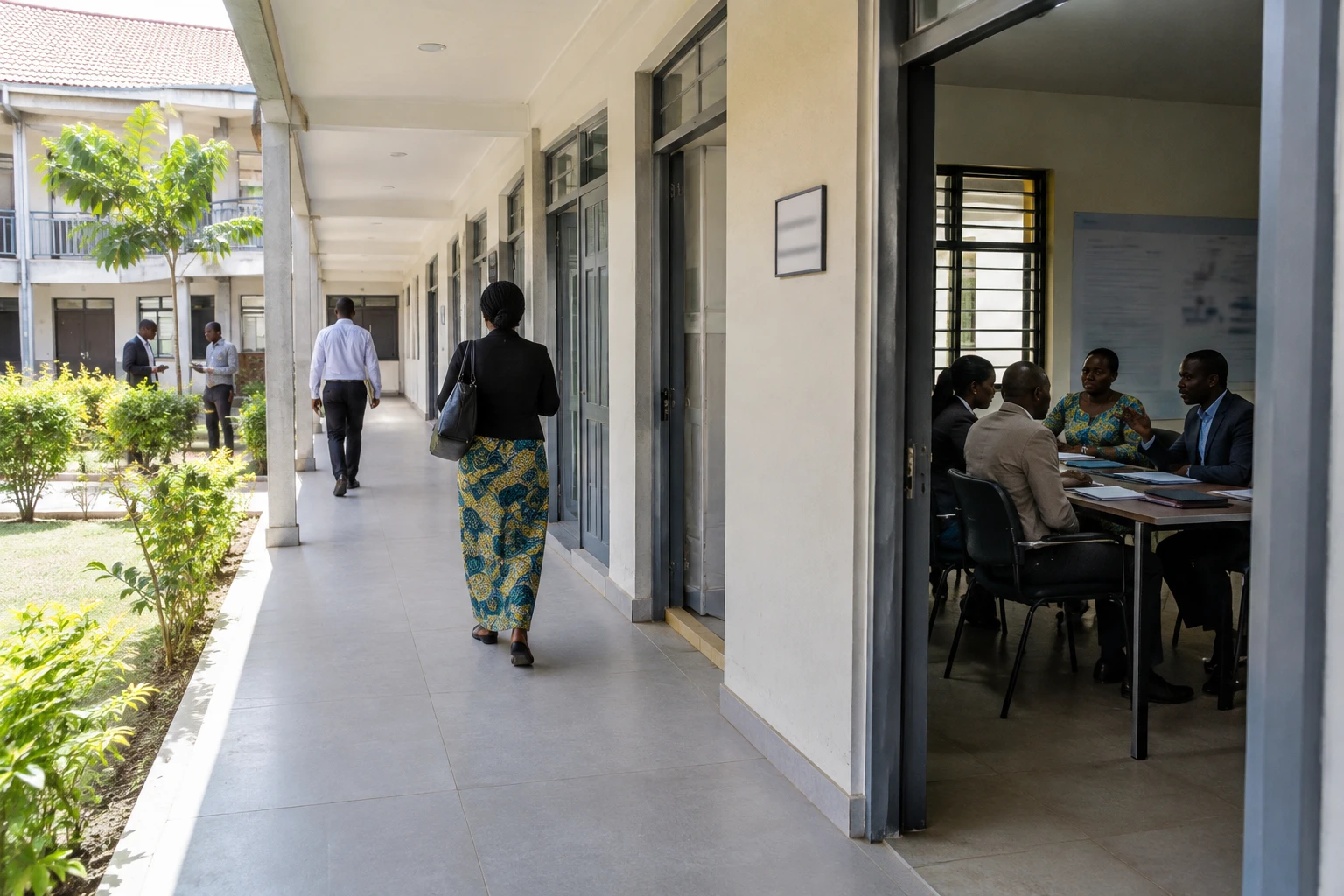
In Goma, in the east of the Democratic Republic of the Congo (DRC), a former president has placed himself at the head of a coalition bringing together political figures and armed groups. The decision could alter the balance of power, but also complicate negotiations intended to reduce the fighting. For residents of the affected areas, the immediate concerns remain security and the possibility of returning to normal life.
A new banner, familiar actors
On Monday 12 October 2026, in Goma, Joseph Kabila was presented as the leader of the Front for the Refoundation of the Nation (FRN). The announcement, made in a city controlled by the AFC-M23 coalition, describes the FRN as the successor to that politico-military alliance. Radio Okapi and the Associated Press report its creation and the former president’s new role.
The leadership brings together several figures from the former coalition. Corneille Nangaa and Bertrand Bisimwa have been named vice-presidents, according to Radio Okapi and Deutsche Welle. The movement invokes Article 64 of the Congolese Constitution, which provides for a duty to thwart any seizure or exercise of power in violation of the Constitution. This legal reference does not, however, by itself turn an armed coalition into a lawful political actor.
The launch of the FRN does not mean that the armed groups concerned have laid down their weapons. On the contrary, adviser Claude Ibalanky said the coalition intended to act “by all necessary means, including the use of force”, according to the AP. The statement is attributed to its author; without further verification, it does not allow a specific military plan to be inferred.
The government of Félix Tshisekedi had not responded by the time Radio Okapi published its report on 13 October. The outlet also reports that Kabila’s associates and members of the People’s Party for Reconstruction and Democracy (PPRD), his party, have distanced themselves from the initiative or resigned. This disagreement shows that the announcement is not necessarily unanimous within his own camp.
From eastern crisis to political confrontation
The DRC is experiencing a prolonged armed crisis in its eastern provinces, notably North Kivu and South Kivu. The M23, a Congolese armed movement, and the Congo River Alliance (AFC), a political and military coalition allied with it, have taken control of several localities. Rwanda is accused by Kinshasa and UN experts of supporting the M23; Kigali rejects the accusations and frames its concerns as a matter of border security. These positions must remain attributed to their respective sources.
The conflict is rooted in a regional history in which armed groups, border tensions and political rivalries intersect. The DRC is a member of the Southern African Development Community (SADC), while the Great Lakes countries also work through separate regional frameworks. Diplomatic initiatives therefore involve several mediators and formats, but a political agreement alone is not enough to secure rural areas or trade routes.
Joseph Kabila led the country from 2001 to 2019. His return to the forefront is therefore not merely a military reshuffle: it places a former head of state at the centre of a confrontation with Félix Tshisekedi’s government. The AP reports that Kabila was sentenced to death in absentia in 2025 for treason and crimes linked to the conflict; the former president denounced the proceedings as political. The accusations and his rejection of them should not be confused with independent proof of responsibility.
A change of label, or a new strategy?
The creation of the FRN may be intended to bring forces together. By publicly taking the lead, Kabila offers forces previously united around the AFC-M23 a national political face and a figure able to rally opponents of the government. This is one possible interpretation of the decision, not an explanation confirmed by the movement’s leaders.
The change of name could also be an attempt to broaden the coalition’s claimed legitimacy. Deutsche Welle raises the possibility of a more Congolese identity for an alliance whose alleged Rwandan support is at the centre of Kinshasa’s accusations and international debate. But the name does not settle questions about the chain of command, the autonomy of armed groups or the actual role of external backers.
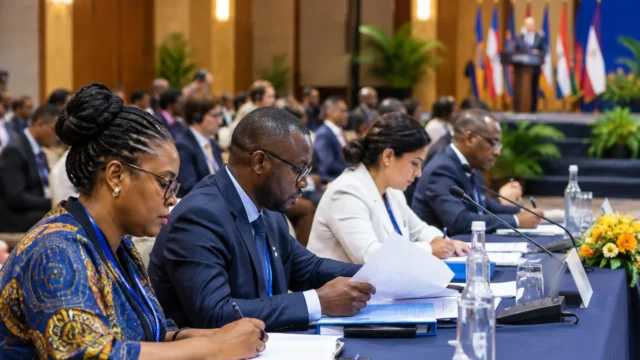
The new public profile above all poses a question for negotiators: who now represents the fighters and can guarantee that any potential ceasefire will be implemented? The AP says direct talks between the Congolese government and the AFC-M23 are taking place in Doha. Kabila’s taking the helm of the FRN could make their format harder to maintain if the parties cannot agree on interlocutors and the commitments expected.
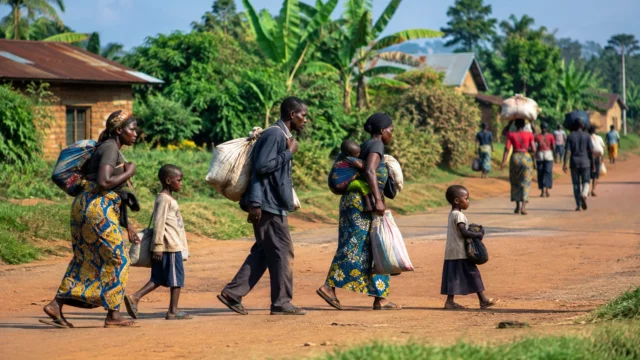
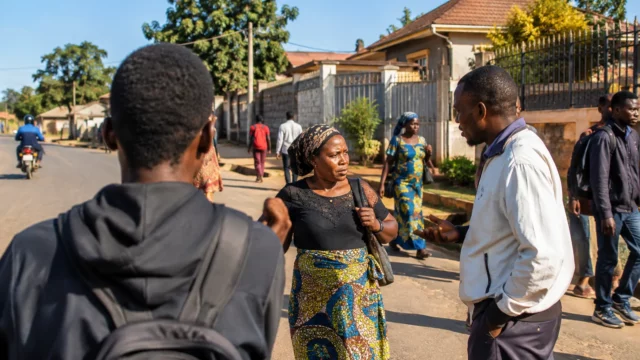
The consequences will not be measured only in capitals. In areas under the control of armed groups, civilians depend on safe roads and access to markets, schools and healthcare. Traders and workers in both the formal and informal sectors are affected by restrictions on movement and uncertainty. In Kinshasa, by contrast, the decision is fuelling debate about the legitimacy of power, the Constitution and the role of the opposition.
Regional diplomacy under pressure
For neighbouring countries, the new alliance risks adding a leading political actor to an already regional crisis. SADC and the African Union will have to monitor the impact of this reshuffle on de-escalation efforts, without assuming that a declaration of unity signals military or diplomatic progress. The priority will be to establish whether the FRN changes the parties’ positions, the conduct of the fighting or the channels of negotiation.
The next signs to watch are concrete: an official response from Kinshasa, whether or not the FRN takes part in the Doha discussions, and any announcement of a ceasefire that is actually observed on the ground. The coalition’s composition, the reported divisions within Kabila’s camp and the role attributed to its regional partners will also matter. As long as these issues remain uncertain, the creation of the FRN marks first and foremost a new political stage in the Congolese crisis, not an established prospect of peace.
For established facts and local responses, consult Radio Okapi’s report on the FRN, as well as reporting from the Associated Press and Deutsche Welle.