Algeria
 Egypt
 Libya
 Morocco
 Sudan
 Tunisia
 Benin
 Burkina Faso
 Cabo Verde
 Côte d'Ivoire
 Ghana
 Guinea
 Guinea-Bissau
 Liberia
 Mauritania
 Niger
 Nigeria
 Senegal
 Sierra Leone
 The Gambia
 Togo
 Cameroon
 Central African Republic
 Chad
 DR Congo
 Equatorial Guinea
 Gabon
 Republic of the Congo
 São Tomé and Príncipe
 Burundi
 Comoros
 Djibouti
 Eritrea
 Ethiopia
 Kenya
 Madagascar
 Malawi
 Mauritius
 Mozambique
 Rwanda
 Seychelles
 Somalia
 South Sudan
 Tanzania
 Uganda
 Angola
 Botswana
 Eswatini
 Lesotho
 Namibia
 South Africa
 Zambia
 Zimbabwe
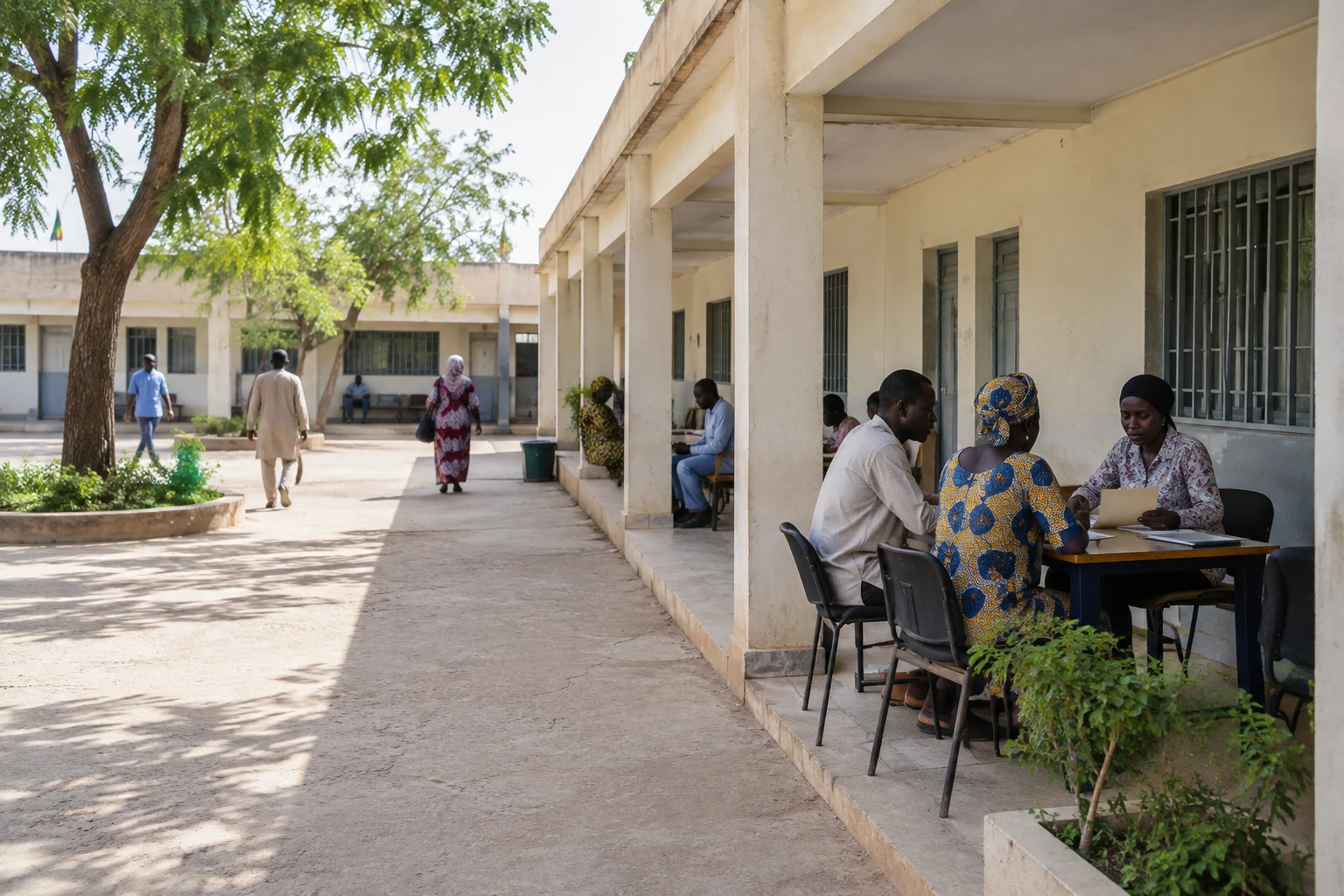
In central Mali, a strike on a village can leave behind two realities that are difficult to disentangle: the presence of armed groups in the area and the fate of civilians caught up in military operations. In Zanakoro, in the Ségou region, residents say they lost relatives in airstrikes. The toll and circumstances remain to be established through an independent investigation.
Accounts, but no confirmed toll
Accounts gathered from residents of Zanakoro and neighbouring villages describe strikes carried out on Monday 12 October 2026, in the late morning. According to these accounts, two aircraft dropped several bombs as families had just taken part in a naming ceremony.
Those interviewed report at least eight deaths, mainly women and children, including a pregnant woman and three girls under the age of ten. They also report around ten people seriously injured. Some accounts later put the toll at ten dead. These figures could not be independently confirmed and should be treated as provisional.
Residents describe damaged homes and families fleeing to the bush or neighbouring villages. A Malian security source cited in the available reports is said to have confirmed casualties without specifying a number. At the time these accounts were reported, the Malian army had issued no statement on the operation and had not responded to requests for comment.
The presence of JNIM in this part of central Mali is regularly reported. The al-Qaeda-affiliated Group for the Support of Islam and Muslims operates in several areas of Ségou. But this presence is not enough to establish that fighters were in Zanakoro at the time of the strikes, or to determine the intended target. No available independent evidence settles these questions.
Civilians caught up in insecurity in central Mali
The Ségou region plays an important role in trade and agricultural activity in the centre of the country. Armed violence disrupts travel, markets and access to services. Its effects are not the same for everyone: residents of remote villages often have fewer means to flee or reach a health centre quickly than people in towns.
Zanakoro is more than a point on a military map. When families leave their homes, they may lose their stocks, harvests and livelihoods. Children and injured people need care, while dispersed relatives try to find one another. The available information does not yet make it possible to measure the extent of these consequences in the village.
The context underlines the need for rigorous verification. The Malian authorities present their operations as actions against armed groups. At the same time, international organisations have previously reported allegations of civilian deaths during military operations in the country. In January 2026, United Nations experts sought clarification over earlier alleged strikes on civilians at Baydi and Tangatta, in the Timbuktu region. These precedents prove nothing about Zanakoro, but they underline the importance of precise investigations and public responses.
Verification must establish the facts
Establishing what happened will require confirming the location and time of the strikes, identifying the aircraft and munitions, documenting the victims and examining damage to homes. Separately gathered accounts, verified images and medical information can help reconstruct events. Access to the site and the safety of witnesses may nevertheless remain obstacles.
International humanitarian law requires forces engaged in hostilities to distinguish civilians from combatants and take precautions to reduce civilian casualties. Without information about the intended target and the circumstances of the attack, it would be premature to conclude that a violation occurred. But uncertainty does not absolve the authorities of the need to clarify the operation and account for any civilian casualties.
This question also forms part of a regional shift. Mali, Burkina Faso and Niger left ECOWAS on 29 January 2025 and created the Alliance of Sahel States. ECOWAS, a West African integration organisation, said it would maintain certain practical arrangements, including the movement of people and goods, while future relations were being determined. The withdrawal has changed the frameworks for political cooperation in the region, without erasing the cross-border consequences of insecurity.
For residents of Ségou, the immediate concerns are more concrete: finding out who was killed, locating people who have been dispersed and accessing medical care. In Bamako, a detailed official statement and a credible investigation would help answer the questions that remain open. Across the region, civilian protection and the circulation of verifiable information remain essential, even as political mechanisms between states change.
At this stage, the figure of at least eight deaths, like the figure of ten fatalities cited by some sources, remains based on local accounts. Independent confirmation is needed before it can be presented as an established toll.