Algeria
 Egypt
 Libya
 Morocco
 Sudan
 Tunisia
 Benin
 Burkina Faso
 Cabo Verde
 Côte d'Ivoire
 Ghana
 Guinea
 Guinea-Bissau
 Liberia
 Mali
 Mauritania
 Niger
 Nigeria
 Sierra Leone
 The Gambia
 Togo
 Cameroon
 Central African Republic
 Chad
 DR Congo
 Equatorial Guinea
 Gabon
 Republic of the Congo
 São Tomé and Príncipe
 Burundi
 Comoros
 Djibouti
 Eritrea
 Ethiopia
 Kenya
 Madagascar
 Malawi
 Mauritius
 Mozambique
 Rwanda
 Seychelles
 Somalia
 South Sudan
 Tanzania
 Uganda
 Angola
 Botswana
 Eswatini
 Lesotho
 Namibia
 South Africa
 Zambia
 Zimbabwe
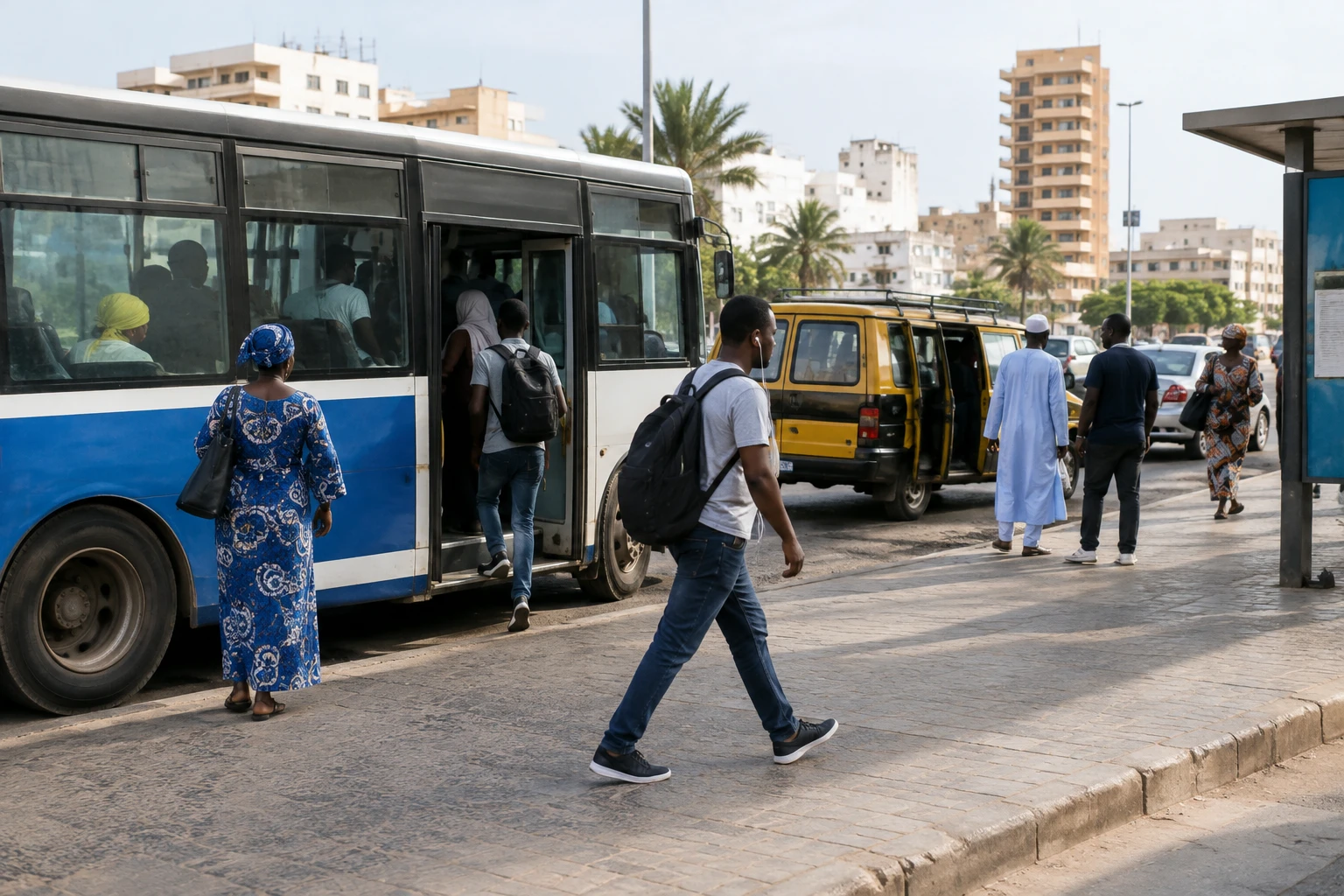
As the continent prepares for an unprecedented sporting event, one question reaches beyond the stadiums: who can live and move around Senegal without fear? A report published on 12 October by Human Rights Watch (HRW) describes an increase in arrests and obstacles to the rights of LGBT people.
A tougher law amid political tension
Consensual same-sex relations have been criminalised in Senegal since 1965. On 11 March 2026, the National Assembly amended Article 319 of the Criminal Code. The law raises the maximum sentence to ten years and also penalises the “promotion” of, or support for, LGBT people and organisations.
The crackdown comes amid a political period in which the issue has taken on a prominent place in public debate. During the 2024 presidential campaign, Bassirou Diomaye Faye and Ousmane Sonko had promised to strengthen the legislation. Parliament adopted the changes by 135 votes, with none against and three abstentions, according to HRW.
The issue concerns criminal law, privacy and access to healthcare. It also raises questions about Senegal’s implementation of its international commitments, including the International Covenant on Civil and Political Rights.
Arrests reported in several regions
HRW says it interviewed 39 people in May: detainees, members of the queer community, lawyers, healthcare workers, journalists, civil society representatives and public officials. The organisation also says it contacted Senegalese authorities on 29 September, but had received no response before its report was published.
The reported timeline begins before the law was adopted. In December 2025, five men were detained in the Thiès region. In February 2026, 12 others were arrested in Dakar. Since then, arrests have been reported in Thiès, Rosso, Saint-Louis, Yeumbeul and Ziguinchor.
There is no consolidated official count. HRW says it was unable to independently verify the total. The Senegalese organisation African Meeting for the Defence of Human Rights (RADDHO) records at least 212 arrests between February and July. The HIV Justice Network puts the figure at more than 300 over the same period. These separate estimates should therefore not be presented as an established tally by the authorities.
Of those arrested, 82 are said to have been charged with “deliberate transmission of HIV”, according to the HIV Justice Network. HRW reports that a court dismissed these charges in August. The organisation also says detainees underwent HIV tests without informed consent. These allegations raise questions about medical confidentiality and judicial safeguards.
Consequences beyond the courts
According to testimony gathered by HRW, fear of arrest is leading LGBT people to limit their movements and activities. Lawyers are said to be reluctant to take on these cases, for fear of being associated with their clients or targeted themselves. Access to legal representation thus becomes a practical issue in the right to a fair trial.
The repercussions also affect public health. If people avoid testing or stop treatment for fear that medical information will be used in criminal proceedings, the consequences extend beyond those arrested. Healthcare professionals cited by HRW are specifically concerned about breaches of medical confidentiality and a possible decline in voluntary use of healthcare services.
This situation is unfolding in a country with diverse regions and social realities. The reported incidents are not confined to Dakar: accounts mention cities in several regions. Available public data nevertheless remain too limited to measure precisely the scale of the arrests or their effects in different locations.
Dakar 2026: sporting showcase and rights challenge
From 31 October to 13 November, Senegal is due to host the Youth Olympic Games in Dakar, Diamniadio and Saly. It will be the first Olympic event held in Africa. The Senegalese Press Agency confirms the dates and three venues, while the International Olympic Committee describes the Games as a historic edition for the continent.
The event’s proximity gives the debate international significance, without making it the source of the issue. The Olympic Charter sets out principles of dignity and non-discrimination. HRW says the reported repression raises questions about whether they are being upheld. According to the organisation, Senegalese authorities did not respond to requests for comment sent before publication.
Across West Africa, the case resonates in a region where laws and practices towards LGBT people vary widely from one country to another. It also highlights how the commitments of ECOWAS, a regional integration organisation, coexist with distinct national laws. The implementation of Senegal’s law, the safeguards afforded to detainees and the responses of institutions during the Games will need to be monitored.