Algeria
 Egypt
 Libya
 Morocco
 Sudan
 Tunisia
 Benin
 Burkina Faso
 Cabo Verde
 Ghana
 Guinea
 Guinea-Bissau
 Liberia
 Mali
 Mauritania
 Niger
 Nigeria
 Senegal
 Sierra Leone
 The Gambia
 Togo
 Cameroon
 Central African Republic
 Chad
 DR Congo
 Equatorial Guinea
 Gabon
 Republic of the Congo
 São Tomé and Príncipe
 Burundi
 Comoros
 Djibouti
 Eritrea
 Ethiopia
 Kenya
 Madagascar
 Malawi
 Mauritius
 Mozambique
 Rwanda
 Seychelles
 Somalia
 South Sudan
 Tanzania
 Uganda
 Angola
 Botswana
 Eswatini
 Lesotho
 Namibia
 South Africa
 Zambia
 Zimbabwe
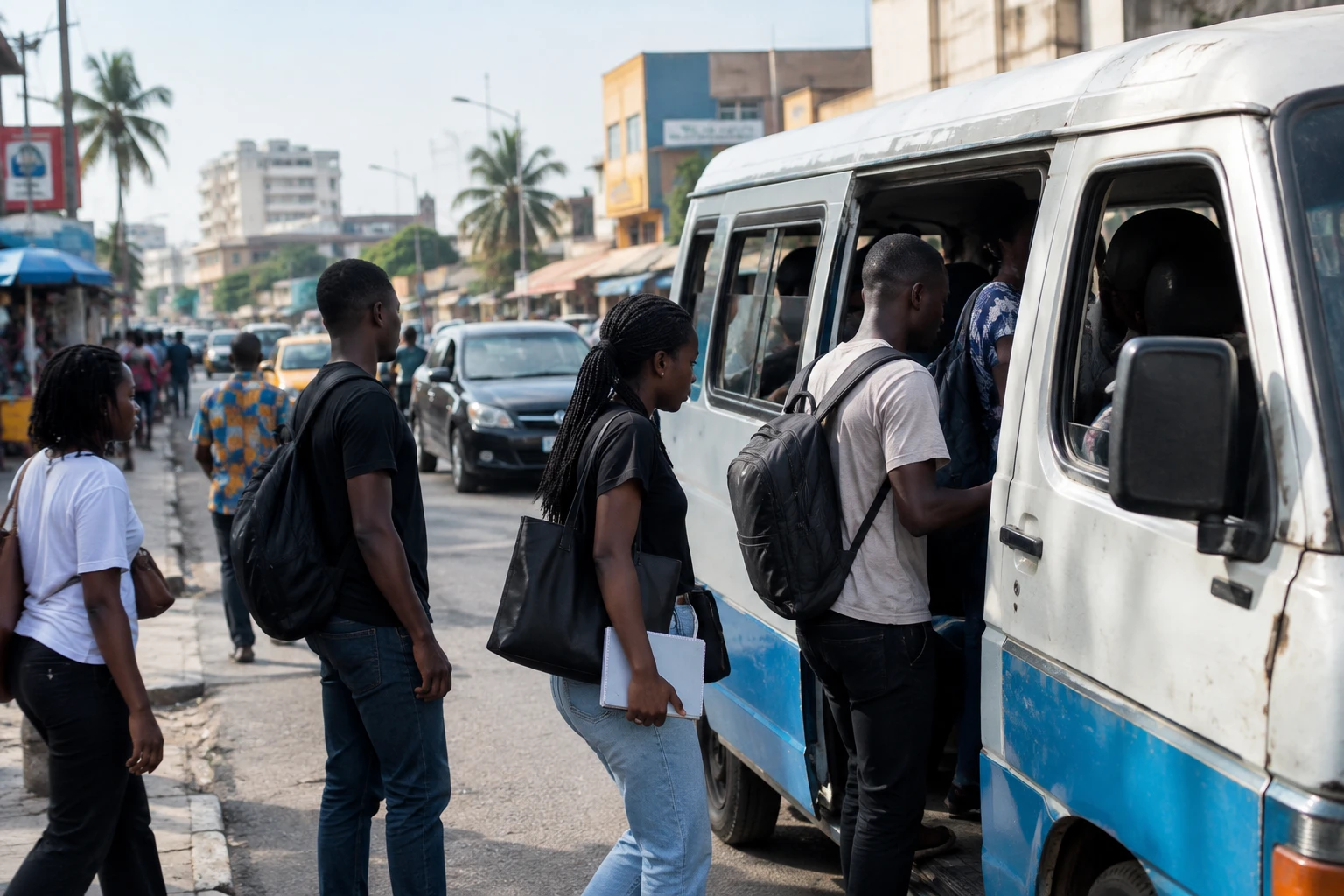
In Treichville, a facility for young people could soon bring together training, sport, culture and support services. In Côte d’Ivoire, the question goes beyond funding a building: it is also about the spaces and services available to young people in a rapidly growing metropolis.
The Children of Africa Foundation is devoting its 10th gala dinner to the project. The event is scheduled for Friday 9 October 2026 at the Sofitel Abidjan Hôtel Ivoire. The funds sought are intended to finance the future Treichville Youth Centre. At this stage, the information available does not establish how much was actually raised at the gala.
A project rooted in Abidjan’s neighbourhoods
The choice of Treichville places the project at the heart of the Abidjan district, Côte d’Ivoire’s economic capital. The country’s political and administrative capital remains Yamoussoukro. According to plans presented by the Foundation, the centre would be built on a 1.6-hectare site on the edge of the lagoon, near the Charles-de-Gaulle Bridge.
The facility is designed as a multi-purpose venue. The planned spaces include study rooms and cultural workshops, as well as sporting activities and support services. The stated aim is to offer young people a setting in which to learn, create and develop skills. However, this is a project yet to be delivered: its announcement does not yet make it possible to assess access arrangements, any fees, the construction timetable or the number of beneficiaries.
Preparations for the gala were launched in July by the Foundation, chaired by First Lady Dominique Ouattara. Its director, Nadine Sangaré, described youth as a new area of focus, following work in health, education and social protection. Ivorian media outlet Ivoire.ci also reported that the gala was intended to support construction of the centre in Treichville.
Galas linked to social facilities
Since 2012, the Foundation’s gala dinners have been associated with several projects in Côte d’Ivoire. The list provided by the organisation includes the Mother and Child Hospital in Bingerville, children’s reception centres, a school complex in Abobo and a centre for women who have experienced violence in Adiaké. The 2024 gala, according to the Foundation and Ivoire.ci, contributed to funding an extension of the paediatric cardiology department in Bingerville. The organisation said its inauguration was planned for 2026; the information consulted does not confirm whether it has already taken place.
The Foundation describes the Mother and Child Hospital in Bingerville as a non-profit facility, inaugurated in 2018, with 130 beds and places. These details appear in Children of Africa’s presentation of the hospital. They give a concrete indication of the scale of previous projects, but are not enough to establish their actual cost to families, their attendance or their health outcomes.
The same caution applies to the reception and care facilities mentioned in the Foundation’s general overview of its activities. The available information does not show that all services are free. It is therefore important to distinguish the existence of facilities with a social purpose from the specific conditions governing access to them, which vary by facility and service.
Private fundraising does not replace public services
A gala can bring businesses, patrons and donors together around a construction project. But building is only one step. For a youth centre to meet needs over the long term, it will also be necessary to clarify who will manage it, how its operations will be funded and which schools, associations or public services it will work with.
These questions are particularly important in a large city where needs and opportunities are not evenly distributed. Young people living near the site could access it more easily than those in outlying communes or rural areas. Opening hours, transport costs and any fees will also determine whether the activities serve a diverse population or mainly people already close to institutional networks.
The project comes amid youth policies involving several levels of decision-making: the state, local authorities, associations and business actors. A philanthropic initiative can complement public action, but it does not replace either a national training policy or services accessible throughout the country. Transparency about the funds raised and future spending will therefore be important in assessing the project’s reach.
An Ivorian issue with resonance across West Africa
Côte d’Ivoire is part of ECOWAS, the Economic Community of West African States, whose members face shared challenges around training, employment and youth mobility. The Treichville centre is not, in itself, a regional programme. It nevertheless illustrates the growing importance attached to learning and support spaces in local responses to young people’s expectations.
Follow-up should focus on verifiable details: the amount actually raised on 9 October, the construction timetable, the partnerships announced and the access conditions once the facility opens. For residents, the decisive measure will not be the site’s architecture alone, but the regularity of activities and their accessibility beyond central Abidjan.
The Foundation’s past projects provide a precedent for this fundraising effort, but every facility brings its own operational requirements. The next step will therefore be to turn the financial mobilisation into lasting services, with measurable results for young people in Treichville and, if resources allow, neighbouring areas.