Algeria
 Egypt
 Libya
 Morocco
 Sudan
 Tunisia
 Benin
 Burkina Faso
 Cabo Verde
 Côte d'Ivoire
 Ghana
 Guinea
 Guinea-Bissau
 Liberia
 Mali
 Mauritania
 Niger
 Nigeria
 Senegal
 Sierra Leone
 The Gambia
 Togo
 Cameroon
 Central African Republic
 Chad
 DR Congo
 Equatorial Guinea
 Gabon
 Republic of the Congo
 São Tomé and Príncipe
 Burundi
 Comoros
 Djibouti
 Eritrea
 Ethiopia
 Kenya
 Madagascar
 Malawi
 Mauritius
 Mozambique
 Rwanda
 Seychelles
 Somalia
 South Sudan
 Tanzania
 Uganda
 Angola
 Botswana
 Eswatini
 Lesotho
 Namibia
 Zambia
 Zimbabwe
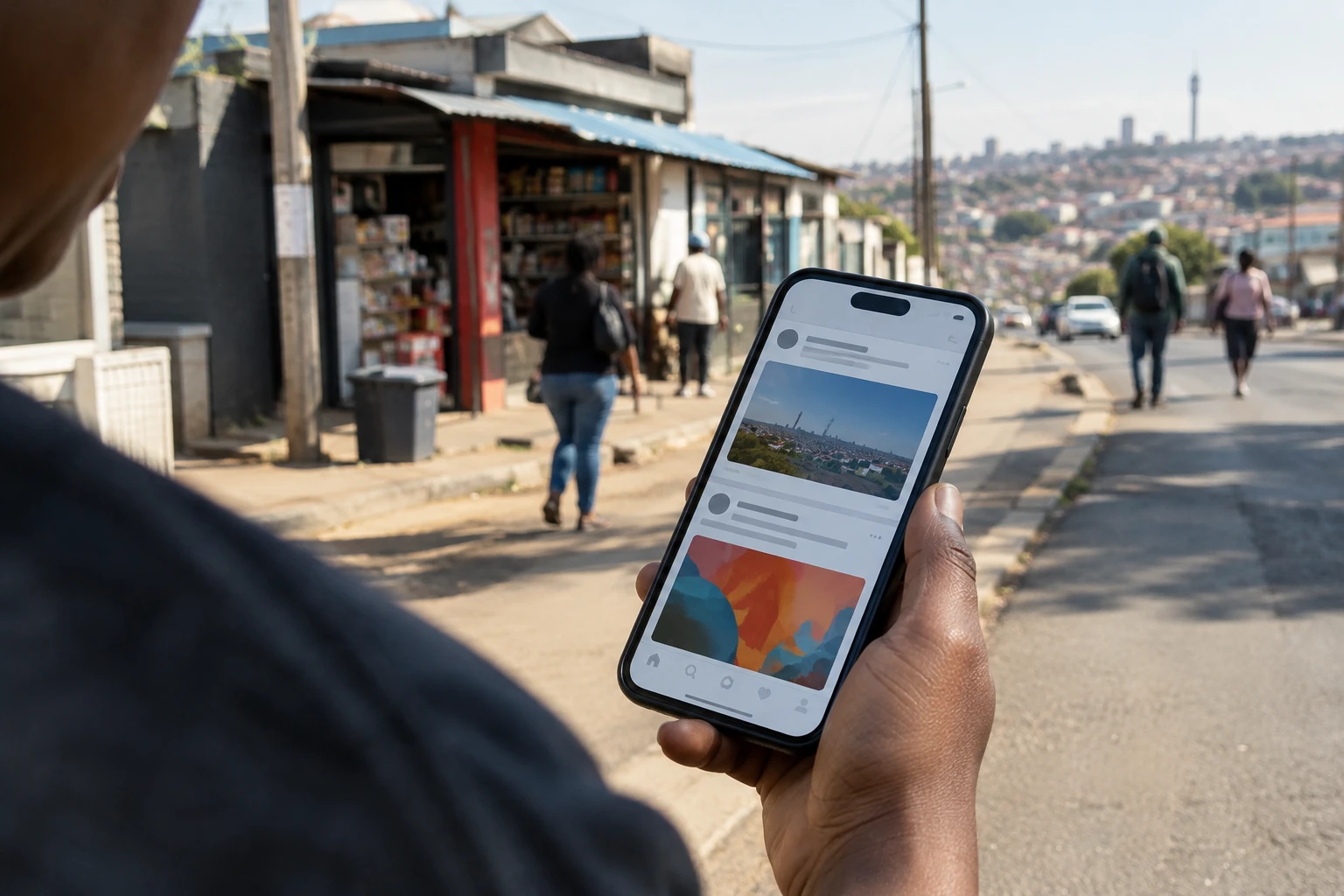
In Soweto, an asylum application being considered by the authorities became a flashpoint on the streets. On 8 October, cars were set alight and shops looted in Soweto and Durban, revealing how a legal ruling can be distorted when public services are overstretched and distrust takes hold.
A court ruling at the heart of tensions
South Africa’s Constitutional Court ruled in July on access to the asylum process. It struck down procedural barriers that could prevent some people from having their applications considered, particularly if they had entered the country without authorisation or had failed to meet a deadline for declaring their presence. The ruling does not automatically grant refugee status or regularise the position of everyone without papers.
In South Africa, an asylum application is a request for protection that the authorities must assess. It does not amount to automatic recognition of refugee status. The government reiterated this on 8 October, after crowds gathered outside refugee reception offices and misleading claims circulated on social media. Applications must still be considered under the law.
However, the administrative implementation of the ruling created immediate pressure. Queues grew longer outside Home Affairs offices. On 9 October, South African media reported that the department had withdrawn an implementation directive, citing overcrowded offices and security concerns. This administrative withdrawal does not overturn the Court’s ruling. It leaves open the question of how the state will organise access to the process.
Violence in two major cities
On Thursday 8 October, protests against the processing of asylum applications turned violent in Soweto, in the Johannesburg metropolitan area, and in central Durban, on the east coast. According to police, ten vehicles were set alight in Soweto and 14 in Durban. Shops owned by foreign nationals were also looted or vandalised. In Durban, three people were arrested on suspicion of assaulting a protester. These details were reported by police and corroborated by media outlets at the scene.
Gunshots were reportedly heard near a Home Affairs office in Soweto. The Johannesburg Metropolitan Police Department said no injuries had been reported in the area. In Durban, police deployed riot units and used rubber bullets to disperse protesters, according to Agence France-Presse journalists. The precise circumstances of the clashes remain to be established.
South African police condemned the arson and destruction. On 9 October, acting national commissioner Puleng Dimpane said the right to protest did not cover criminal acts. Authorities increased their presence in Soweto and Durban, amid fears of further gatherings. Tensions were also reported in Gqeberha, though there was no destruction on a scale comparable to the two main flashpoints, according to local media.
Beyond the queues, a crisis of trust
The anger expressed on the streets is part of a wider climate. For several months, anti-immigration movements have called for foreign nationals living in the country illegally to leave. Some activists portray migrants as responsible for problems that also affect South Africans, including access to jobs and public services. But social frustration does not justify blaming an entire group for complex problems, nor does it justify attacks on people and their businesses.
The effects of the violence are immediate and uneven. Affected shopkeepers lose goods and income; residents see their neighbourhood disrupted and their movements impeded. Migrants, whether asylum seekers or not, may fear going to public services or going to work. Meanwhile, state officials must deal with a surge in applications at offices already under pressure. Insufficient reception capacity fuels the queues; rumours then turn this administrative difficulty into a political confrontation.
For Pretoria, the challenge is twofold: to implement the Constitutional Court’s ruling and maintain public order without abandoning the protections provided by law. Processing applications more quickly and transparently could reduce misunderstandings. But if the directive remains withdrawn, the move also risks prolonging uncertainty for applicants and the officials handling their cases.
An issue that reaches beyond South Africa’s borders
South Africa occupies a central position in southern Africa and in the Southern African Development Community (SADC), the regional organisation that brings the countries of the area together around economic and political cooperation. Labour migration and movements in search of protection affect families and economies in several countries. Attacks on foreign nationals can therefore damage neighbourly relations and disrupt everyday exchanges far beyond the places where violence breaks out.
The episode also highlights an essential distinction for countries in the region: border control and the processing of protection claims are separate responsibilities, but they must work together. In the coming days, attention will turn to the Home Affairs department’s response to the court ruling, the reopening or adjustment of reception arrangements, and the progress of police investigations. How Pretoria balances the right to asylum, administrative capacity and local security will affect trust in institutions in South Africa and among its neighbours.
For the reported events, see the South African police statement on the violence in Soweto and Durban, coverage by the South African press in Soweto and the Associated Press report on the vehicles set alight. Details of the court ruling and events were also cross-checked against AFP coverage carried by TV5MONDE and reporting on the withdrawal of the directive.