
 Algeria
 Egypt
 Libya
 Sudan
 Tunisia
 Benin
 Burkina Faso
 Cabo Verde
 Côte d'Ivoire
 Ghana
 Guinea
 Guinea-Bissau
 Liberia
 Mali
 Mauritania
 Niger
 Nigeria
 Senegal
 Sierra Leone
 The Gambia
 Togo
 Cameroon
 Central African Republic
 Chad
 DR Congo
 Equatorial Guinea
 Gabon
 Republic of the Congo
 São Tomé and Príncipe
 Burundi
 Comoros
 Djibouti
 Eritrea
 Ethiopia
 Kenya
 Madagascar
 Malawi
 Mauritius
 Mozambique
 Rwanda
 Seychelles
 Somalia
 South Sudan
 Tanzania
 Uganda
 Angola
 Botswana
 Eswatini
 Lesotho
 Namibia
 South Africa
 Zambia
 Zimbabwe
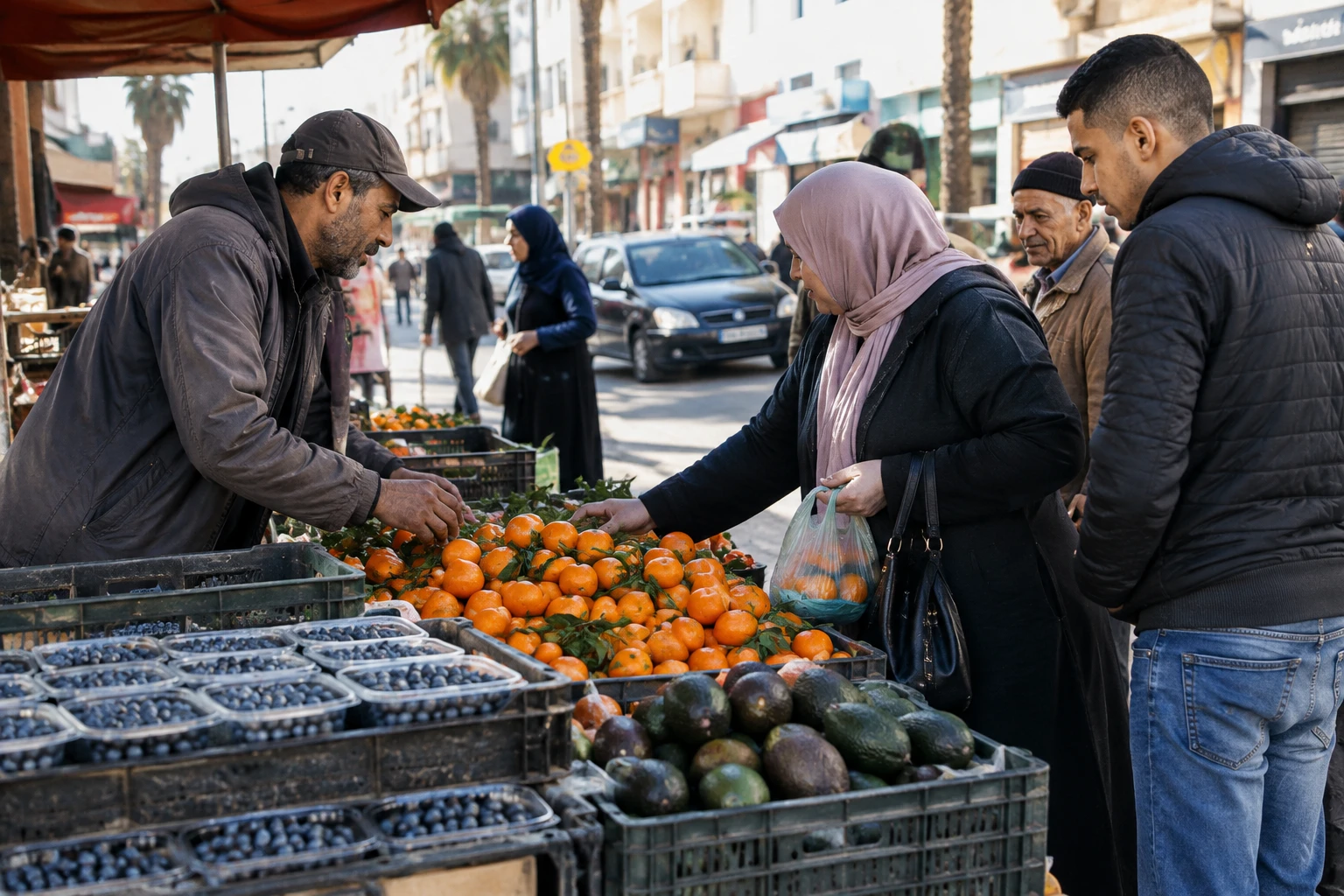
Producing more fruit for Moroccan and foreign markets can support agricultural incomes and export revenues. But in the Gharb, where water already shapes crop choices, every new investment also raises a practical question: how can this resource be shared sustainably between farms, residents and other activities?
This tension accompanies the diversification of Morocco’s orchards. Soft fruit, citrus and avocados are finding international markets, particularly in Europe. Geographical proximity and transport infrastructure facilitate the shipment of perishable produce. However, commercial appeal alone is not enough to determine whether a farm is viable: access to water, local employment and the role reserved for the domestic market also matter.
A new investment in the Gharb
On 6 October 2026, UAE-based group Elite Agro Holding announced a memorandum of understanding with the Arab Authority for Agricultural Investment and Development (AAAID). The agreement provides for the establishment and development of a farm covering about 400 hectares in Sidi Yahya, in the Gharb region.
The announced investment amounts to 140 million UAE dirhams, or about $38 million. These are UAE dirhams, not Morocco’s currency. The project plans to grow blueberries, mandarins and avocados, among other crops. Its output is intended for domestic and international markets. At this stage, the announcement concerns a development agreement; it does not provide a detailed timetable for the start of production.
The new farm forms part of an already extensive presence. In June 2026, Elite Harvest Maroc, a subsidiary of the group, inaugurated a 200-hectare site dedicated to blueberries and raspberries in Kenitra. Reports of the inauguration referred to seven farms in the country and cumulative investment exceeding 500 million UAE dirhams. These details reflect statements by the group reported in the specialist press at the time.
Significant exports, benefits yet to be specified
Fruit accounts for a significant share of Morocco’s foreign trade. According to the 2024 report by the Foreign Exchange Office, sales of strawberries and raspberries rose sharply that year, as did sales of fresh or dried, frozen or brined fruit. The official report tracks these categories, but aggregate figures alone do not show what share of the revenue goes to growers, employees or packing operators.
This distinction matters. An export-focused farm can create seasonal jobs and generate work for hauliers, sorting stations and local suppliers. It can also depend on overseas markets, commercial standards and supply chains over which small farms have less influence. The actual impact on Gharb communities will therefore depend on the jobs created and their conditions, local purchasing, and Moroccan producers’ access to markets.
The announced project is not limited to berries, the speciality highlighted at the Kenitra inauguration. According to information provided in previous announcements, the group’s agricultural portfolio in Morocco includes several other fruits. Mandarins and avocados in Sidi Yahya would thus broaden the range of crops grown. This diversification may spread commercial risks, but it does not guarantee less pressure on natural resources: that depends on the areas planted, farming practices and irrigation conditions.
Water, a decisive factor for the project
Water availability remains a structural challenge for Moroccan agriculture, despite the improvement in reserves reported in 2026. A temporary rise in dam levels does not end pressure on aquifers or the need to balance competing uses. The resumption of irrigation in some areas, reported by the Moroccan press this year, therefore does not mean that water constraints have disappeared.
In Sidi Yahya and the Gharb, the issue is particularly tangible for avocado crops. Growers in the region have discussed the effects of the climate and water availability on their orchards. Requirements vary according to soil, techniques and weather conditions, so the future site’s water use cannot be inferred from the list of announced crops alone. The published memorandum does not specify the source of supply, planned volumes or monitoring measures.
This information will be essential in assessing the project’s consequences. Drip irrigation can improve the precision of watering, but on its own it does not answer the question of the total volume drawn. Residents, nearby farmers and local authorities have distinct interests in managing the resource. Data on withdrawals, their source and how they change over time would make it possible to assess the trade-offs actually made.
A Moroccan concern, with regional and global markets
For Morocco, expanding agricultural exports forms part of a strategy to develop value chains and diversify foreign sales. Across North Africa, agricultural trade operates within a regional framework shaped by the Arab Maghreb Union, whose economic integration remains limited. In practice, European markets weigh heavily in the logistics of fruit destined for export.
The project’s impact will therefore be measured on several fronts: marketed output, sustainable jobs, income for local stakeholders and pressure on water. The announcement marks an investment step, not proof that all these objectives will be achieved. The implementation timetable, irrigation arrangements and split between domestic sales and exports remain to be specified. These are the factors that will determine whether agricultural revenues can be balanced with available resources in the Gharb.



