Algeria
 Libya
 Morocco
 Sudan
 Tunisia
 Benin
 Burkina Faso
 Cabo Verde
 Côte d'Ivoire
 Ghana
 Guinea
 Guinea-Bissau
 Liberia
 Mali
 Mauritania
 Niger
 Nigeria
 Senegal
 Sierra Leone
 The Gambia
 Togo
 Cameroon
 Central African Republic
 Chad
 DR Congo
 Equatorial Guinea
 Gabon
 Republic of the Congo
 São Tomé and Príncipe
 Burundi
 Comoros
 Djibouti
 Eritrea
 Ethiopia
 Kenya
 Madagascar
 Malawi
 Mauritius
 Mozambique
 Rwanda
 Seychelles
 Somalia
 South Sudan
 Tanzania
 Uganda
 Angola
 Botswana
 Eswatini
 Lesotho
 Namibia
 South Africa
 Zambia
 Zimbabwe
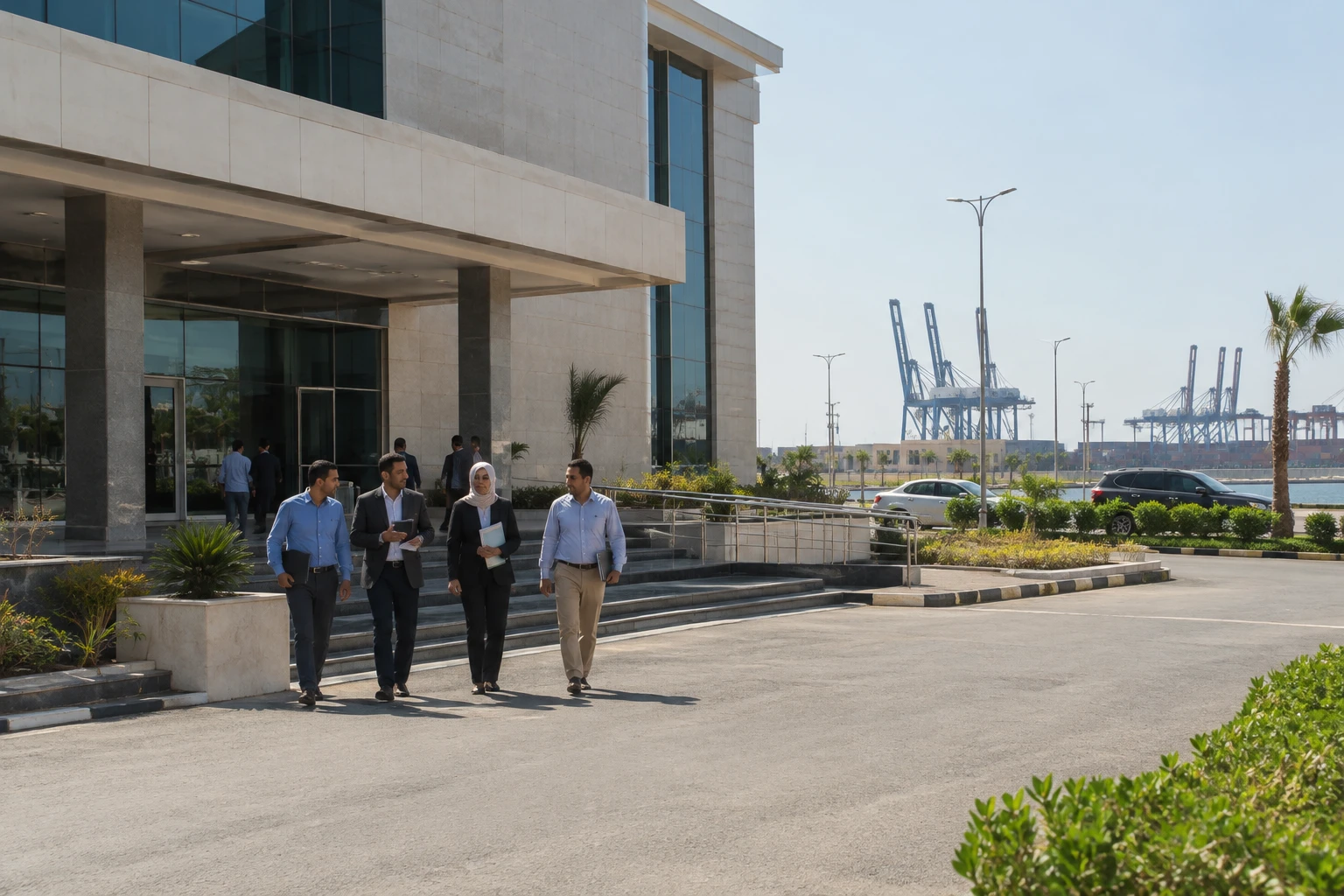
For Egypt, attracting a foreign factory is not enough. The challenge is also to produce locally, train workers and sell to other markets. Cairo highlighted this ambition in Seoul, as trade with South Korea has edged down this year.
From the Suez Canal to regional markets
President Abdel Fattah Al-Sissi began a state visit to South Korea on 6 October 2026, the first stop on an Asian tour that is also due to take him to Malaysia and Indonesia. The trip comes less than a year after South Korean President Lee Jae-myung visited Cairo in November 2025, on the occasion of 30 years of diplomatic relations between the two countries.
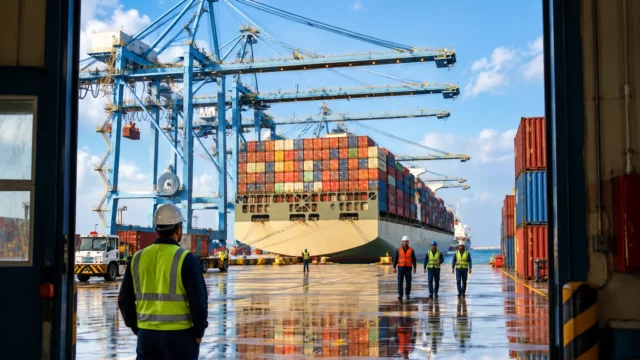
Cairo has for several years sought to attract industrial investment and develop infrastructure around the Suez Canal. The Suez Canal Economic Zone comprises industrial areas, ports and logistics services. Egypt hopes to make it a production base linked to Africa, the Arab world and Europe.
This strategy comes amid competition among countries to host production chains and investment. For South Korean companies, Egypt offers a sizeable domestic market and a position on a major trade route. For the Egyptian authorities, the challenge is to turn this geographical advantage into jobs, skills and local added value.
Industrial zone proposed, projects still to be realised
In Seoul on 7 October, Al-Sissi met the leaders of 23 major South Korean companies. He renewed his proposal to establish an integrated Korean industrial zone within the Suez Canal Economic Zone. According to the Egyptian presidency, it could serve as a production and export hub.
The president also discussed partnerships in shipbuilding, automotive, electronics, petrochemicals, pharmaceuticals and digital technologies. The stated goal therefore goes beyond selling goods: the authorities are highlighting joint manufacturing, technology transfer and training.
This approach addresses a central question for the Egyptian economy: what share of the benefits will remain in the country? A factory can create direct jobs, but lasting effects also depend on local suppliers, vocational training and the ability of Egyptian companies to join production chains. These benefits are not automatic and will depend on the agreements actually concluded.
A memorandum of understanding signed between Egypt’s National Authority for Tunnels and Hyundai Rotem concerns a study of a project for 44 hydrogen tramways for the New Administrative Capital. The manufacturer is to examine the feasibility and terms of a possible supply, as well as co-operation on railway systems, construction, operation and maintenance. This is therefore a preparatory step, not confirmation of a delivery contract.
The project will in particular have to demonstrate its economic viability and clarify its financing. For passengers, its value will depend on how well the tramway is integrated with other transport, its cost and whether it effectively serves neighbourhoods. For industry, local content and staff training will matter as much as the technology chosen.
Trade down despite ambitions
Figures from Egypt’s statistics agency CAPMAS, cited by several Egyptian media outlets, put trade between Egypt and the Republic of Korea at $874 million in the first eight months of 2026, compared with $920 million over the same period in 2025. This decline alone is not enough to establish an annual trend. It does, however, highlight the gap between political ambition and the recent trajectory of bilateral trade.
The business meeting brought together government officials and business leaders from both countries. Egypt is interested in investment and production capacity. For South Korea, the Suez zone could facilitate access to several markets. But the results will depend on investment decisions, available infrastructure and the conditions offered to companies.
The implications extend beyond the bilateral relationship. Egypt is a member of the African Union and the Arab League, and participates in the African Continental Free Trade Area, which aims to facilitate trade between African countries. If Korean companies do produce in Egypt, the country could strengthen its industrial links with Asia and its role as a regional hub. This will nevertheless depend on trade rules, logistics costs and product competitiveness.
The next steps will therefore be decisive: the possible creation of the industrial zone, companies’ financial commitments and the findings of the tramway study. For now, the visit has set out avenues for co-operation. Their translation into contracts, local production and jobs remains to be established.