Algeria
 Egypt
 Libya
 Morocco
 Sudan
 Benin
 Burkina Faso
 Cabo Verde
 Côte d'Ivoire
 Ghana
 Guinea
 Guinea-Bissau
 Liberia
 Mali
 Mauritania
 Niger
 Nigeria
 Senegal
 Sierra Leone
 The Gambia
 Togo
 Cameroon
 Central African Republic
 Chad
 DR Congo
 Equatorial Guinea
 Gabon
 Republic of the Congo
 São Tomé and Príncipe
 Burundi
 Comoros
 Djibouti
 Eritrea
 Ethiopia
 Kenya
 Madagascar
 Malawi
 Mauritius
 Mozambique
 Rwanda
 Seychelles
 Somalia
 South Sudan
 Tanzania
 Uganda
 Angola
 Botswana
 Eswatini
 Lesotho
 Namibia
 South Africa
 Zambia
 Zimbabwe
In a case involving a teenage girl, the urgent response does not end with medical care or arrests. In Tunisia, the handling of the investigation, the protection of the victim and the spread of rumours are also testing the institutions responsible for safeguarding minors.
Investigation ongoing in Tunis
The alleged events are said to have taken place in Mellassine, a district of Tunis. Yakine, a teenage girl whose age is given as 15 in several reports, was hospitalised after an alleged sexual assault. The precise circumstances and individual responsibility still have to be established by the investigation and the courts.
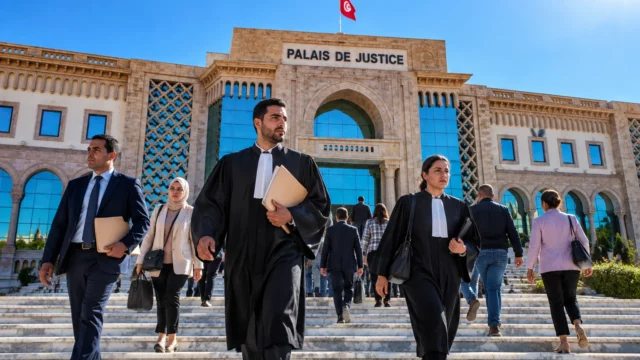
On 7 October 2026, people suspected in the case appeared in court, according to the information available. On the same day, Mosaïque FM reported that the number of arrests had risen to 14. This figure, attributed to informed sources, could not be independently confirmed by a second source among the information consulted. It should therefore be treated with caution, as should details circulating online about the roles attributed to each person.
Initial reports described her condition as serious. Contradictory accounts later circulated, including an announcement of her death that security sources cited by Tunisian media denied. Caution is warranted: no further medical details should be repeated without official confirmation and a clear public-interest reason.
The girl’s name has been widely repeated in posts about the case. But media coverage must not become another violation of her rights. Photographs, her full identity and any details that could identify her must remain out of the public domain. For a minor who is the alleged victim of sexual violence, respect for privacy is part of protection.
Legal safeguards put to the test
Tunisia has legal mechanisms intended to prevent violence and support victims. Organic Law No. 2017-58 provides, among other things, for specialised units at police stations and safeguards for child victims of sexual offences. It stipulates that they be interviewed with the support of a psychologist or social worker and limits interviews to avoid making them relive the events unnecessarily.
These safeguards are effective only if they are applied at every stage: reception, investigation, care and court proceedings. The challenge also concerns co-ordination between the police, the public prosecutor’s office, health services and child-protection delegates. For a hospitalised teenager, continuity of psychological and social support matters as much as establishing the facts.
The law also sets out a framework for care and protection. It provides for access to medical and psychological care, social support and legal assistance. The relevant authorities must ensure that these rights are upheld, without exposing the girl to further harm or reducing her to her status as a victim.
Public debate has also been fuelled by calls for very severe penalties. But the gravity of the alleged events does not remove the need to respect the presumption of innocence and the rules of evidence. A thorough investigation must distinguish between suspects, documented facts and responsibility, which only a court ruling can establish.
Beyond the individual case, protecting minors
The case comes amid ongoing concern over violence against children as a public-protection issue. An analysis published by UNICEF Tunisia in December 2024, based on the 2023 MICS survey, states that 81% of the children surveyed had experienced at least one form of violent discipline. This indicator covers violent forms of discipline in the broad sense: it does not measure sexual assault and therefore cannot be used to estimate its prevalence.
UNICEF also highlights the need to improve understanding of the problem and the responses to it. Reports do not necessarily reflect the full extent of the violence suffered: fear, dependence on an adult or concern about stigma can prevent a child from disclosing abuse. Available figures should therefore be read in light of their definitions and collection methods.
In Mellassine, as elsewhere, the conditions in a neighbourhood cannot on their own explain an assault or shift responsibility away from the alleged perpetrators. The investigation must examine the specific circumstances, any possible failures in protection and any reports that may have been made, without making a place or its residents collectively responsible.
Rumours, justice and regional implications
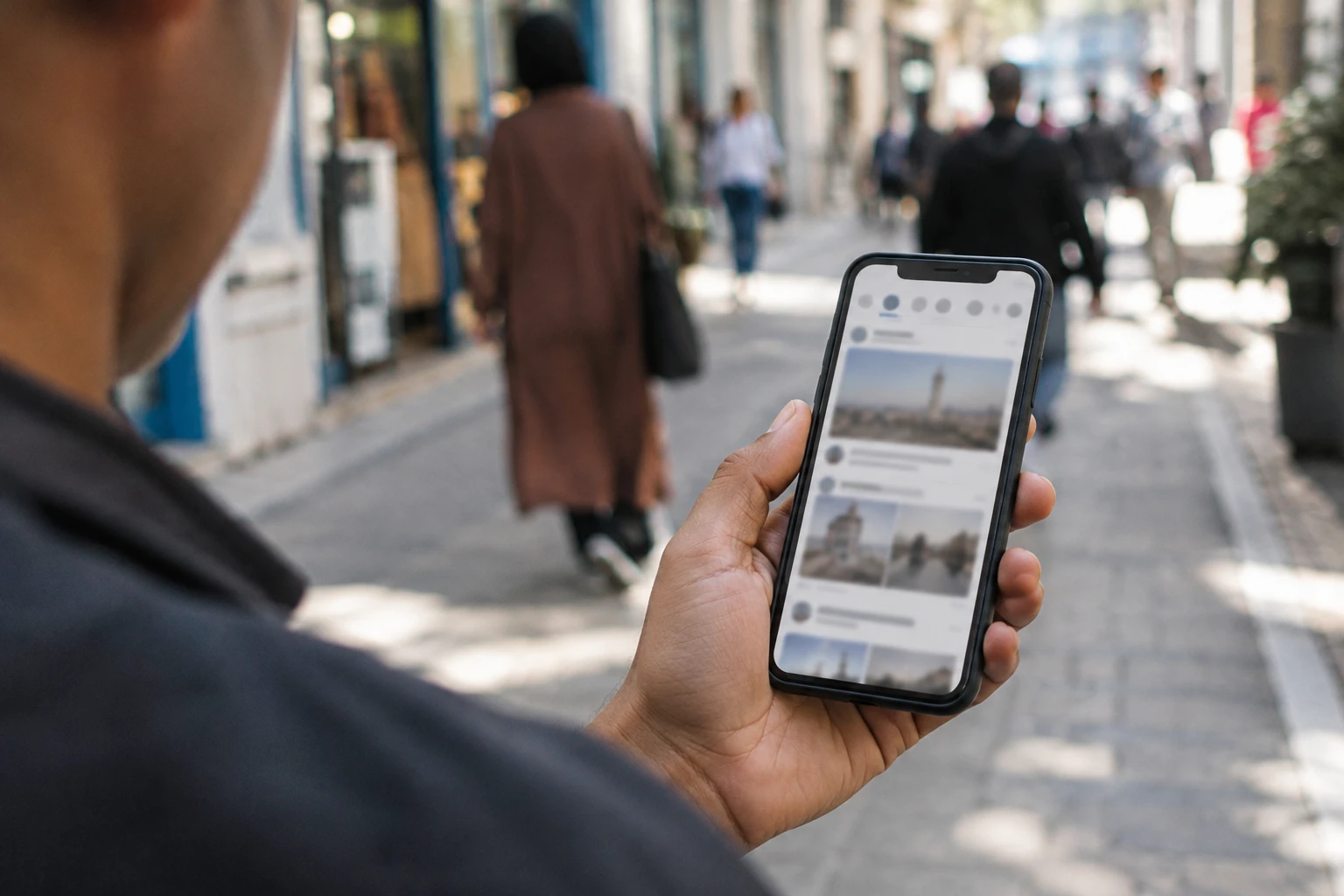
The rapid spread of unverified information has added a digital dimension to the case. False announcements, images and named accusations can harm the victim and compromise the rights of those under investigation. The authorities are responsible for communicating verified information; the media and social media users should avoid sharing material that exposes the minor or presents a hypothesis as established fact.
For Tunisia, the case raises a very concrete question: are the protections provided for by law translating into appropriate support and proceedings that respect children’s rights? The answer will depend as much on the quality of the investigation as on the continuity of care.
At the North African level, Tunisia is a member of the Arab Maghreb Union, whose political co-operation remains limited. The regional significance here lies chiefly in a shared challenge: protecting children, receiving reports and prosecuting violence without politicising cases or exposing victims. The next milestone will be developments in the court proceedings and official confirmation of details still attributed to informed sources.
Sources consulted: Mosaïque FM on the reported arrests, Tunisia Times on the initial details of the investigation, Le Courrier de l’Atlas on public reaction and victim protection, the text of Tunisian Organic Law No. 2017-58 and UNICEF Tunisia’s analysis of violence against children.