
 Algeria
 Egypt
 Libya
 Morocco
 Sudan
 Tunisia
 Benin
 Burkina Faso
 Cabo Verde
 Côte d'Ivoire
 Ghana
 Guinea
 Guinea-Bissau
 Liberia
 Mali
 Mauritania
 Niger
 Nigeria
 Senegal
 Sierra Leone
 The Gambia
 Togo
 Central African Republic
 Chad
 DR Congo
 Equatorial Guinea
 Gabon
 Republic of the Congo
 São Tomé and Príncipe
 Burundi
 Comoros
 Djibouti
 Eritrea
 Ethiopia
 Kenya
 Madagascar
 Malawi
 Mauritius
 Mozambique
 Rwanda
 Seychelles
 Somalia
 South Sudan
 Tanzania
 Uganda
 Angola
 Botswana
 Eswatini
 Lesotho
 Namibia
 South Africa
 Zambia
 Zimbabwe
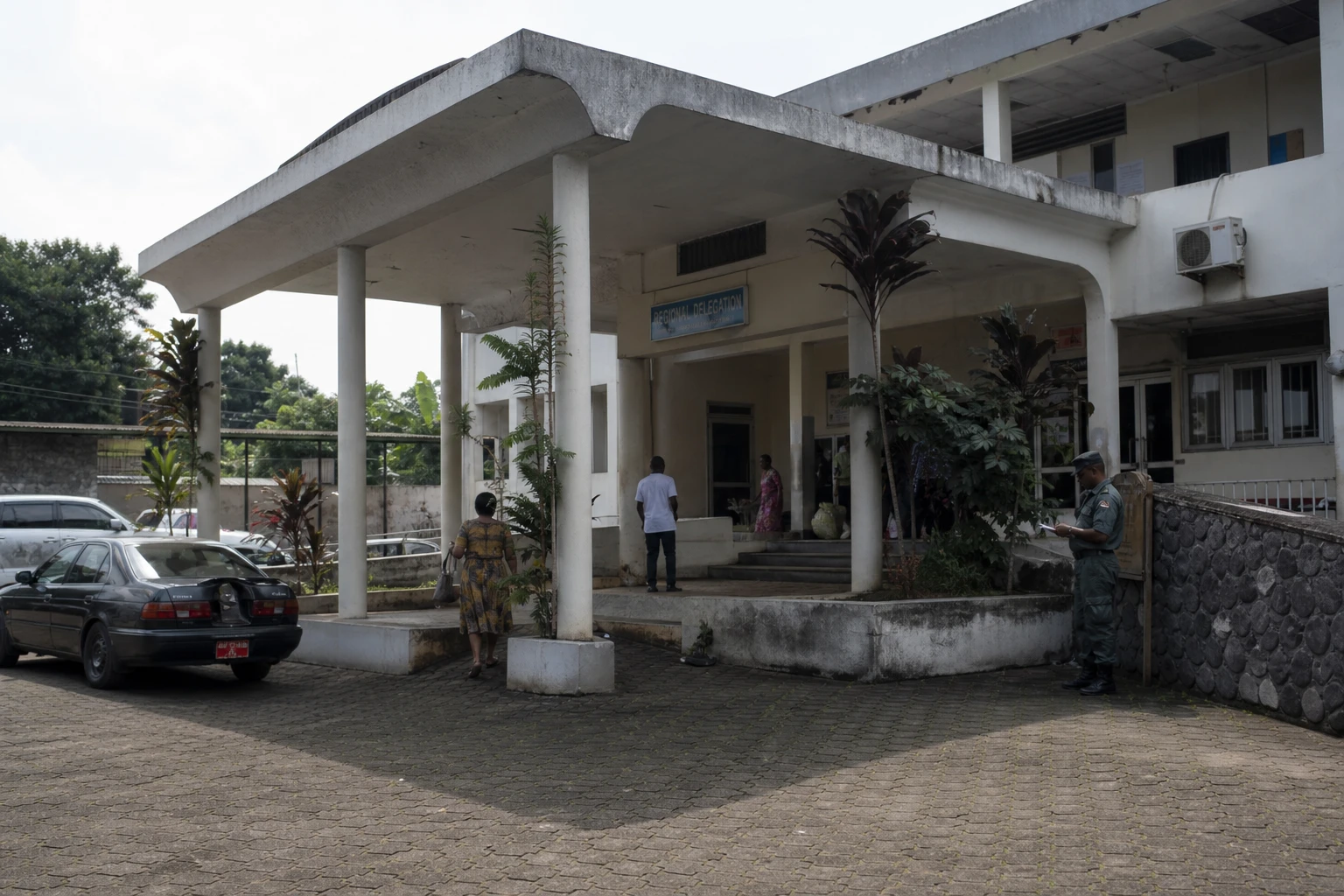
In Bamenda and Buea alike, the silence of 1 October 2026 reflects less a return to calm than a tense equilibrium. Businesses curtailed their activity, many residents stayed at home and security forces strengthened their presence in several urban centres in the anglophone regions.
The day falls on a date steeped in history. On 1 October 1961, Southern Cameroons, then under British administration, joined independent Cameroon, which had emerged from the former French trusteeship. Sixty-five years later, this reunification remains at the heart of a political and armed conflict that continues to weaken the North-West and South-West.
A national date that has become a marker of the crisis
Anglophone separatist groups had called for a new “ghost town” day on Thursday 1 October 2026. The instruction is intended to halt travel, trade and administrative activity in the two regions, which separatists often refer to as “Ambazonia”.
The move is part of a strategy used for several years. Shutdown days are meant to demonstrate the armed groups’ ability to affect daily life. They also seek to restate their opposition to the organisation of the Cameroonian state and their demand for a distinct political status for anglophone territories.
On 1 October 2017, separatists symbolically proclaimed the independence of the two regions. The announcement was not recognised by Cameroon or by regional and continental organisations. It nevertheless deepened the divide between the authorities in Yaoundé, armed groups and part of the anglophone population.
In Bamenda, the capital of the North-West, and Buea, the capital of the South-West, traffic remained limited throughout the day. Residents chose to avoid main roads. Patrols and military vehicles helped maintain an atmosphere of caution, although no major incident was reported in the information available.
A visible security response in urban centres
Cameroonian authorities had reinforced security measures amid fears of protests, attacks or roadblocks. Residents described regular patrols at several crossroads in Bamenda. Streets in Buea and neighbouring localities were also quieter than usual.
The deployment has a dual purpose. It is intended to prevent actions by separatist groups and reassure residents who wish to continue working or travelling. But it can also further constrain economic activity, especially when checks multiply on roads and around markets.
This puts particular pressure on small traders, motorbike taxi drivers, street vendors and day labourers. A day without work means an immediate loss of income for them. At the same time, disregarding the shutdown order can expose some residents to reprisals by armed groups or penalties imposed by the authorities.
The strain varies across territories. Central neighbourhoods in Bamenda and Buea have a stronger administrative and security presence. In rural areas, residents remain more exposed to illegal roadblocks, kidnappings for ransom and clashes between armed actors, according to humanitarian reports on the two regions.
The cost of a protracted crisis
The anglophone crisis began with protests by lawyers, teachers and community leaders denouncing the marginalisation of English in the justice system, education and administration. It became militarised from 2017 onwards, after the crackdown on demonstrations and the rise of separatist demands.
Since then, defence and security forces have been fighting several armed groups. The groups themselves are fragmented and do not always have a common chain of command. Human rights organisations have documented abuses attributed to both sides, including arbitrary arrests, kidnappings, executions, destruction of property and attacks on civilians.
The human toll remains difficult to establish precisely. Estimates regularly cited put the death toll at more than 6,000 since the conflict began and the number of displaced people at more than 600,000. These figures should nevertheless be presented as estimates, as access to affected areas remains limited and databases do not cover all victims.
Available humanitarian data nonetheless confirm the scale of displacement. A report on the North-West and South-West records thousands of people displaced over a few weeks in the first half of 2026, following attacks, intercommunal violence and clashes between armed actors. The same document notes an increase in protection incidents and continuing difficulties in reaching populations.
The consequences go beyond security. Children have faced repeated interruptions to their schooling. Families are split between Cameroon, Nigeria and other parts of the country. Farmers struggle to reach their fields. Local businesses operate below capacity, while health services have to contend with insecurity and staff displacement.
An issue that extends beyond Cameroon’s borders
The crisis has direct implications for the stability of Central Africa. Cameroon is a member of the Central African Economic and Monetary Community, CEMAC, which brings together several states that share common economic and financial mechanisms. Disruption in the anglophone regions affects domestic trade, routes linking the west of the country and cross-border flows with Nigeria.
The Nigerian border plays a central role. It hosts Cameroonian refugees and also serves as a transit area for people and goods and, according to the authorities, some armed groups. Any deterioration in the situation in the North-West and South-West could therefore affect communities in Cross River State and security relations between Yaoundé and Abuja.
At African Union level, the issue highlights the limits of exclusively military responses to crises involving political representation, local governance and access to public services. The major national dialogue held in Cameroon in 2019 led to several decentralisation measures and special status for the two anglophone regions. Their implementation nevertheless remains at the centre of criticism and expectations.
The day of 1 October 2026 is therefore more than a simple episode of urban shutdown. It reveals the persistence of a struggle in which each side seeks to control public space. For residents of Bamenda, Buea and surrounding rural areas, the immediate concern is more concrete: being able to travel, work, send children to school and access healthcare without having to choose between several risks.



