
 Algeria
 Egypt
 Libya
 Morocco
 Sudan
 Tunisia
 Benin
 Burkina Faso
 Cabo Verde
 Côte d'Ivoire
 Ghana
 Guinea
 Guinea-Bissau
 Liberia
 Mali
 Mauritania
 Niger
 Nigeria
 Senegal
 Sierra Leone
 The Gambia
 Togo
 Central African Republic
 Chad
 DR Congo
 Equatorial Guinea
 Gabon
 Republic of the Congo
 São Tomé and Príncipe
 Burundi
 Comoros
 Djibouti
 Eritrea
 Ethiopia
 Kenya
 Madagascar
 Malawi
 Mauritius
 Mozambique
 Rwanda
 Seychelles
 Somalia
 South Sudan
 Tanzania
 Uganda
 Angola
 Botswana
 Eswatini
 Lesotho
 Namibia
 South Africa
 Zambia
 Zimbabwe
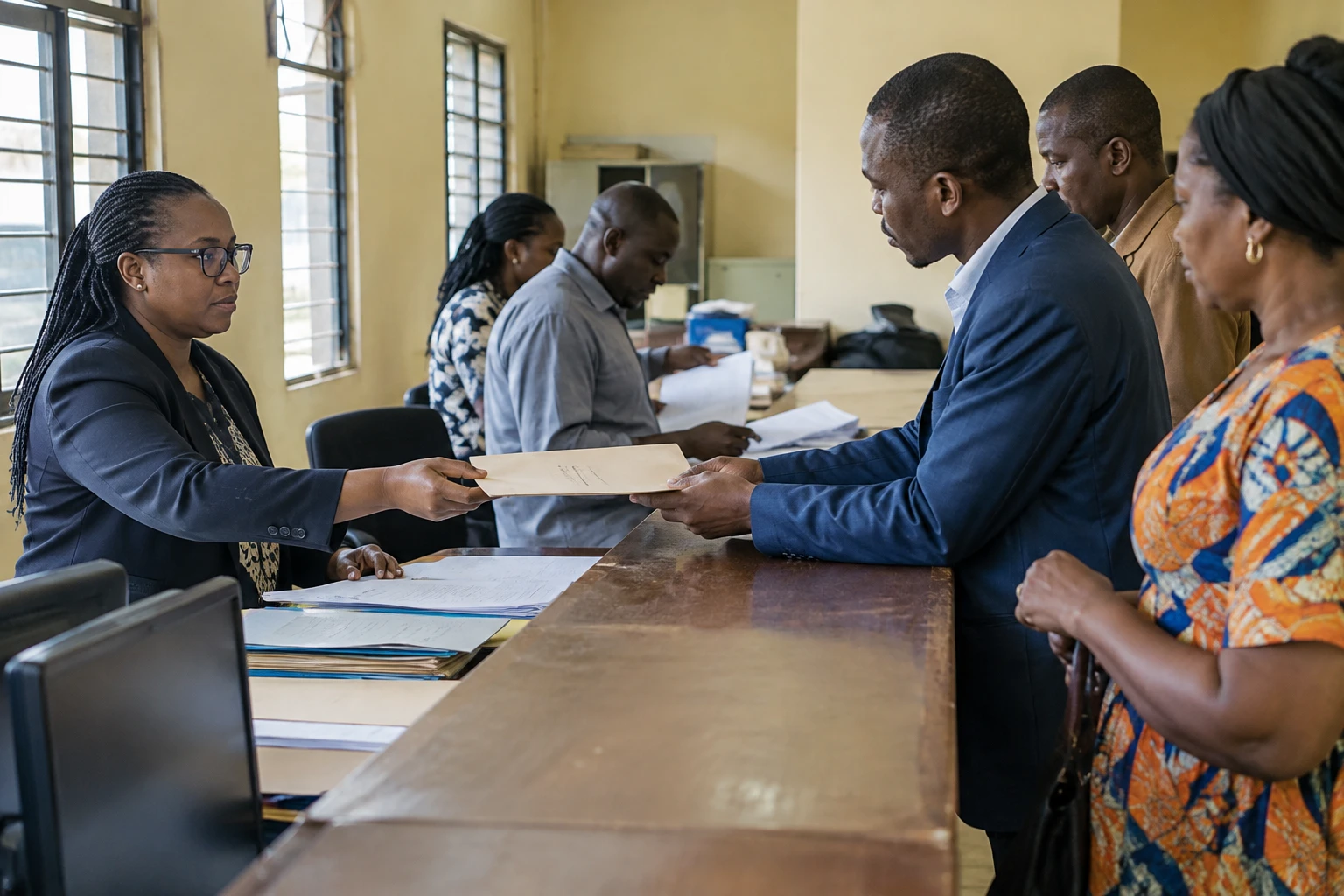
In Yaoundé, as in communities far from the capital, the next elections will be decided well before polling stations open. For Cameroon’s parties, the first test is now to select their candidates and submit complete files within a tight deadline.
Dual elections after several postponements
On 7 February 2027, Cameroonians are due to elect their MPs and municipal councillors. President Paul Biya called voters to the polls in a decree signed on 9 November 2026, according to the Pan-African News Agency and the public daily Cameroon Tribune. Polling is scheduled from 8am to 6pm.
The vote comes after several extensions of elected officials’ terms, with elections expected in 2025 and then in 2026. Setting a date therefore gives political parties and voters a point of reference. It does not settle questions about how the vote will be organised or confidence in the process.
The elections concern two levels of government. Legislative elections renew the National Assembly, while municipal elections determine the composition of communal councils, which have direct responsibility for local services. Holding them simultaneously concentrates electoral operations, but also requires parties to prepare two types of candidacy in parallel.
Fifteen days to finalise candidacies
The first deadline is midnight on 24 November. Candidates and parties must submit their files to the relevant offices of Elections Cameroon (ELECAM), the body responsible for organising and supervising elections. Submission points vary according to the election: municipal candidacies go through communal branches, while legislative files are submitted to divisional offices or the Directorate-General of Elections.
The file includes several administrative documents, including proof of identity and eligibility, a certificate of registration on an electoral roll, payment of the deposit and party endorsement. For municipal elections, proof of domicile or residence in the commune concerned is also required. These rules are set out in the Electoral Code and filing procedures.
The timetable therefore compresses a politically sensitive stage. National leaderships must arbitrate between the ambitions of party officials, local balances and the need to submit admissible lists. In communes, candidate selection can determine who is able to campaign and defend the results before voters.
Within the Cameroon People’s Democratic Movement (CPDM), the ruling party, nominations could reignite disagreements between local officials and national bodies. Calls for internal primaries have been reported, but the process adopted for each candidacy will have to be assessed on the basis of the party’s official decisions.
Opposition parties face other constraints: covering enough constituencies, assembling the required documents and finding candidates capable of challenging well-established local officials. Some are seeking to broaden their teams beyond party cadres. The short deadline, however, leaves little time to negotiate alliances and put together strong lists.
ELECAM at the centre of the next steps
After submissions close, ELECAM will have to examine the files, verify their compliance and deal with any appeals. The period announced for these operations runs from 25 November to 22 January 2027, before the final list of approved candidates is published. Rejections and challenges will be handled through the channels provided for in electoral law.
The official campaign is then due to open on 23 January and end at midnight on 6 February. The dates are in line with the general provisions of the Electoral Code: the campaign begins 15 days before the vote and ends at midnight on the eve of polling day. The same law requires at least 90 days between publication of the decree calling the election and the vote. These rules are set out in the Electoral Code published by ELECAM.
Meeting administrative deadlines alone will not be enough to ensure a transparent contest. The parties’ ability to monitor proceedings, the availability of practical information and the handling of challenges will also shape perceptions of the vote. For voters, the stakes are both national and tangible: representation in the Assembly, as well as municipal decisions in their commune.
A national contest with regional echoes
The last legislative elections, held in February 2020, gave the CPDM 152 of the National Assembly’s 180 seats, according to the Pan-African News Agency. The next vote will show how parliamentary and local balances of power have changed since then. The two levels should not, however, be conflated: a national trend does not automatically predict the balance in each commune.
For those in office, the election concerns the renewal of mandates and institutions. For rival parties, the coming weeks will test their organisational capacity as much as their political choices. For residents, municipal elections concern authorities responsible for day-to-day affairs, while MPs take part in national legislative work.
At regional level, Cameroon is a member of the Central African Economic and Monetary Community (CEMAC), which brings together six states in economic and monetary co-operation. The vote remains a national affair, but its conduct will be watched across a subregion facing its own challenges of governance and institutional renewal. The next dates to watch are now clear: candidate submissions close on 24 November, the final lists are expected to be published before the campaign, and voting takes place on 7 February 2027.



