Algeria
 Egypt
 Libya
 Morocco
 Sudan
 Tunisia
 Benin
 Burkina Faso
 Cabo Verde
 Côte d'Ivoire
 Ghana
 Guinea
 Guinea-Bissau
 Liberia
 Mauritania
 Niger
 Nigeria
 Senegal
 Sierra Leone
 The Gambia
 Togo
 Cameroon
 Central African Republic
 Chad
 DR Congo
 Equatorial Guinea
 Gabon
 Republic of the Congo
 São Tomé and Príncipe
 Burundi
 Comoros
 Djibouti
 Eritrea
 Ethiopia
 Kenya
 Madagascar
 Malawi
 Mauritius
 Mozambique
 Rwanda
 Seychelles
 Somalia
 South Sudan
 Tanzania
 Uganda
 Angola
 Botswana
 Eswatini
 Lesotho
 Namibia
 South Africa
 Zambia
 Zimbabwe
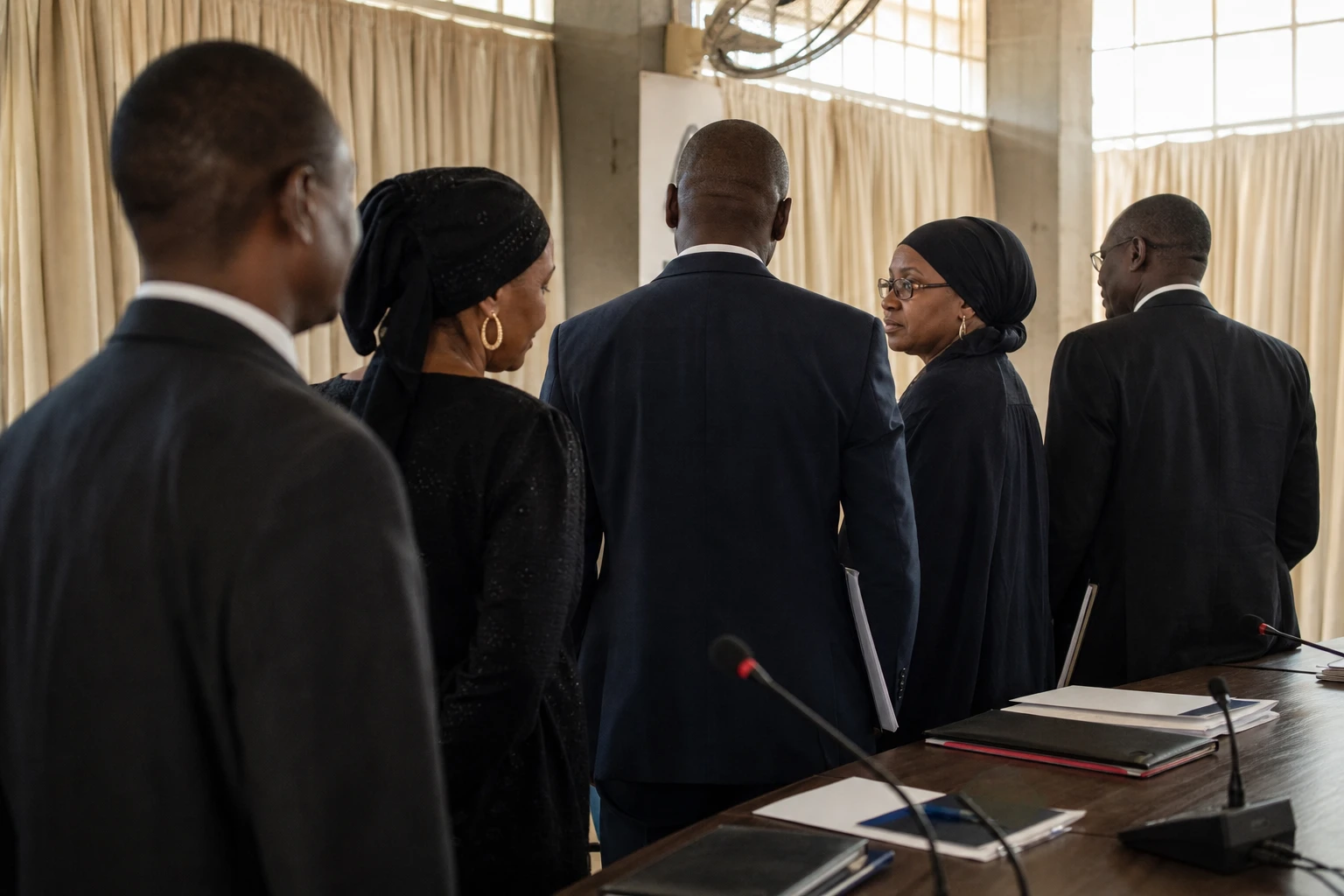
In western Mali, the passage of a military column can now transform life in a market, a village or a family within hours. A report published on 29 September 2026 raises a central question: can the fight against armed groups be waged without exposing civilians to further violence?
Operations concentrated near the Mauritanian border
Amnesty International says members of the Malian Armed Forces (FAMa) and the Wagner Group committed war crimes during joint operations conducted between June 2023 and December 2025. The organisation cites killings, torture, enforced disappearances and population displacement.
Its report, entitled “No one is spared”, documents the deaths of at least 34 civilians in seven Malian localities along the border with Mauritania. The incidents are said to have affected the regions of Kayes, Koulikoro and Timbuktu in particular, in areas where residents live amid pressure from armed groups, state operations and the constraints of cross-border trade.
The organisation says its findings were sent to the Malian authorities on 3 August 2026. At this stage, the allegations remain attributed to Amnesty International’s report. They therefore call for independent judicial investigations capable of establishing individual responsibility and the chain of command.
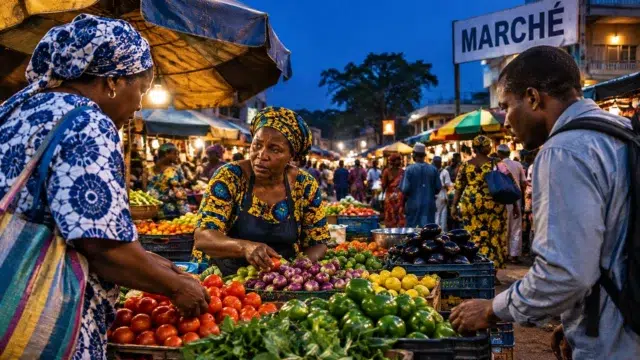
The document also cites two drone strikes carried out by FAMa. The first is said to have hit a market in Ejdeir, in the Timbuktu region, on 16 March 2025. The second reportedly targeted a family home in Tangata in November 2025. Amnesty International estimates that the two operations killed at least 23 people, including at least five children.
These figures should be treated with caution. Access to attack sites remains difficult in rural Mali. Families may also choose not to testify, for fear of reprisals or because they lack security guarantees. The actual toll may therefore differ from the figures currently documented.
Security cooperation becomes an issue of accountability
The Wagner Group began operating in Mali in late 2021, under a security partnership agreed after Bamako’s gradual break with several Western partners. Its fighters took part in operations alongside the Malian army, particularly in the centre and north of the country.
In June 2025, Wagner announced its departure from Mali. The Russian presence has not, however, disappeared. Africa Corps, a structure under the control of Russia’s Ministry of Defence, took over as part of cooperation between Bamako and Moscow. This change complicates the assessment of responsibility: names, statuses and chains of command have changed, but the presence of Russian personnel has continued.
A United Nations report published in 2025 had already raised serious concerns about Malian forces and their foreign partners. It cited mass arrests, alleged executions and disappearances in several regions. The UN independent expert also said that the Malian authorities had rejected some allegations as unfounded, while stating that investigations were under way.
This convergence between several sources does not amount to a court ruling. It does, however, show that the allegations are not based on a single isolated account. Above all, it underscores the need to preserve evidence, protect victims and allow Malian judges to investigate without pressure.
The human cost extends beyond combat zones
Military operations directly affect rural communities. When a village is suspected of harbouring fighters, residents may face searches, arrests or restrictions on movement. Traders then lose access to markets. Herders can no longer take their livestock to pasture. Families sometimes leave their homes without knowing when they will be able to return.
The consequences are not the same for everyone. Women often have to provide for their households alone after a relative is arrested or disappears. Young men are more exposed to checks and detention. Peul, Tuareg and Arab communities may also face collective suspicion when social identity or place of origin is conflated with membership of an armed group.
In cities, debate focuses mainly on national security and the recovery of territory. In rural areas, the priorities are often more immediate: being able to travel, sell crops, reach a health centre and avoid reprisals. This difference explains why official claims of military success are not enough to measure the situation experienced by communities.
Armed groups are also responsible for serious violations. Jama’at Nusrat al-Islam wal-Muslimin, or JNIM, and groups linked to Islamic State in the Sahel have attacked civilians, imposed blockades and threatened communities that cooperate with the state. Condemning these crimes cannot, however, be used to set aside the obligations binding government forces and their allies.
A case with implications beyond Mali
The case comes amid a period of regional realignment. Mali, Burkina Faso and Niger officially left the Economic Community of West African States, ECOWAS, on 29 January 2025. The three countries have strengthened cooperation within the Alliance of Sahel States, created to coordinate their political, diplomatic and security choices.
Leaving ECOWAS has not severed ties between populations. The regional organisation has maintained, on a transitional basis, recognition of national documents, the movement of citizens and some commercial exchanges. Yet the weakening of shared regional mechanisms may make it harder to monitor violations and cooperate on judicial matters between neighbouring countries.
The Mauritanian border illustrates this regional dimension. Displaced people may seek refuge in Mauritania, while families who remain in Mali depend on trade routes and cross-border community networks. Any new military operation can therefore have effects beyond Malian territory.
What happens next depends on the response from the authorities in Bamako. A credible investigation should identify the units involved, verify the circumstances of the strikes, hear survivors and determine whether officials authorised or covered up abuses. It should also examine the role of foreign partners, without conflating political, command and criminal responsibility.
For Mali’s population, the issue remains tangible: obtaining security without losing the right to life, justice and dignity. For the West African region, the case raises a broader question about military partnerships: their effectiveness cannot be judged solely by the number of positions retaken, but also by the genuine protection of civilians.