
 Algeria
 Egypt
 Libya
 Sudan
 Tunisia
 Benin
 Burkina Faso
 Cabo Verde
 Côte d'Ivoire
 Ghana
 Guinea
 Guinea-Bissau
 Liberia
 Mali
 Mauritania
 Niger
 Nigeria
 Senegal
 Sierra Leone
 The Gambia
 Togo
 Cameroon
 Central African Republic
 Chad
 DR Congo
 Equatorial Guinea
 Gabon
 Republic of the Congo
 São Tomé and Príncipe
 Burundi
 Comoros
 Djibouti
 Eritrea
 Ethiopia
 Kenya
 Madagascar
 Malawi
 Mauritius
 Mozambique
 Rwanda
 Seychelles
 Somalia
 South Sudan
 Tanzania
 Uganda
 Angola
 Botswana
 Eswatini
 Lesotho
 Namibia
 South Africa
 Zambia
 Zimbabwe
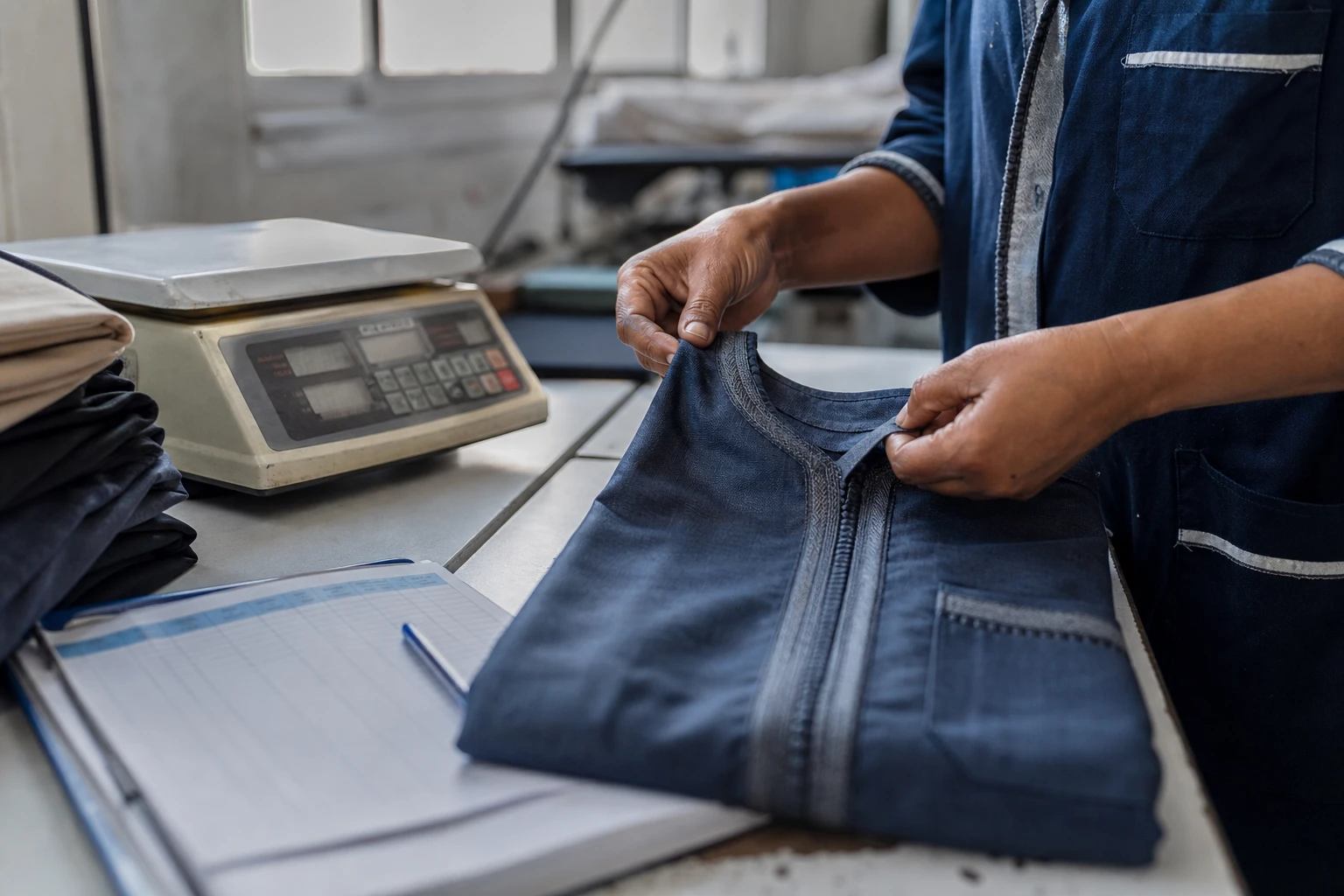
For Morocco’s textile manufacturers, Germany remains a market to win rather than one fully exploited. In Rabat, Casablanca and Tangier, the challenge goes beyond finding new clients: it is about positioning Moroccan products more effectively against the quality, traceability and sustainability requirements that now shape European purchasing.
A Moroccan industry seeking a new European balance
Textiles and clothing remain one of Morocco’s largest industrial employers, behind the automotive sector. The industry is also among the main contributors to manufactured exports, with sales heavily concentrated in France and Spain.
This concentration provides a solid base, but it also exposes Moroccan companies to shifts in a small number of partner markets. Diversifying into Germany is therefore an industrial strategy. It aims to broaden sales opportunities, stabilise order books and spread commercial risks more widely.
Morocco also benefits from an important geographical advantage. Its companies can supply European buyers quickly, with shorter lead times than many Asian suppliers. But this is no longer enough. Buyers also demand the ability to produce small runs, meet high social and environmental standards and ensure precise traceability.
At regional level, this strategy is part of Morocco’s economic integration with the European Union. In 2025, the EU accounted for 33.7 % of the Kingdom’s trade in goods. Textiles made up 11.4 % of EU imports from Morocco, or about €2.9 billion. The European Commission’s trade data confirm the central importance of the European market to Moroccan industry.
Mapping the market to turn contacts into contracts
The Swiss Import Promotion Programme, SIPPO, is preparing a market study for the Moroccan Association of Textile and Clothing Industries. Its aim is to create an operational map of the German sector.
The assignment, scheduled for the second half of 2026 and lasting 45 days, is to identify buyers, brands, distributors, sourcing companies and professional organisations that could work with Moroccan businesses. It will also examine sought-after products, volumes, quality levels and sustainability requirements.
The project also includes a directory of contacts and a calendar of trade fairs. These tools are intended to help AMITH member companies target their outreach more effectively. The goal is practical: to move from general prospecting to a segmented approach based on the actual needs of German buyers.
The call for tenders published by SIPPO Morocco says the study will cover market structure, trade flows, the most relevant German regions and opportunities to connect businesses. The public description of the assignment also mentions demand for contract manufacturing, finished products and solutions with a stronger sustainability focus.
The initiative follows several steps taken in 2025. On 18 June, an AMITH delegation met Hugo Boss’s management in Metzingen. The German company was already producing some of its collections in Morocco and was looking to identify new partners that met its industrial standards. AMITH’s newsletter reported on the meeting and the interest in quality, traceability and supplier reliability.
A month later, on 22 July 2025, a Moroccan trade mission took place in Düsseldorf. Moroccan companies met several buyers, including C&A, Comma, Galeria, Peek & Cloppenburg and S.Oliver. AMITH’s sector report describes the meeting as a targeted business-matching exercise.
Engagement continued with a visit to Morocco by a delegation from the German Dialog Textil-Bekleidung network. According to SIPPO, the delegation included representatives from buyers, brands, logistics, industrial equipment and the circular economy. SIPPO documented this phase of co-operation.
A large market, but with established competition
Germany is Europe’s largest market by value for many industrial and consumer products. Trade data cited in the available sector material put its imports of textiles and clothing at about $53 billion in 2025, following two years of decline.
These figures should, however, be interpreted with caution. Results vary according to the customs categories used, exchange rates and the scope chosen across textiles, clothing, footwear and made-up articles. International databases therefore do not always report the same total.
UN database figures used by Trading Economics put Moroccan exports to Germany in 2025 at $169.4 million for knitted clothing and $146.1 million for non-knitted clothing. They add $43.2 million for certain made-up textile articles. These bilateral trade figures confirm that Morocco has a real presence, but one that remains limited in the German market.
Competition is dominated by suppliers with substantial industrial capacity. China, Bangladesh, Turkey, Vietnam, Pakistan, India and Cambodia already hold strong positions with German importers.
Morocco cannot therefore compete on price alone. Its strategy relies more on proximity, flexibility, speed of delivery and the ability to help brands reduce their environmental footprint.
Sustainability becomes a commercial filter
For Moroccan companies, access to the German market will also depend on their ability to document their practices. Buyers want to know the origin of materials, production conditions, water and energy consumption, and waste management.
This shift could benefit companies already modernising their workshops. It could, however, put greater pressure on smaller businesses, which have limited resources to fund certifications, audits and traceability systems.
The new market map will therefore need to serve several purposes. It should direct major manufacturers towards suitable buyers, while also helping mid-sized companies understand the German market’s thresholds and requirements.
For workers and Morocco’s industrial centres, new contracts could support employment and investment. The benefits will not, however, be evenly distributed. Companies close to logistics hubs and able to supply runs that meet European standards will have an advantage over less integrated businesses.
A test of Moroccan industry’s internationalisation
The German initiative goes beyond textiles. It tests Morocco’s ability to turn its industrial ties into more diverse and technologically advanced partnerships.
The Kingdom is already seeking to strengthen its value chains in automotive, aerospace, agribusiness and renewable energy. In this landscape, textiles must retain their place by moving upmarket and developing more responsible products.
The next step will be carrying out the study and converting contacts into regular orders. Attention will need to focus on targeted trade fairs, agreements concluded with German buyers and Moroccan companies’ ability to meet new European requirements.
If the strategy succeeds, Germany could become an additional market for Moroccan industry. It will not replace France or Spain, but it could help make the Kingdom’s exports more balanced, resilient and closely integrated with changes in the European market.



