Algeria
 Egypt
 Libya
 Morocco
 Sudan
 Tunisia
 Benin
 Burkina Faso
 Cabo Verde
 Côte d'Ivoire
 Ghana
 Guinea
 Guinea-Bissau
 Liberia
 Mali
 Mauritania
 Niger
 Nigeria
 Sierra Leone
 The Gambia
 Togo
 Cameroon
 Central African Republic
 Chad
 DR Congo
 Equatorial Guinea
 Gabon
 Republic of the Congo
 São Tomé and Príncipe
 Burundi
 Comoros
 Djibouti
 Eritrea
 Ethiopia
 Kenya
 Madagascar
 Malawi
 Mauritius
 Mozambique
 Rwanda
 Seychelles
 Somalia
 South Sudan
 Tanzania
 Uganda
 Angola
 Botswana
 Eswatini
 Lesotho
 Namibia
 South Africa
 Zambia
 Zimbabwe
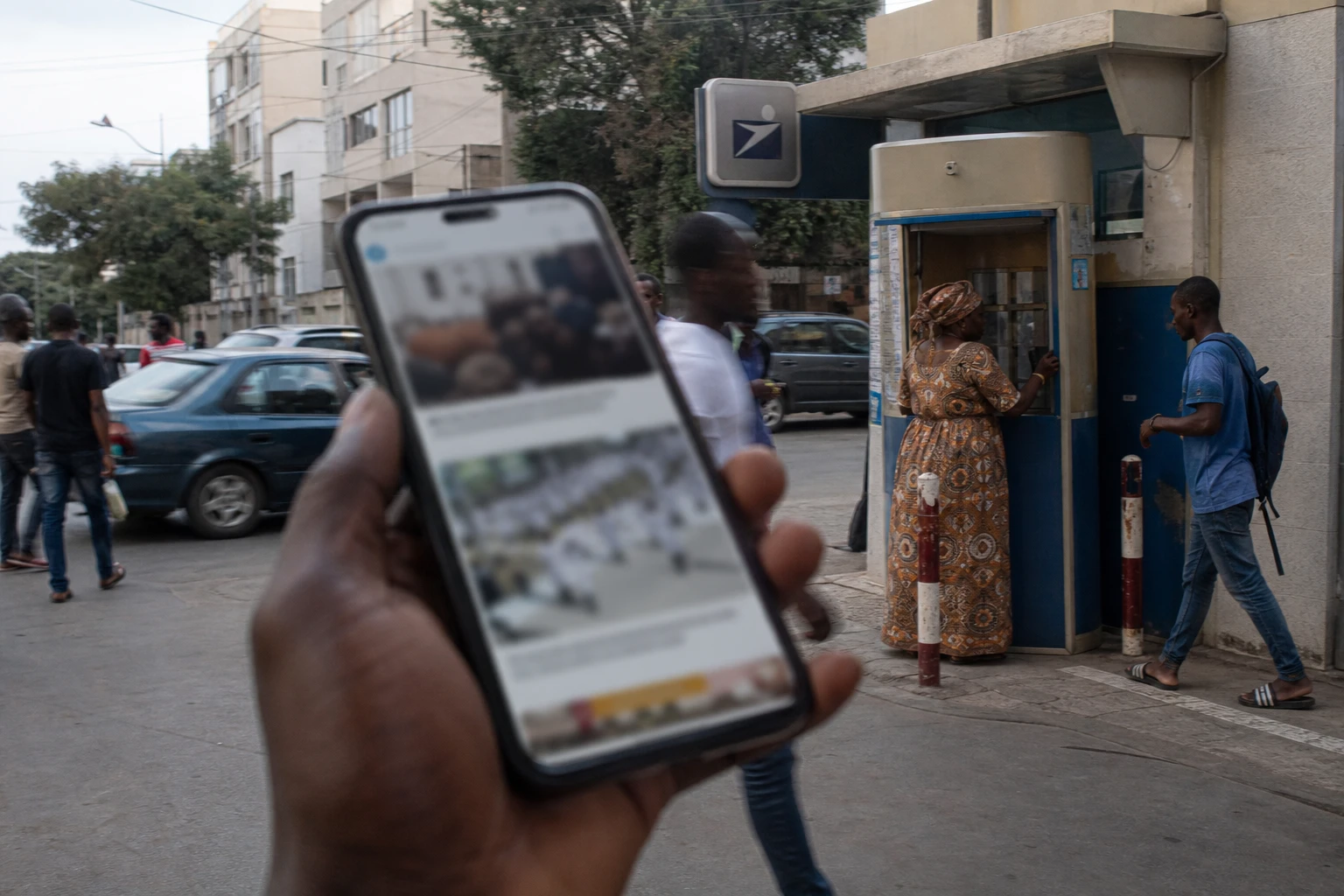
In Dakar, proceedings involving a major figure in Senegalese sport have brought “black banknotes” back into the spotlight. The scam involves blackened notes presented as real dollars that can be restored using chemicals. In practice, victims risk paying for bundles of worthless paper.
A gendarmerie operation in Dakar
Oumar Kane, known to the public as Reug-Reug, was arrested on Thursday 24 September 2026 by the Faidherbe Research Brigade in Dakar. The wrestler and MMA champion is suspected of having taken part in an alleged counterfeit-currency operation.
According to several accounts in the Senegalese press that broadly tally, the investigation began after information was received on 20 September. Individuals had reportedly been looking for someone able to “wash” black banknotes. Investigators decided to infiltrate the network by posing as specialist technicians.
The operation is said to have enabled several meetings to be arranged. One suspect was reportedly arrested before leading the gendarmes to other people. Investigators then reportedly turned their attention to someone close to Reug-Reug, and later to the sportsman himself. The details of this sequence remain tied to the evidence gathered in the investigation and do not yet amount to a judicial ruling.
According to the information available, Reug-Reug reportedly arrived with a cardboard box containing blackened materials described as $100 bills. Their stated equivalent value was 830 million CFA francs. Some accounts also refer to 750 million CFA francs in connection with the goods brought by the wrestler.
These figures do not necessarily correspond to two separate seizures. They may refer to different estimates made during the operation. At this stage, the figure of 830 million CFA francs should be presented as an estimate attributed to investigators, not as a value definitively established by a court.
Suspects under investigation, roles yet to be established
Investigators reportedly also seized a vehicle used to transport the blackened materials. The Senegalese press initially reported that five people had been arrested. Subsequent reports instead refer to three people held in police custody, including Oumar Kane, a member of his family and a man described as a saltigué, meaning a practitioner involved in certain rites and mystical practices.
This discrepancy may be explained by the difference between the total number of people arrested during the operation and the number ultimately kept at the investigators’ disposal. The judicial authorities will have to clarify the matter. Other individuals are reportedly being sought, but this information has not yet been substantiated by a detailed official account.
The charges cited in reports on the case include criminal conspiracy and counterfeiting legal-tender banknotes. Attempted bribery has also been mentioned in some accounts. Here too, the charges may change as the proceedings continue.
The next expected step is for the people concerned to be brought before the public prosecutor. The announced schedule points to Monday 28 September 2026. This hearing or appearance before the prosecutor will not prejudge their guilt. In Senegal, as in the other member states of the Economic Community of West African States, the presumption of innocence remains a central principle of criminal proceedings.
The National Association of Wrestlers of Senegal has expressed dismay while calling for this principle to be respected. Its response reflects Reug-Reug’s particular standing in the national sporting arena. After his successes in wrestling and his MMA world title, his name is known far beyond the combat sports community.
How “black banknotes” work
The method described in this case is not new in Senegal. Scammers present blackened notes as dollars or euros coated in a substance that prevents them from being used. They then promise to make them valid through a chemical “washing” process, sometimes in exchange for large sums of money.
The terminology used can give the impression of a sophisticated financial operation. Yet the method often relies on manipulation, the promise of quick profit and the staged display of technical expertise. The materials presented may be nothing more than cut-up paper or crude reproductions, with no monetary value.
Senegalese authorities have previously reported several operations to combat counterfeiting in Dakar and other regions. In May 2025, a seizure of blackened dollar and euro notes was reported in the Dakar suburbs. The phenomenon therefore involves both criminal networks and scams targeting individuals with cash on hand.
The risk is twofold. The circulation of counterfeit banknotes can undermine confidence in transactions. At the same time, people who are deceived may lose considerable sums without ever receiving usable currency. Informal activities, which are widespread in Senegal’s economy, are particularly exposed when exchanges take place without immediate bank verification.
A case attracting attention beyond sport
These proceedings concern more than the image of a champion. They shed light on the investigative methods used against suspected counterfeiting networks. The infiltration, controlled meetings and seizure of physical materials will now have to be examined by the courts.
The case also highlights the issues surrounding currency circulation in West Africa. The CFA franc is used in several member countries of the West African Economic and Monetary Union, while the dollar and euro are regularly used in international exchanges, trade and some informal transactions. Any counterfeit-currency case could therefore extend beyond Senegal, even though no regional link has been established in the current case.
For Reug-Reug, the immediate issue is judicial. For Senegal, the case raises a broader question: how can the detection of counterfeiting be strengthened without turning every rumour into a public conviction? The answer will depend on the procedural steps, expert assessments of the seized materials and decisions by the public prosecutor and then the judges.
The case should therefore be followed cautiously in the coming days. The expected clarifications will include the exact number of people still in police custody, the nature of the materials seized, the role attributed to each person and whether there are any further links. Until these steps have been completed, established facts must be distinguished from reported accusations.