Algeria
 Egypt
 Libya
 Morocco
 Sudan
 Tunisia
 Benin
 Cabo Verde
 Côte d'Ivoire
 Ghana
 Guinea
 Guinea-Bissau
 Liberia
 Mali
 Mauritania
 Niger
 Nigeria
 Senegal
 Sierra Leone
 The Gambia
 Togo
 Cameroon
 Central African Republic
 Chad
 DR Congo
 Equatorial Guinea
 Gabon
 Republic of the Congo
 São Tomé and Príncipe
 Burundi
 Comoros
 Djibouti
 Eritrea
 Ethiopia
 Kenya
 Madagascar
 Malawi
 Mauritius
 Mozambique
 Rwanda
 Seychelles
 Somalia
 South Sudan
 Tanzania
 Uganda
 Angola
 Botswana
 Eswatini
 Lesotho
 Namibia
 South Africa
 Zambia
 Zimbabwe
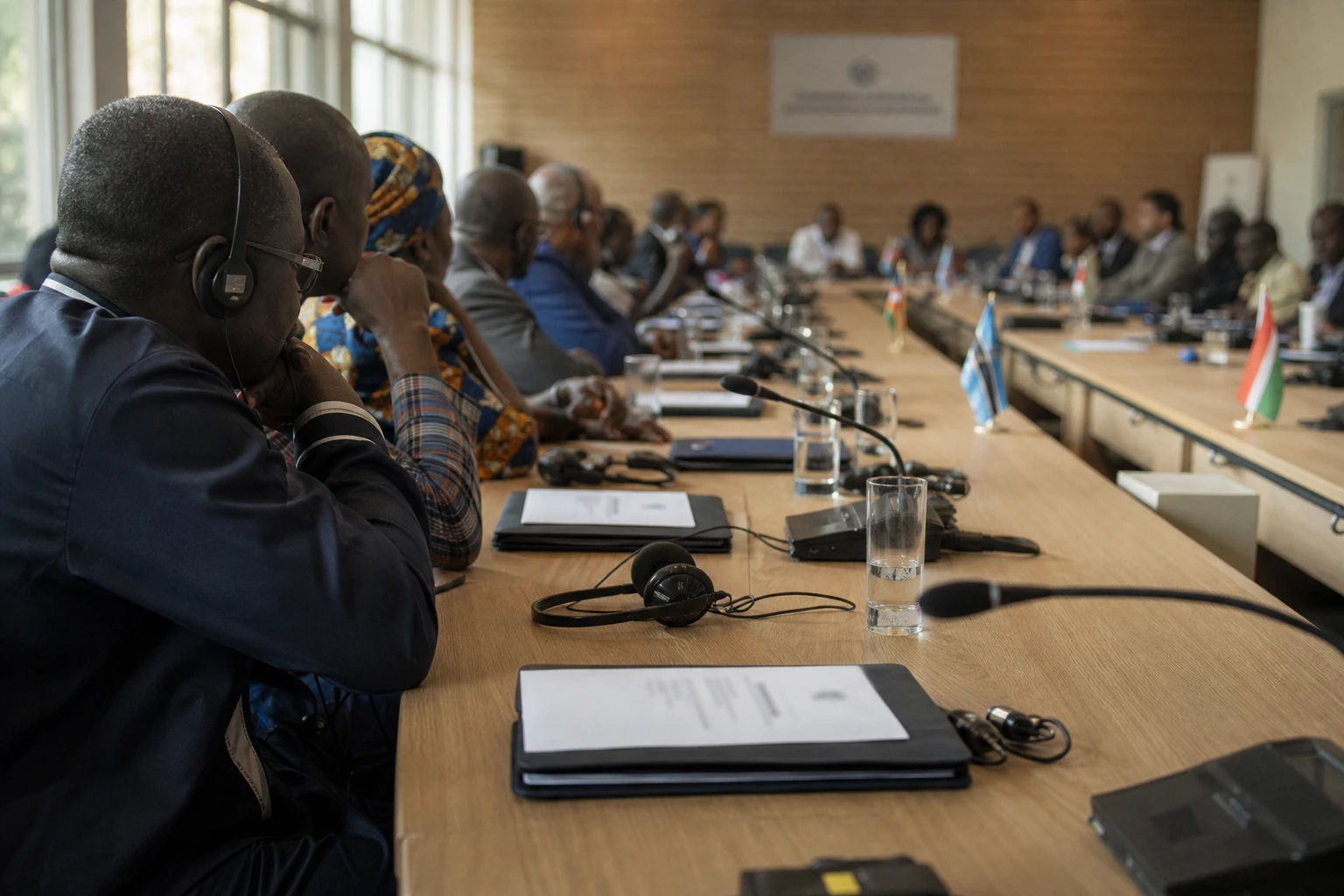
In Burkina Faso, efforts to tackle priority diseases increasingly rely on a combination of tools. In Ouagadougou and rural areas alike, bed nets, vaccination and community surveillance must work together. The same approach is reflected in several health issues followed across Africa this week.
Burkina Faso scales up malaria prevention
Burkina Faso distributed about 15 million long-lasting insecticidal nets during the 2025-2026 period. The operation aims to reduce exposure to mosquitoes at night, the main vectors of malaria.
The campaign is part of a broader strategy. It combines bed nets, malaria vaccination and seasonal chemoprevention, which involves giving preventive medicines to young children during months of high transmission.
Initial results reported by the Burkinabè authorities show a significant fall in the malaria burden in 2025. Cases fell from 10,805,020 in 2024 to 7,329,278 in 2025. Deaths declined from 3,523 to 1,979 over the same period.
These figures should, however, be treated with caution. A national decline does not mean that every region is seeing the same trend. Access to health centres remains more difficult in remote areas or those affected by insecurity. The availability of medicines, confirmation of diagnoses and effective use of bed nets therefore remain critical.
Burkina Faso also expanded malaria vaccination nationwide from August 2025. The RTS,S vaccine does not replace bed nets or rapid diagnosis. It adds protection aimed primarily at children, who bear a heavy share of the disease burden.
For families, the stakes are very practical. Effective prevention reduces clinic visits, transport costs and school absences. For health services, it also frees up capacity at a time when centres must respond to several emergencies at once.
Breast cancer: bringing initial diagnosis closer to patients
On 21 September 2026, the World Health Organization Regional Office for Africa presented a manual on assessing suspected breast cancer symptoms in primary care settings.
The document is aimed in particular at nurses, midwives, doctors and clinical officers. It sets out a method for examining symptoms, identifying warning signs, advising patients and arranging referrals for imaging, pathology or treatment services.
The focus on primary care reflects realities on the ground. In many African countries, a woman who finds a lump or notices a change in her breast first visits a dispensary, community health centre or general facility. She does not go directly to an oncology unit.
According to WHO, more than 70% of breast cancers are diagnosed at an advanced stage in most countries in the African Region. Several months can pass between the onset of symptoms and access to appropriate care.
The manual therefore prioritises early diagnosis for women with symptoms. This differs from systematic mammography screening, which requires equipment, specialists and a sufficiently developed care pathway.
The challenge is not limited to identifying an abnormality. Patients must also be prevented from getting lost between the initial examination, imaging, biopsy and treatment. The manual therefore stresses patient navigation: support to facilitate appointments, medical referrals and follow-up.
This approach can reduce inequalities between capitals and outlying areas. It nevertheless requires clearly defined referral pathways, accessible transport and specialist services able to see patients within a reasonable time.
Cholera response around Lake Chad becomes regional
Cholera highlights another limitation of responses confined to national borders. On 22 September 2026, WHO and the King Salman Humanitarian Aid and Relief Centre signed a $5.327 million agreement to strengthen preparedness and response in the Lake Chad basin.
The programme covers Cameroon, Chad, Mali, Niger and Nigeria. It provides for action on water, hygiene and sanitation, as well as epidemiological surveillance, supplies of medicines and the rehabilitation of some health infrastructure.
The approach is cross-border. People move between territories, while watersheds and water networks do not follow administrative boundaries. An outbreak detected late in one area can therefore reach several countries before a co-ordinated response is put in place.
Funding remains central. More than 61,000 cholera cases were reported in the African Region during the first five months of 2026, according to WHO. Nigeria then had the region’s largest outbreak, with more than 50,000 cases and 338 deaths since January, according to data provided by the organisation.
The announced funding will have lasting impact only if it strengthens local services. Boreholes, latrines and medical supplies are essential. But rapid detection by community health workers is just as important, particularly in rural areas and sites hosting displaced people.
DR Congo on alert amid Ebola outbreak
In the Democratic Republic of the Congo, the Ebola virus disease outbreak linked to the Bundibugyo virus continues to mobilise the national authorities, WHO and Africa CDC, the African Union’s public health agency.
WHO’s regional bulletin dated 20 September 2026 reports that the outbreak has spread to the Dungu health zone in Haut-Uélé, near the border with South Sudan. This development underscores the need for surveillance at crossing points and co-ordination between neighbouring countries.
In Kinshasa, Congolese authorities and their partners launched a revised 180-day plan on 4 September. It is intended to co-ordinate surveillance, care, vaccination of people exposed, protection of health workers and dialogue with communities.
The health response must also take account of funeral practices and residents’ trust. A strategy imposed without explanation can delay the reporting of symptoms. By contrast, involving local leaders and community health workers helps secure acceptance of protective measures.
A shared priority: detect earlier, act closer to communities
From malaria in Burkina Faso to cholera in the Lake Chad basin, the same lessons emerge. Prevention depends on more than major announcements. It rests on primary care networks, reliable data, sustained funding and teams able to reach remote populations.
This priority also applies to breast cancer and Ebola. In every case, time saved at the first point of contact can change the medical outcome. The next step will be to turn guidelines, campaigns and financial commitments into lasting capacity in health districts.