Algeria
 Egypt
 Libya
 Morocco
 Sudan
 Tunisia
 Benin
 Burkina Faso
 Cabo Verde
 Ghana
 Guinea
 Guinea-Bissau
 Liberia
 Mali
 Mauritania
 Niger
 Nigeria
 Senegal
 Sierra Leone
 The Gambia
 Togo
 Cameroon
 Central African Republic
 Chad
 DR Congo
 Equatorial Guinea
 Gabon
 Republic of the Congo
 São Tomé and Príncipe
 Burundi
 Comoros
 Djibouti
 Eritrea
 Ethiopia
 Kenya
 Madagascar
 Malawi
 Mauritius
 Mozambique
 Rwanda
 Seychelles
 Somalia
 South Sudan
 Tanzania
 Uganda
 Angola
 Botswana
 Eswatini
 Lesotho
 Namibia
 South Africa
 Zambia
 Zimbabwe
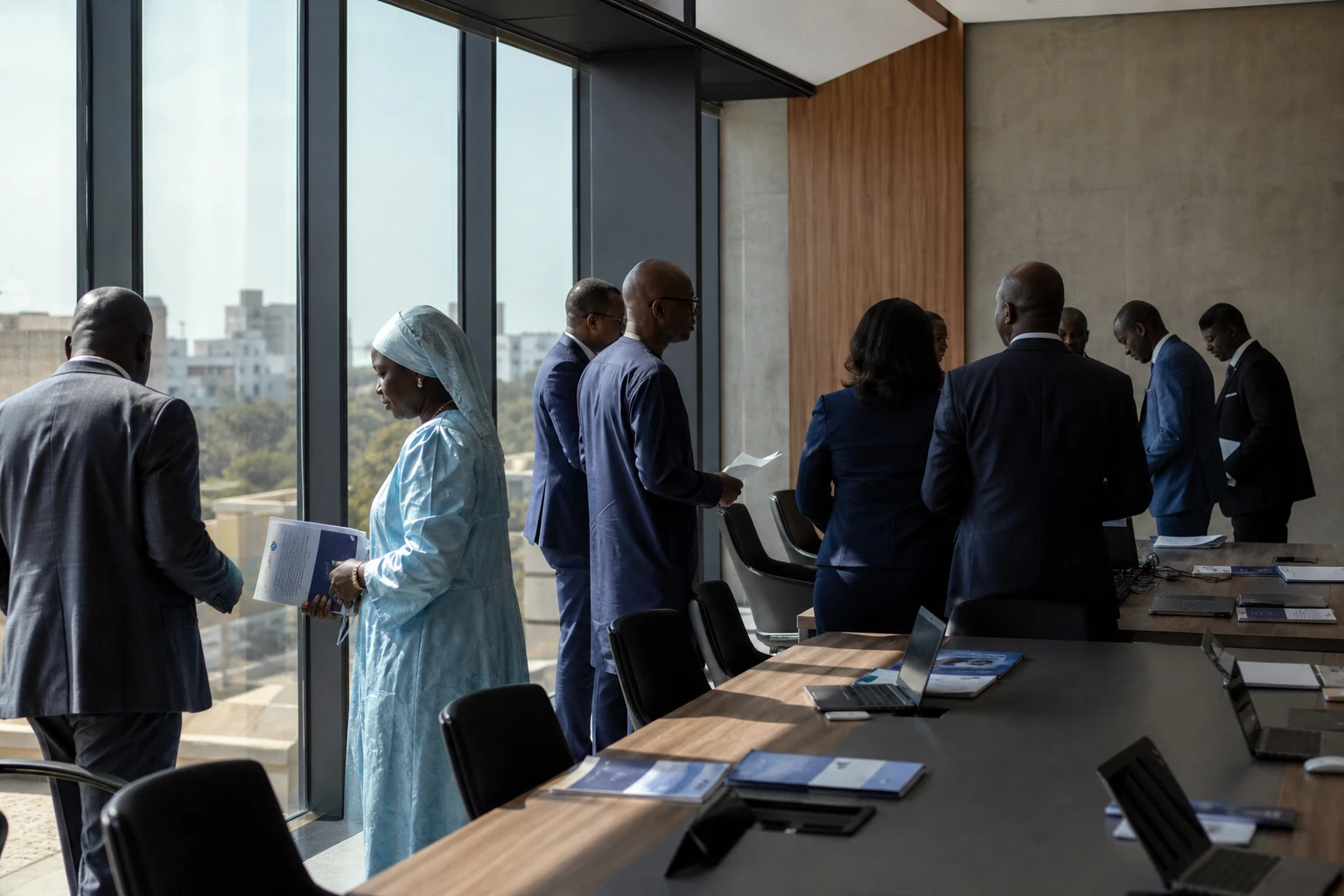
In Dakar, retaining young professionals is gradually moving beyond the sole remit of human resources. It is now part of discussions about performance, the transfer of skills and the ability of Senegalese companies to build lasting careers.
A warning signal from Africa’s labour market
On 18 September 2026, more than 200 executives gathered at the Noom Hôtel Dakar Sea Plaza for a morning devoted to leadership, corporate culture and the management of Generation Z. The event, organised by Agiltym by H&C, was part of a regional tour that had already visited Abidjan and Conakry.
At the centre of discussions was the Talent Gen Z Barometer in African companies. Conducted by DATATYM, the study covers 1,500 young professionals aged 18 to 29. It spans 14 French-speaking sub-Saharan African countries, particularly in the WAEMU and CEMAC regions, two regional unions that respectively coordinate a number of economic and monetary policies in West and Central Africa.
According to the findings presented, 64.5% of respondents are considering leaving their company in the next 12 months. The study also says that only one in ten professionals surveyed still sees themselves in their organisation in five years’ time. In addition, 88% say they have already imagined a career path that does not include their current employer.
These figures measure intentions, not departures that have actually taken place. That distinction matters. However, they point to a considerable degree of detachment between some young workers and the organisations that employ them.
In Dakar, companies face a new relationship with work
For senior management, the issue goes beyond pay. It also concerns the quality of management, opportunities for advancement, recognition of work and the consistency between a company’s rhetoric and employees’ day-to-day experience.
In large companies and growing businesses alike, a departure is not simply a matter of restarting recruitment. It can halt a project, weaken a sales team or slow the transfer of expertise. In services, finance, telecommunications and digital technology, the mobility of skilled workers can also affect customer relationships.
The impact is not the same for every employee. Managers with sought-after expertise may have greater scope to negotiate their mobility. By contrast, young professionals at the start of their careers often remain dependent on the quality of their first line manager and access to training. The formal labour market accounts for some of these issues, while career paths spanning salaried work, entrepreneurship and self-employment make trajectories harder to track.
In this context, the survey urges employers not to confuse short-term satisfaction with a willingness to stay. A team may appreciate its working environment while preparing to leave. Retention therefore requires an understanding of the genuine prospects available to employees, not just their immediate perception of the company.
A debate set within West Africa’s momentum
Dakar’s selection as a stop on the tour was no coincidence. Senegal’s capital is home to a significant share of the country’s corporate headquarters, banks, technology operators and regional organisations. It also serves as a connection point to other WAEMU markets, where companies are increasingly recruiting across an integrated professional space.
Regional mobility broadens the choices available to young managers. A Senegalese professional may be approached by a company based in Abidjan, Lomé, Cotonou or Ouagadougou. Conversely, Senegalese companies must contend with increased competition to attract certain skills, particularly in finance, technology, audit, telecommunications and data-related fields.
This shift is taking place as African organisations invest in their digital transformation. They are seeking to automate some operations, improve management and develop services suited to more connected markets. But technology alone cannot resolve management challenges. Software can track a career or generate indicators. It cannot replace trust, dialogue or clarity about responsibilities.
HR data as a decision-making tool
At the Dakar event, Agiltym by H&C also presented Targetym AI, an HR management platform described as a human resources information system, or HRIS. This type of tool brings together functions such as recruitment, payroll, attendance, performance, training and career management in a single interface.
The platform says it has 26 modules and a co-pilot available in French and English. It aims to give management a more regular view of human capital, rather than relying solely on an annual survey or the impressions of line managers.
This approach can help identify certain signals: declining engagement, stalled progress, an overloaded team or the risk of an employee leaving. However, it does not absolve companies of the need to verify data and comply with the rules governing the protection of personal information. In Senegal, as in other WAEMU countries, the use of artificial intelligence in sensitive functions will also have to remain compatible with national social and legal obligations.
The technology demonstration thus adds to the debate rather than bringing it to a close. The main question remains organisational: what, in concrete terms, does a company offer a young professional who wants to learn, progress and take part in decisions affecting their work?
From Dakar to Douala, the same challenge in different contexts
The Senegalese event was the third stop in The Strategic Breakfast series, following Abidjan on 5 May and Conakry on 12 June 2026. A fourth edition was announced for Douala, Cameroon, on 23 September. The connection between the two regions does not mean they face the same realities.
Companies in WAEMU and CEMAC operate in different economic, regulatory and monetary environments. They nevertheless share several challenges: competition for skilled workers, digital transformation, changing professional expectations and the need to improve management practices.
For Senegal, the next step will depend on companies’ ability to turn these findings into measurable decisions. Indicators on departures, internal promotions, training and mobility will have to be matched against the realities experienced by teams. Across the region, the movement of skills will continue to increase pressure on employers.
The signal sent from Dakar does not predict a widespread exodus of young managers. Rather, it shows that the relationship between younger generations and companies is becoming more negotiated. Organisations seeking to retain their skills will therefore have to offer more than a job: a clear career path, credible management and a meaningful role in the collective project.