Algeria
 Egypt
 Libya
 Morocco
 Sudan
 Tunisia
 Benin
 Burkina Faso
 Cabo Verde
 Côte d'Ivoire
 Guinea
 Guinea-Bissau
 Liberia
 Mali
 Mauritania
 Niger
 Nigeria
 Senegal
 Sierra Leone
 The Gambia
 Togo
 Cameroon
 Central African Republic
 Chad
 DR Congo
 Equatorial Guinea
 Gabon
 Republic of the Congo
 São Tomé and Príncipe
 Burundi
 Comoros
 Djibouti
 Eritrea
 Ethiopia
 Kenya
 Madagascar
 Malawi
 Mauritius
 Mozambique
 Rwanda
 Seychelles
 Somalia
 South Sudan
 Tanzania
 Uganda
 Angola
 Botswana
 Eswatini
 Lesotho
 Namibia
 South Africa
 Zambia
 Zimbabwe
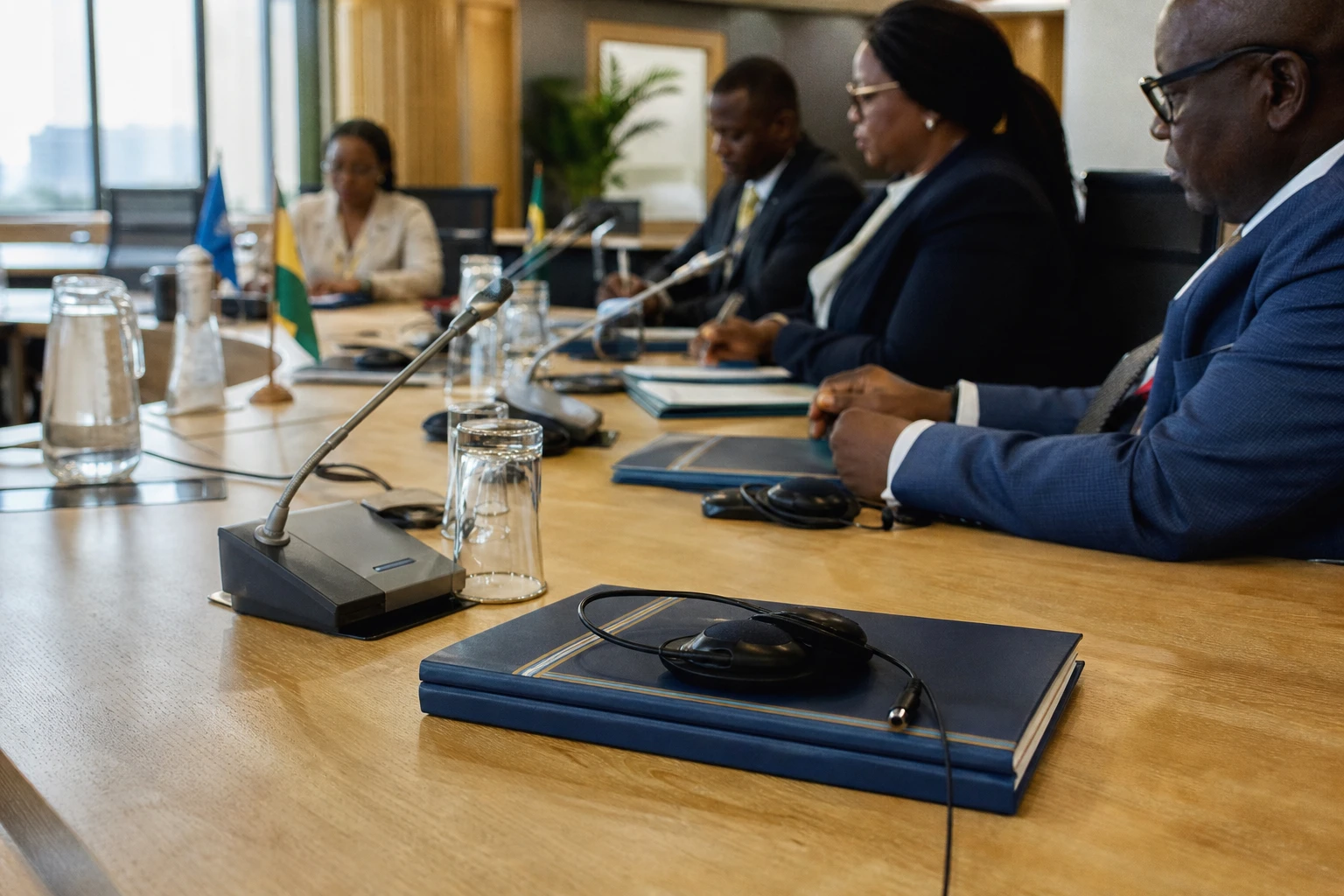
In Tema, Ghana’s main port hub, the question is no longer just how a cocaine shipment left the country. It now concerns checks, coordination between agencies and the state’s ability to prevent its commercial infrastructure from being used by transnational networks.
A seizure in France brings the investigation back to Tema
On 7 September 2026, French customs officers discovered nearly 3.9 tonnes of cocaine in a container that had arrived at the port of Dunkirk. The drugs were concealed in plastic waste. Officers found 167 bales, with an estimated value of about €225 million on the illicit market.
The container came from Ghana. It was then due to travel to Belgium, with the port of Antwerp listed as its destination. The seizure was confirmed by the French national prosecutor’s office responsible for organised crime and by French customs. Initial French reports on the seizure in Dunkirk describe an operation launched after the container was flagged by a specialist dog and then examined using a mobile X-ray scanner.
In Ghana, the investigation quickly focused on the container’s preparation and passage. Several people were arrested. The available court documents refer to six defendants brought before the courts, including four customs officers. Individual responsibility must, however, be established by the court. An arrest or charge does not constitute a conviction.
The suspects’ lawyers say their clients have co-operated with investigators. They have requested their release. According to the information in the case file, the Ghanaian court is due to consider the request on 29 September 2026.
Container checks at the centre of the debate
The case has reignited controversy over the role of the Narcotics Control Commission, known as NACOC. This Ghanaian institution is responsible for combating drug trafficking and use. It has units at ports, borders and airports, among other locations.
NACOC officially says it takes part in port operations through several arrangements. These include the Tema Port Unit and a joint control unit tasked with working alongside other agencies. NACOC’s official description of its port operations outlines a system based on intelligence, surveillance and targeted checks.
James Agalga, majority leader in parliament, says, however, that a decision taken in 2018 reduced NACOC’s systematic involvement in physical container inspections. He says this change created a gap in the inspection chain. He argues that the commission has since been brought back into joint inspections at the ports.
This account still needs to be substantiated by the investigation’s findings and the relevant administrative decisions. It nevertheless highlights a familiar problem in the fight against maritime trafficking: having more agencies does not, by itself, ensure greater security. Everything depends on information-sharing, the traceability of decisions and the independence of the officers responsible for checks.
Government looks to increase staffing
Amid questions about port checks, the parliamentary majority has announced that President John Mahama authorised the recruitment of 1,200 additional officers to strengthen NACOC. In the sources consulted, the announcement has not yet been accompanied by a detailed public timetable, a specific budget or an official breakdown of posts.
Increasing staffing may address a genuine need. Ghanaian ports handle large volumes of goods and are vital transit points for the national economy. But numbers alone will not be enough if scanners are unavailable, images are not properly analysed or alerts do not trigger further inspections.
The debate also concerns the justice system. James Agalga has raised the possibility of creating a specialised court for drug cases. Such a body could speed up the handling of complex cases. It would, however, need to safeguard the rights of the defence, protect witnesses and allow evidence to be examined by both sides, particularly in cases involving public officials.
An issue that extends beyond Ghana’s borders
Ghana occupies an important position in maritime trade in the Gulf of Guinea. Tema is linked to logistics chains serving West Africa and European markets. This openness supports imports and exports. It also exposes infrastructure to networks seeking to conceal illicit goods in ordinary cargo.
The Dunkirk seizure illustrates this regional dimension. The drugs were loaded in Ghana, intercepted in France and were due to reach Belgium. The investigation therefore involves several national agencies and requires swift exchanges between customs, judicial police and port authorities.
For the Economic Community of West African States, ECOWAS, which co-ordinates some regional policies, the case underlines the importance of intelligence-sharing between ports and border crossings. Criminal networks exploit differences in procedures between countries. States in the region therefore have an interest in harmonising checks without unnecessarily slowing legitimate trade.
For Ghanaians, the stakes are twofold. The country must protect the reputation of its ports and public trust in its institutions. It must also ensure that the public response does not amount to a show of force alone. Checks must target networks, their financing and any possible collusion, while distinguishing between officers under investigation and the agencies they belong to.
The next steps will be decisive: court decisions concerning the defendants, findings from investigations into images from Tema’s scanners, clarification of the announced recruitment and the possible creation of a specialised court. They will show whether the case leads to lasting reform or to a response limited to a high-profile seizure.