Algeria
 Egypt
 Libya
 Morocco
 Sudan
 Tunisia
 Benin
 Burkina Faso
 Cabo Verde
 Côte d'Ivoire
 Ghana
 Guinea
 Guinea-Bissau
 Liberia
 Mali
 Mauritania
 Niger
 Nigeria
 Sierra Leone
 The Gambia
 Togo
 Cameroon
 Central African Republic
 Chad
 DR Congo
 Equatorial Guinea
 Gabon
 Republic of the Congo
 São Tomé and Príncipe
 Burundi
 Comoros
 Djibouti
 Eritrea
 Ethiopia
 Kenya
 Madagascar
 Malawi
 Mauritius
 Mozambique
 Rwanda
 Seychelles
 Somalia
 South Sudan
 Tanzania
 Uganda
 Angola
 Botswana
 Eswatini
 Lesotho
 Namibia
 South Africa
 Zambia
 Zimbabwe
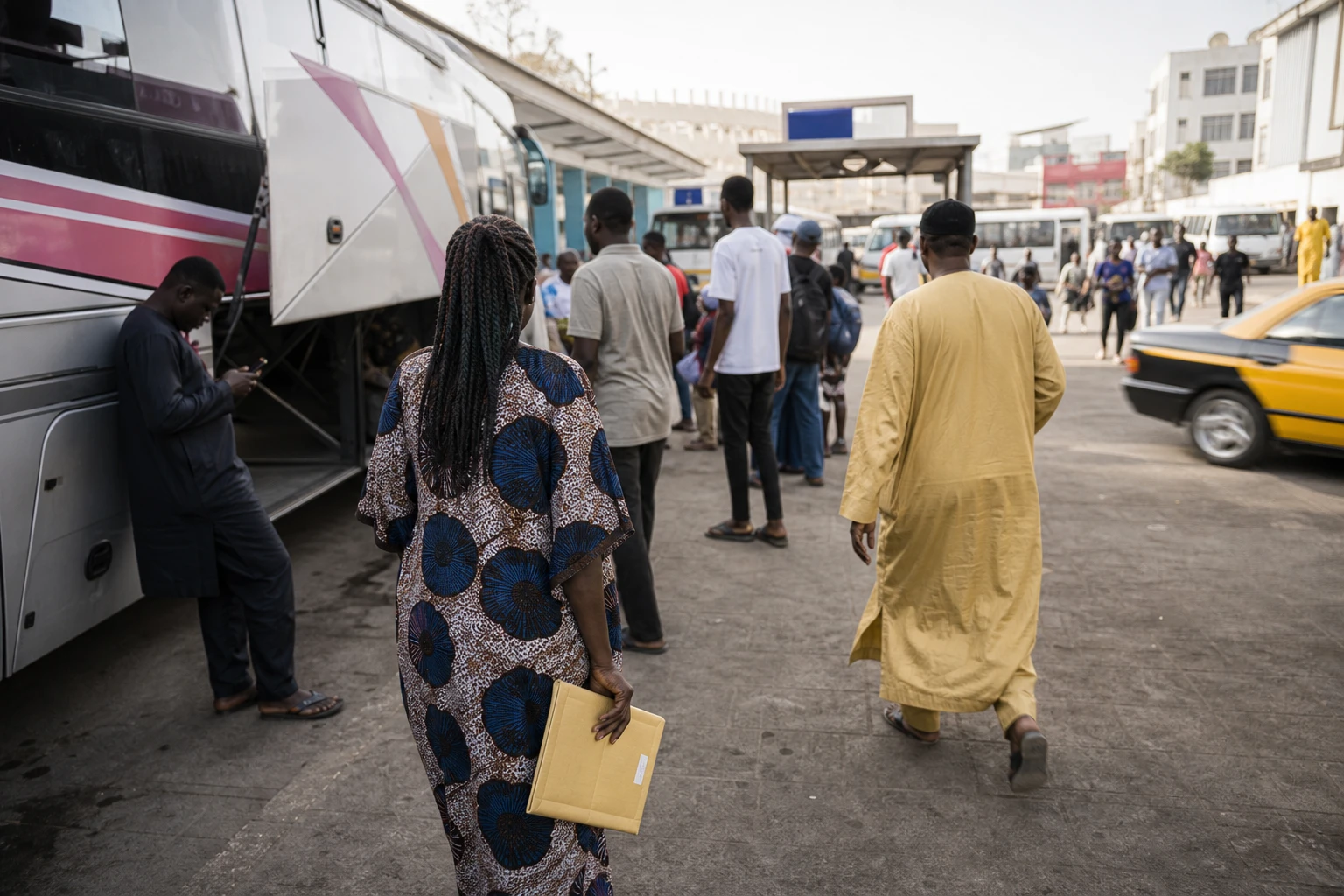
In Dakar, Senegalese diplomacy is entering a delicate phase. President Bassirou Diomaye Faye now supports his predecessor Macky Sall’s bid for the post of United Nations secretary-general. At the same time, victims’ families are still calling for truth, justice and reparations for political violence between 2021 and 2024.
International support reignites a national divide
On 20 July 2026, Bassirou Diomaye Faye publicly backed Macky Sall’s candidacy. He said, in particular, that the former Senegalese president could defend Africa’s place within the United Nations.
The announcement came after a meeting between the two men at the presidential palace. It also marked a change in tone. In May 2026, Bassirou Diomaye Faye said he had learned of Macky Sall’s candidacy through several African leaders. He then referred to pressure exerted ahead of an African Union summit.
Macky Sall’s candidacy was formally submitted to the UN by Burundi. The United Nations registered it on 2 March 2026 as part of the selection process for the next secretary-general, who is to succeed António Guterres at the end of his term.
The bid is part of an international contest. Several figures from Africa, Latin America and the Caribbean have been put forward. The final appointment will depend first on the Security Council and then on a vote by the General Assembly. The Council’s five permanent members have veto power.
Victims’ families urge against erasing the past
In Senegal, the president’s support has caused dismay among several organisations representing victims of political violence. The Collective of Martyrs’ Families, the Zero Impunity Initiative and the Collective of Macky Sall’s Victims denounced a break between the rhetoric of change promoted in 2024 and the government’s new diplomatic direction.
Their concern is less about Macky Sall’s personal career than about the consistency of the state. These associations believe that international promotion must not bring the country’s efforts to remember the past to a halt.
The issue remains sensitive. During Macky Sall’s presidency, from 2012 to 2024, several episodes of protest led to clashes between demonstrators and security forces. Mobilisations linked to Ousmane Sonko’s arrest and conviction, and to the postponement of the presidential election, shook Dakar and several other cities.
The death toll remains disputed, depending on the period and source. Amnesty International documented the deaths of 65 protesters and bystanders between March 2021 and February 2024. Families and human rights organisations have also cited mass arrests, prolonged detention and allegations of torture.
The amnesty law adopted on 6 March 2024 covers offences committed between 1 February 2021 and 25 February 2024 in connection with demonstrations or politically motivated events. It was presented as a tool for easing tensions. However, victims’ associations dispute the lack of judicial answers over the deaths and violence they attribute to state agents or other actors.
In 2025, Senegal’s justice ministry called for investigations into deaths during this period. In September 2026, the judiciary then made its first indictments in a case involving alleged torture and inhuman treatment, among other charges. Four people were targeted, according to several sources, including lawyers close to the case. The indictments do not imply guilt.
Justice and diplomacy proceed on parallel tracks
Senegal’s government is thus facing two imperatives. The first is to defend an African candidacy in a global contest. The second is to meet the expectations of citizens affected by recent political violence.
These two aims are not necessarily incompatible. Active diplomacy can advance a Senegalese or African candidacy. But it cannot, on its own, settle an unresolved judicial matter. For the families, international recognition of Macky Sall could be seen as rehabilitation before responsibility has been established.
The distinction between individual criminal liability and political responsibility remains central. An investigation must establish the facts, chains of command and any potential liability. It must also respect the rights of the defence. At the same time, the state must guarantee victims access to case files and hearings, as well as the reparations provided for by law.
The debate also touches on Bassirou Diomaye Faye’s political trajectory. Elected in March 2024 after a campaign built on breaking with the past, restoring the rule of law and ending impunity, the president must now explain how that promise fits with his support for the former head of state.
The political context has changed since the transfer of power. Relations between the presidency, Prime Minister Ousmane Sonko and their former coalition have become strained. In this climate, the rapprochement with Macky Sall may be interpreted as a diplomatic choice, an attempt at political realignment or a response to the expectations of several African leaders. These interpretations remain hypotheses and cannot be presented as established facts.
An issue that extends beyond Senegal’s borders
The controversy resonates across the Economic Community of West African States. ECOWAS, a regional organisation concerned, among other things, with political and economic co-operation, has monitored electoral crises and democratic backsliding in the region for several years. Senegal has long been seen as an important player in this regional architecture.
The Senegalese case therefore raises a broader question: how can a state promote a leader internationally while continuing to investigate violence committed during his tenure? The answer will affect the credibility of African commitments on human rights.
The African Union has not collectively endorsed Macky Sall’s candidacy. A silence procedure concerning a draft decision on the matter was broken by several member states. The lack of consensus weakens the prospect of an African candidacy backed by a united continental position.
Senegal’s next steps will therefore be watched on two fronts. In New York, the contest to lead the UN will continue. In Dakar, judicial proceedings and families’ demands will provide a measure of the reality of the promise of justice.
The president’s support for Macky Sall does not close the file on political violence. It makes it more visible. Senegalese diplomacy will now have to persuade abroad without giving victims the impression that national memory has become a bargaining chip.