Algeria
 Egypt
 Libya
 Morocco
 Sudan
 Tunisia
 Benin
 Burkina Faso
 Cabo Verde
 Côte d'Ivoire
 Ghana
 Guinea
 Guinea-Bissau
 Liberia
 Mali
 Mauritania
 Niger
 Nigeria
 Senegal
 Sierra Leone
 The Gambia
 Togo
 Cameroon
 Central African Republic
 Chad
 DR Congo
 Equatorial Guinea
 Gabon
 Republic of the Congo
 São Tomé and Príncipe
 Burundi
 Comoros
 Djibouti
 Eritrea
 Ethiopia
 Kenya
 Malawi
 Mauritius
 Mozambique
 Rwanda
 Seychelles
 Somalia
 South Sudan
 Tanzania
 Uganda
 Angola
 Botswana
 Eswatini
 Lesotho
 Namibia
 South Africa
 Zambia
 Zimbabwe
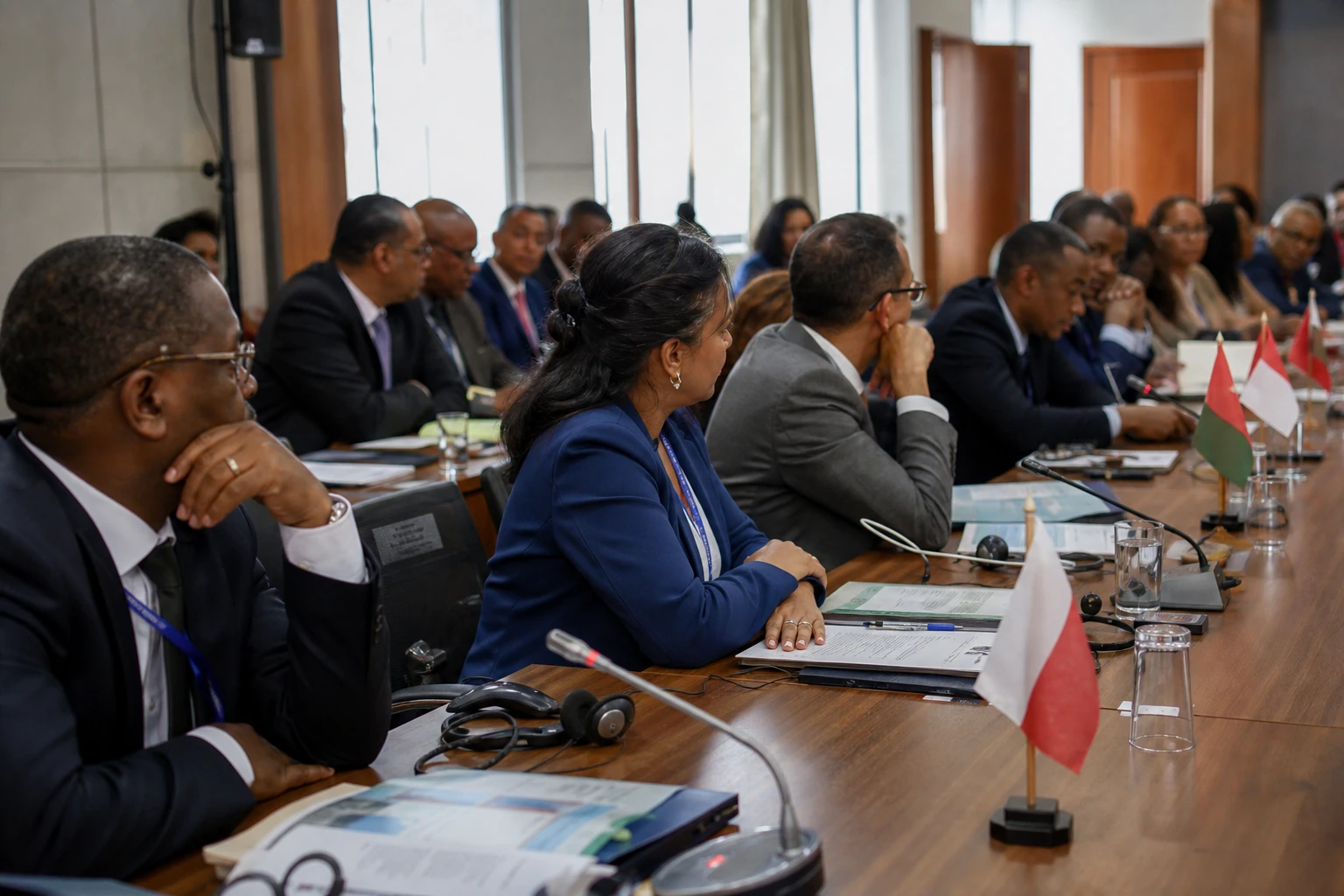
In Antananarivo, the return of water and fewer power cuts have not been enough to meet expectations. A year after the mobilisation that shook the government, many young people in Madagascar are still calling for jobs, reliable public services and a genuine role in decision-making.
Daily life has improved, but prospects have not
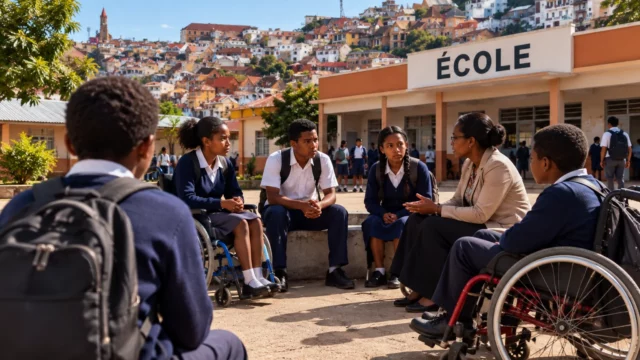
In a student room at Ankatso university campus, progress is visible but limited. Water and electricity cuts are less frequent than at the start of the crisis. However, buildings remain run-down, drainage channels are poorly maintained and communal areas are still difficult to live in.
For students, this improvement does not solve everything. It is no substitute for sound infrastructure or career prospects. In the Malagasy capital, the cost of living, transport and access to services continue to weigh on families and young people in education.
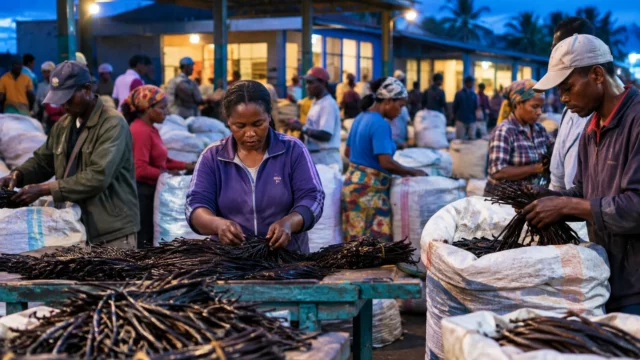
Jobs are now the main topic of discussion. Graduates struggle to find positions suited to their skills. Many alternate between odd jobs, informal work and periods with no income. Others are considering leaving, having lost faith in the prospect of finding lasting employment in Madagascar.
This feeling does not reflect a rejection of the island. Rather, it reveals a gap between the educational attainment of some young people and the economy’s capacity to create skilled jobs. In Antananarivo, commerce, digital services and small businesses offer opportunities. But access to them remains unequal, and the opportunities are often precarious.
From civic movement to military transition
The mobilisation began on 25 September 2025, over water shortages and power cuts. Its demands quickly broadened to include corruption, security, infrastructure and civil liberties. The Gen Z Madagascar movement played an important role in coordinating gatherings on social media.
The crisis changed course when the Corps d’administration des personnels et des services administratifs et techniques, or CAPSAT, refused to follow orders targeting protesters and moved closer to the protest movement. On 12 October 2025, the unit announced its support for the protesters. Andry Rajoelina subsequently left the country. On 14 October, the armed forces announced that they had taken power, followed by the swearing-in of Colonel Michael Randrianirina on 17 October.
The death toll from the crackdown remains disputed. The UN reported 22 deaths and more than a hundred people injured during the first weeks of the mobilisation. The Malagasy authorities gave a lower figure. The discrepancy highlights the need for an independent investigation and public monitoring of violence committed during the crisis.
The change of power was therefore not the result of a single dynamic. Pressure from the streets opened the crisis. Part of the army then turned it into a military transition. This distinction matters in understanding Gen Z’s current frustration: many young people called for institutional change, not for a civilian government to be replaced by military rule.
Youth consulted, but not yet convinced
Since the transition began, representatives of young people and civil society have met with the authorities. These meetings have given students’ demands greater visibility. They have yet to ensure that those demands are reflected in public policy.
The main criticism is the gap between the dialogue being promised and the decisions being made. Young participants say they are invited to meetings but do not always see their proposals incorporated into official texts or timetables. They are calling for open national consultations, clear rules and representation that does not stop at a handful of spokespeople.
On 14 April 2026, the transitional government launched a national youth consultation on refoundation. The initiative is intended to gather the expectations of the new generation. Its main challenge will be institutional: discussions must lead to verifiable commitments on the Constitution, elections, jobs and essential services. The national youth consultation announced by Madagascar’s ministry is therefore as much a political test as an exercise in consultation.
Young people do not, however, form a homogeneous bloc. Students in Antananarivo have high media visibility. Young people in the regions, informal workers, young women and those with limited access to digital networks face different obstacles. A credible transition will have to take account of these disparities between the capital and the rest of the country.
The decisive role of SADC and the African Union
Madagascar belongs to the Southern African Development Community, or SADC, a regional organisation working on peace, security, economic integration and infrastructure. The country hosted its annual summit in Antananarivo in August 2025, a few weeks before the crisis.
After the military takeover, SADC called for an inclusive national dialogue led by Malagasy stakeholders. In December 2025, it also called for preparations to be made for new elections and for the return of political exiles to be facilitated. The organisation is therefore monitoring the transition while seeking to avoid a lasting break with the constitutional order. SADC’s calls for dialogue and an electoral timetable provide a regional framework for the discussions.
The African Union, for its part, has reiterated its opposition to unconstitutional changes of government. It has urged civilian and military actors to prioritise dialogue and respect for fundamental rights. This position puts the transitional authorities in a difficult position: they must meet popular expectations while preparing a return to recognised electoral legitimacy.
For people in Madagascar, these regional debates may seem distant from the daily emergencies. Yet they will have tangible consequences. The electoral timetable will determine how long the transition lasts. Constitutional dialogue will set the rules for the next vote. How electricity, water and infrastructure are managed will show whether political change genuinely improves everyday life.
The risk of another cycle of disappointment
A year after the uprising, young people in Madagascar are no longer looking only for a change at the top. They want institutions that are accountable and public services that work without the need for constant mobilisation. They also want to help set national priorities.
The transitional authorities still have a political window of opportunity. They can turn the anger of 2025 into lasting reform by involving young people in decisions and publishing clear deadlines. They can also allow fresh disappointment to take hold if consultations remain symbolic and promises do not extend beyond the capital.
The next step will therefore be less dramatic than a rally in Place du 13-Mai. But it will be decisive: establishing a credible roadmap, ensuring civil society can participate and preparing elections accepted by the different stakeholders. In Madagascar, the question is no longer only who won the streets. The task now is to assess what the transition can make of that.