Egypt
 Libya
 Morocco
 Sudan
 Tunisia
 Benin
 Burkina Faso
 Cabo Verde
 Côte d'Ivoire
 Ghana
 Guinea
 Guinea-Bissau
 Liberia
 Mali
 Mauritania
 Niger
 Nigeria
 Senegal
 Sierra Leone
 The Gambia
 Togo
 Cameroon
 Central African Republic
 Chad
 DR Congo
 Equatorial Guinea
 Gabon
 Republic of the Congo
 São Tomé and Príncipe
 Burundi
 Comoros
 Djibouti
 Eritrea
 Ethiopia
 Kenya
 Madagascar
 Malawi
 Mauritius
 Mozambique
 Rwanda
 Seychelles
 Somalia
 South Sudan
 Tanzania
 Uganda
 Angola
 Botswana
 Eswatini
 Lesotho
 Namibia
 South Africa
 Zambia
 Zimbabwe
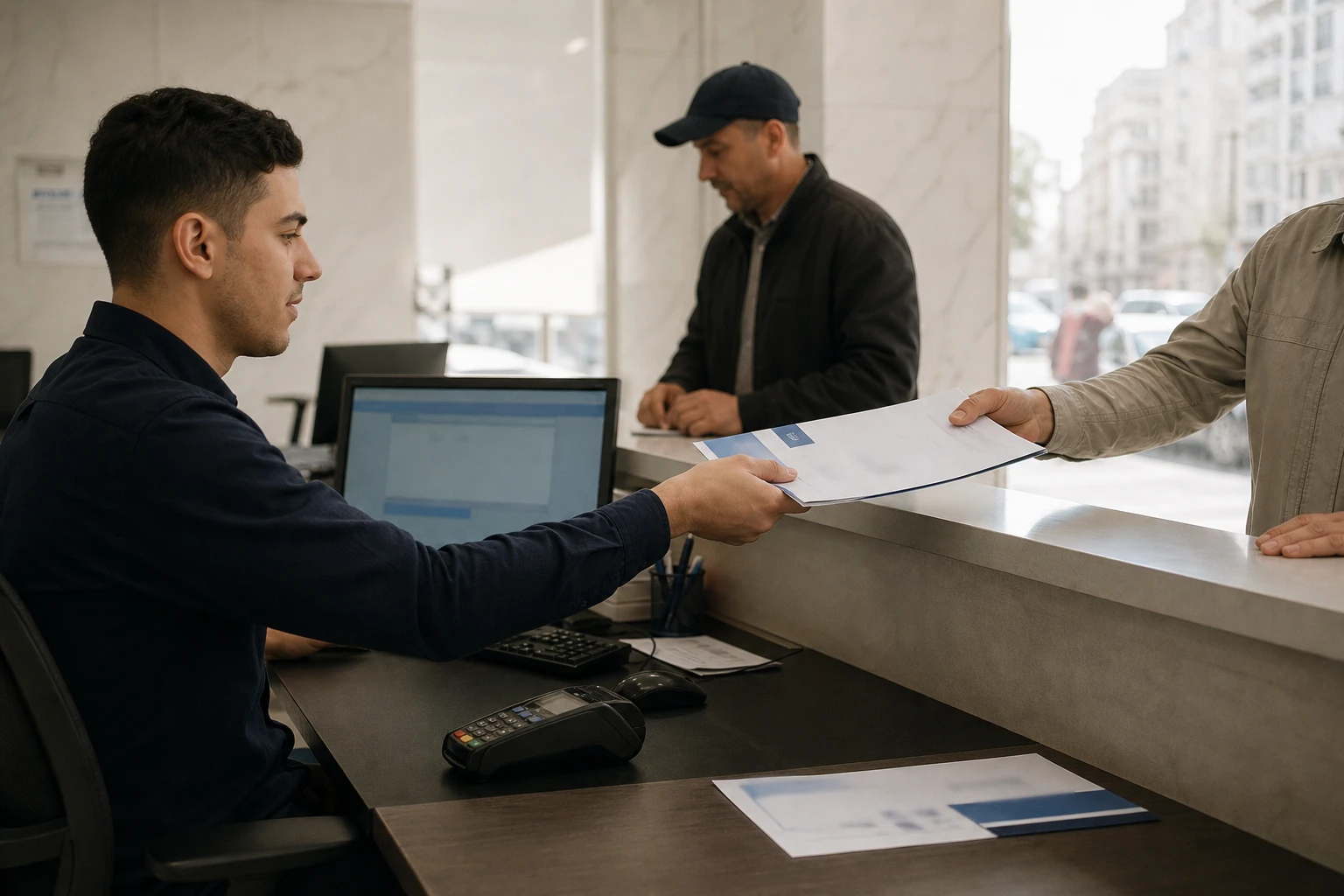
In Algeria, mobile phones are no longer used only for communication. They are gradually becoming a gateway to financial services. The authorisation granted to Djezzy Payment Services marks a new step in this transformation, as digital payments gain ground among households, traders and businesses.
A new player in a fast-growing market
The Monetary and Banking Council authorised Djezzy Payment Services on Wednesday 23 September 2026 to establish itself as a payment service provider. The subsidiary of Optimum Telecom Algeria must, however, obtain approval from the Bank of Algeria before beginning operations.
The decision does not therefore amount to a commercial launch. It first opens a regulatory process. Djezzy Payment Services has a maximum of 12 months from notification of the authorisation to submit its application for approval to the Bank of Algeria.
The future provider could potentially offer several services. Algeria’s regulatory framework provides in particular for the opening of payment accounts, the execution of fund transfers, the processing of electronic transactions and services for traders. The precise scope of Djezzy’s offering has yet to be specified.
Payment service provider status was created by Monetary and Banking Law No. 23-09 of 21 June 2023. Regulation No. 25-02, adopted on 14 April 2025, subsequently set out the conditions for the establishment, approval and operation of these new players. The Bank of Algeria presents the framework as a means of diversifying payment instruments and strengthening financial inclusion.
Digital services are growing, but habits are changing gradually
Market conditions explain Djezzy’s interest. At the end of the first half of 2026, Algeria had 1,004 merchants connected to the online payment platform, up from 644 a year earlier. This 55% increase expanded the number of outlets able to accept remote payments.
Over the same period, 15.43 million transactions were made online. The volume rose by 52% year on year, according to data from the Economic Interest Group for Electronic Payments, the body that co-ordinates part of the national electronic payments ecosystem. The value of these transactions was close to 346 billion dinars.
In-person payments are following a similar trajectory. More than eight million transactions were carried out in the first half of 2026 using electronic payment terminals, or EPTs. These devices allow customers to pay for purchases by card or other digital means at participating merchants. The number of transactions rose by 81% year on year, with a value of more than 82 billion dinars.
Interbank payments by mobile phone and QR code are also growing. However, cash withdrawals remain very high. This coexistence shows that Algeria’s digital transition is real, but has not yet replaced traditional practices. Consumers are adopting new tools at different rates depending on the sector, location and trust they place in platforms.
For Djezzy, diversification backed by a large customer base
This move into payment services broadens Djezzy’s position beyond telecommunications. The operator already has a substantial customer base with which to test mobile-related digital services in due course, subject to banking approval and rules on user protection.
Djezzy had 18.1 million subscribers at the end of June 2026, an increase of 4.2% year on year. The company also reported revenue of 62.2 billion dinars in the first half, up 8.8%. These results give the operator commercial and technological capacity that could help it develop new activities.
This customer base does not, however, guarantee the success of a financial service. Payment services require robust security, customer verification, data protection and fraud prevention systems. They also require a relationship of trust with banks, merchants and supervisory authorities.
For urban users, a telecoms operator’s entry into the sector could make mobile payments easier to access. It could also encourage services for small businesses and self-employed workers. In areas less well served by bank branches, a phone can become a practical alternative, provided that connectivity, customer support and account access remain reliable enough.
Competition set to intensify
Djezzy is not entering an empty market. Banks, Algeria Post and players already involved in mobile payments are also pursuing investment. The launch of DZ Mob Pay, based on interoperability between institutions, has expanded mobile payment options. The challenge now is to turn this infrastructure into regular use.
Competition will therefore not be based solely on subscriber numbers. It will also hinge on the simplicity of apps, transaction speeds, fees charged to merchants and the ability to resolve problems quickly. For small businesses, the cost of accepting electronic payments will be decisive. For customers, security and the ability to recover their money in the event of an error will weigh heavily in their choice of service.
The challenge also concerns the formalisation of the economy. Better-tracked electronic payments can make business management easier and widen access to financial services. But a transition that is too costly or complex could deter small merchants, particularly those who rely mainly on cash.
An issue that extends beyond the Algerian market
Algeria’s trajectory is part of a broader movement across North Africa. In the Arab Maghreb Union region, markets remain governed by distinct national frameworks, but telecoms operators and banks are all seeking to capture growth in digital services. Across the continent, mobile payments are also a major tool for reducing the distance between people, businesses and financial institutions.
For Algeria, the next step will be the assessment of Djezzy Payment Services’ application for approval. This process will establish which services will actually be offered, the terms of use and the launch timetable. It will also show whether the new player will help broaden access to electronic payments on a lasting basis or initially focus on customers already connected to digital services.