
 Algeria
 Egypt
 Libya
 Morocco
 Sudan
 Tunisia
 Benin
 Burkina Faso
 Cabo Verde
 Côte d'Ivoire
 Ghana
 Guinea
 Guinea-Bissau
 Liberia
 Mali
 Mauritania
 Niger
 Nigeria
 Senegal
 Sierra Leone
 The Gambia
 Togo
 Cameroon
 Central African Republic
 Chad
 DR Congo
 Equatorial Guinea
 Gabon
 Republic of the Congo
 São Tomé and Príncipe
 Burundi
 Comoros
 Djibouti
 Eritrea
 Ethiopia
 Kenya
 Madagascar
 Malawi
 Mauritius
 Mozambique
 Rwanda
 Seychelles
 Somalia
 South Sudan
 Tanzania
 Uganda
 Angola
 Botswana
 Eswatini
 Lesotho
 Namibia
 Zambia
 Zimbabwe
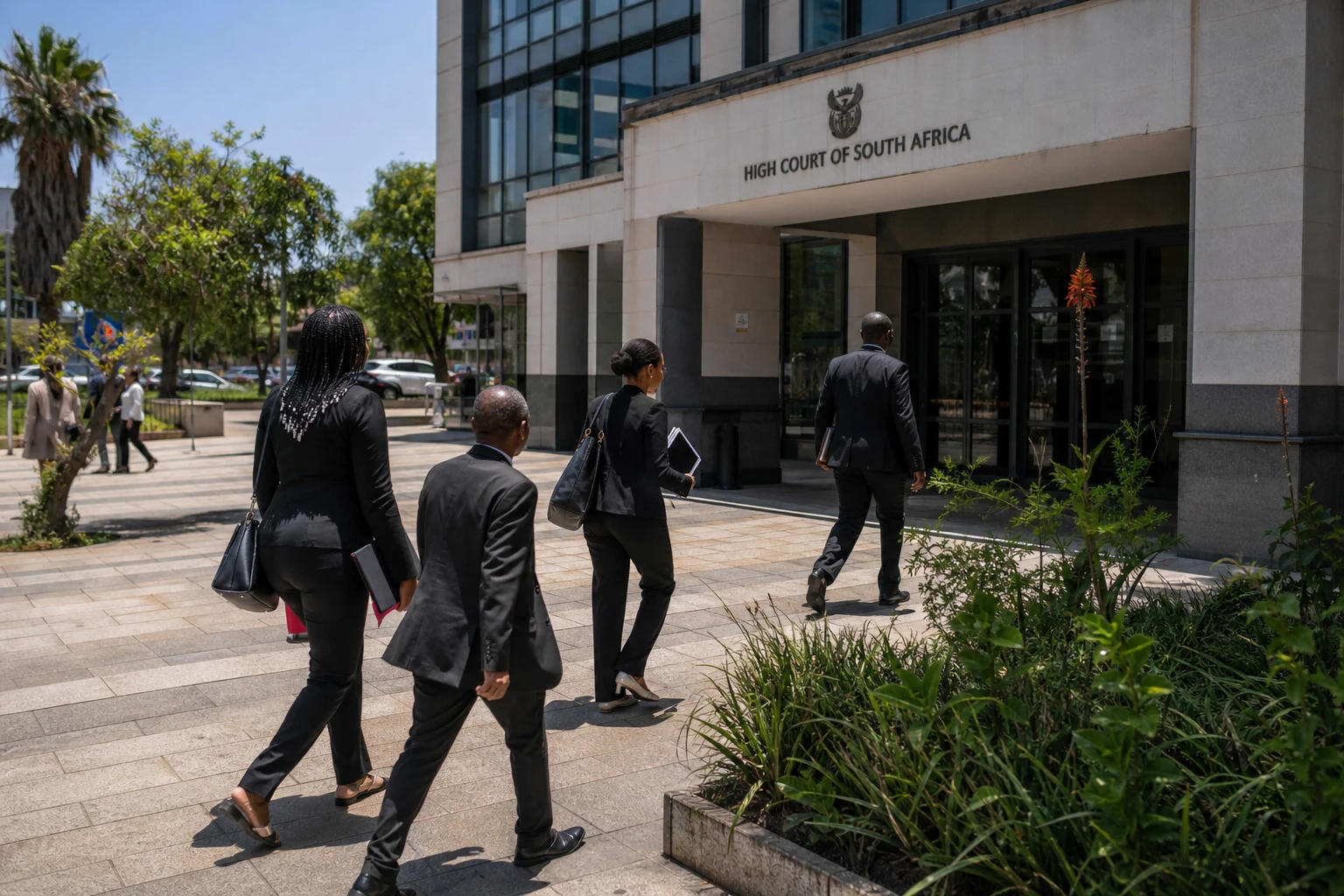
After more than five months behind bars in South Africa, Kémi Séba still has no definitive answer about his legal future. The Pretoria court has set two new dates: 6 October 2026 for the South African immigration case and 20 November 2026 to consider Benin’s extradition request.
A case now divided into two proceedings
The main difficulty in this case lies in the coexistence of two separate files. The first is being heard in South Africa. It concerns, among other things, the terms of Kémi Séba’s stay and an alleged attempt to leave the country unlawfully.
The second concerns an extradition request submitted by the Beninese authorities. Cotonou wants the activist returned so that he can answer before the courts for alleged offences in Benin. Extradition is not automatic, however. The South African court must first examine whether the request is valid and what safeguards would apply to any transfer.
This separation is essential. The South African proceedings do not constitute a decision on Benin’s request. Likewise, the accusations made by Benin do not amount to a conviction. Kémi Séba remains presumed innocent unless and until a final decision is handed down.
Legal timetable extends into November
Arrested on 13 April 2026 in Pretoria, South Africa’s capital, Kémi Séba has been in detention since that date. His son was also arrested. A South African national is involved in the local proceedings, according to information made public since the case began.
The extradition hearing was due to take place on 23 September 2026. It did not bring the examination of Benin’s request to a close. According to reports published in Cotonou, the case was adjourned until 20 November 2026.
Before then, a hearing on the immigration case is scheduled for 6 October 2026. This stage concerns the allegations made by the South African authorities, including an alleged overstay of the visa and an attempt to travel towards the border with Zimbabwe.
The timetable has already been disrupted several times. The hearing could not take place on 11 August 2026. A power cut at the detention facility reportedly prevented Kémi Séba from being transferred to court. The case was then postponed to 23 September.
The allegations made by Benin
The Beninese proceedings are based on arrest warrants issued by the Court for the Repression of Economic Offences and Terrorism, the CRIET, a specialised court in Benin. The charges cited in accounts of the proceedings include, in particular, advocating crimes against state security and incitement to rebellion.
The Beninese authorities also referred to other accusations in the early stages of the case, including money laundering and offences related to incitement to hatred and violence. The charges may change as the investigation progresses. They must therefore be presented as allegations by the prosecution, not as facts definitively established.
The case is unfolding amid a tense political climate in Benin. The authorities in Cotonou have stepped up their judicial response following the attempted coup in December 2025. Kémi Séba had publicly expressed support for the attempt, contributing to the issuance of warrants against him, according to information reported by the Pan-African News Agency.
Defence challenges the political interpretation of the case
Kémi Séba’s defence is challenging the extradition proceedings. His lawyers are expected to argue, in particular, that the Beninese prosecution may be linked to his political views. They may also invoke safeguards relating to human rights and the right to a fair trial.
These arguments will have to be considered by the South African court. Pretoria will have to balance judicial cooperation with Benin against the protections provided by its own law. A decision in favour of extradition would not necessarily mean an immediate transfer. Several judicial and administrative steps may still follow.
On the ground, the prolonged detention weighs first on the individual concerned and his family. It also creates uncertainty for the other people involved in the South African proceedings. For the Beninese authorities, the aim is to secure the return of a wanted national. For Pretoria, the challenge is to handle a sensitive case without prejudging the individual’s guilt.
A case reflecting new political tensions in Africa
The case goes beyond a confrontation between Cotonou and Kémi Séba. It comes at a time when activist movements, arrest warrants and cross-border proceedings are multiplying across Africa. It also shows that judicial cooperation between African states is no longer confined to conventional economic or criminal cases.
Benin belongs to the West African ECOWAS bloc, a regional organisation whose role includes promoting cooperation among its member states. South Africa, for its part, is part of SADC, the Southern African Development Community. The extradition request is therefore not a procedure within a single regional organisation. It brings together two distinct judicial and political frameworks.
This regional dimension explains the attention being paid to the case. A South African decision could set a precedent for future cases involving opposition figures, activists or people wanted in another African country. It will also raise questions about the limits of judicial cooperation when accusations have a political dimension.
Next steps to watch
The first scheduled date is 6 October 2026. It will provide an update on the immigration case in South Africa. The second, set for 20 November 2026, is due to deal with the extradition request to Benin.
At this stage, no extradition decision has been made. Kémi Séba’s continued detention therefore does not determine the outcome of the proceedings. The upcoming hearings should clarify the parties’ arguments, the timetable for examining the case on its merits and any safeguards required before a decision on his transfer.



