Algeria
 Egypt
 Libya
 Morocco
 Sudan
 Tunisia
 Benin
 Burkina Faso
 Cabo Verde
 Côte d'Ivoire
 Ghana
 Guinea
 Guinea-Bissau
 Liberia
 Mali
 Mauritania
 Niger
 Nigeria
 Senegal
 Sierra Leone
 The Gambia
 Togo
 Cameroon
 Central African Republic
 Chad
 DR Congo
 Equatorial Guinea
 Gabon
 Republic of the Congo
 São Tomé and Príncipe
 Burundi
 Comoros
 Djibouti
 Eritrea
 Ethiopia
 Kenya
 Madagascar
 Malawi
 Mauritius
 Mozambique
 Rwanda
 Seychelles
 Somalia
 South Sudan
 Tanzania
 Uganda
 Angola
 Botswana
 Eswatini
 Lesotho
 Namibia
 South Africa
 Zambia
Growth holds up, but remains under scrutiny
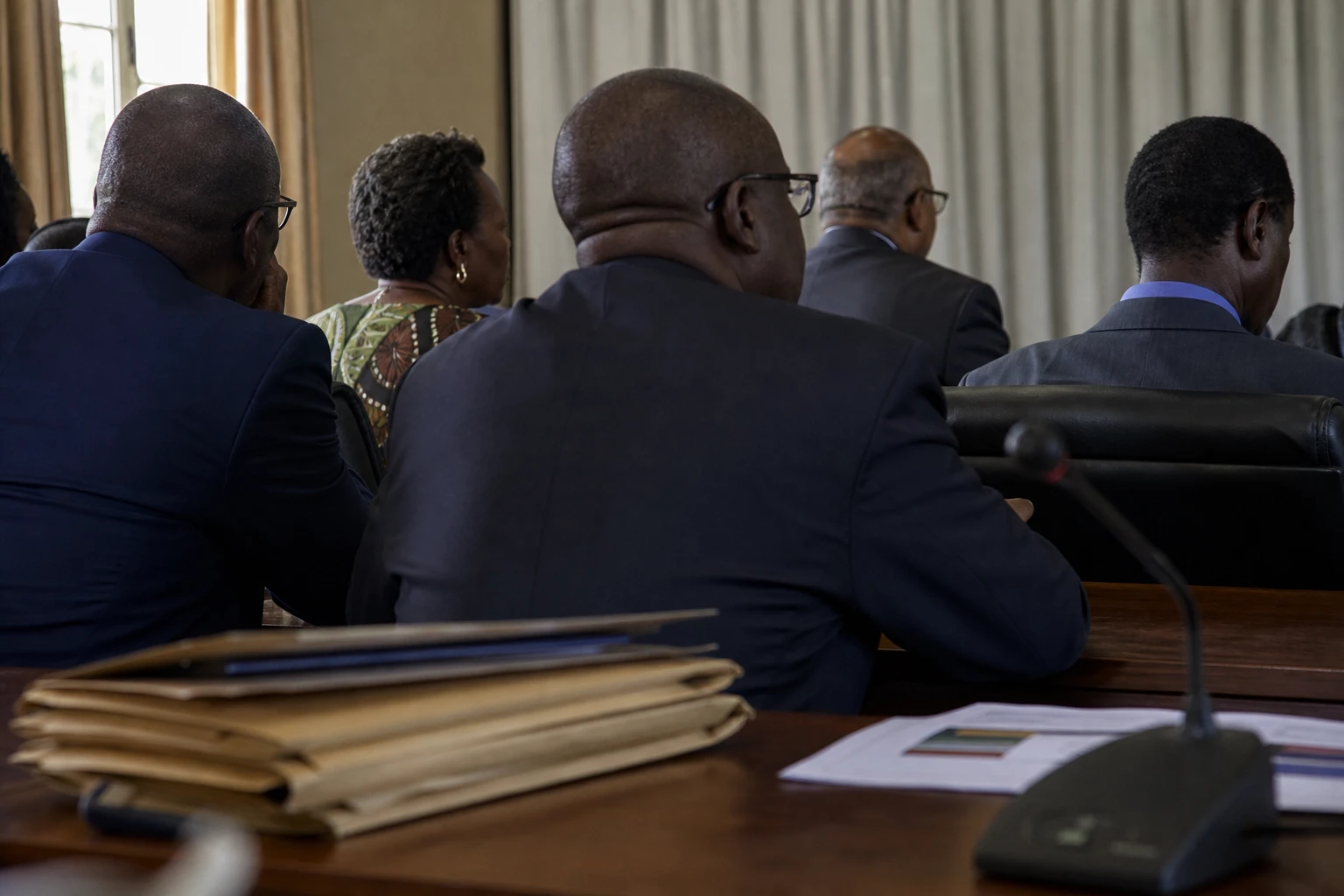
In Harare, Zimbabwe’s economic recovery is on a tightrope. After a rebound driven by agriculture and commodities, the country is entering a more delicate phase: sustaining momentum without letting the climate dictate harvests, prices and public finances. The question is no longer simply whether growth exists. It is whether it can last.
Zimbabwe is also part of a wider regional trend. In southern Africa, food security remains a central issue for the SADC, which has made agricultural transformation and climate resilience explicit priorities for 2026. In this context, the country is not an isolated case. It is a vulnerable point in a region where rainfall, logistics and credit directly affect economic stability.
Recent macroeconomic indicators also show a real, but incomplete, improvement. The World Bank Group estimates that Zimbabwe’s gross domestic product grew by 7.5% in 2025, compared with 1.7% in 2024. This upturn remains fragile, however, as public and external debt are still considered unsustainable and in distress, with total debt estimated at 45.6% of GDP in 2025.
Climate, a decisive factor for harvests and public finances
The latest warning sign comes from the skies. The country’s meteorological service forecasts a marked El Niño influence during the 2026/2027 season, with below-normal rainfall across much of the country, an irregular start to the season and higher temperatures between October 2026 and March 2027. The episode is described as serious enough to warrant precautionary measures in the most exposed provinces. The full scenario is set out in the Zimbabwe Meteorological Services Department’s official bulletin, available here.
This outlook explains the caution shown by financial institutions. In its statement of 17 September 2026, the IMF says Zimbabwe’s economy is expected to grow by 5% in 2026 before slowing to 3.5% in 2027, due to the expected effects of a “super” El Niño, while noting that this estimate incorporates the mitigation measures planned by the authorities. The institution also says inflation is expected to remain in single digits and the current account to stay in surplus, provided climate shocks do not worsen. The full text is available on the IMF website.
The slowdown matters for households. A drier season first affects small-scale producers, then urban markets. When rainfall is scarce, planting is delayed, yields fall and food prices can rise quickly. The shock hits rural areas hardest, where the economy depends more heavily on rainfall, but it eventually reaches cities too, through the cost of basic goods, transport and pressure on drinking water supplies.
What Harare wants to protect: stability above all
Zimbabwean authorities have already begun preparing contingency plans to limit the damage to people and the economy. The idea is simple: minimise the damage before it turns into a budget crisis. In Zimbabwe, each climate event quickly leads to additional spending on food aid, water, health and support for farms.
This equation matters to all of southern Africa. The SADC ministerial meeting in Victoria Falls put the 2026/2027 season, food security and the resilience of agricultural systems at the heart of regional discussions. Zimbabwe is therefore not speaking alone. It stands at the crossroads of several urgent priorities: climate adaptation, food sovereignty and fiscal discipline.
The World Bank, for its part, stresses one key point: without structural reforms, the recovery will remain exposed to shocks. Its assessment highlights the need for concessional financing, better revenue mobilisation and a more credible framework to attract investment. In other words, Zimbabwean growth does not depend on the weather alone. It also depends on the state’s ability to secure its finances, manage its cash flow and restore confidence.
The IMF makes a similar point, calling for better spending control, stronger cash-flow planning and faster clearance of domestic arrears. These are technical tasks, but their impact is very tangible. They determine the country’s access to financing, monetary stability and its ability to cushion the blow of a poor agricultural season.
A test for Zimbabwe and the region
The expected slowdown to 3.5% in 2027 does not mean Zimbabwe’s economy is collapsing. It says something else: growth remains vulnerable and reversible. In a country where agriculture, water and energy are closely linked, an adverse climate event can curb exports, strain local budgets and complicate daily life well before it shows up in annual statistics.
The coming months will therefore be decisive. If mitigation measures work, Zimbabwe can preserve some of its momentum and limit the effects of a dry season on crops, public health and revenue. If they come too late, the country could see its financial balances come under pressure from the combined force of climate impacts and emergency spending.
At continental level, the issue highlights a shared reality: in southern Africa, growth is no longer just a matter of extraction, trade or monetary policy. It also depends on states’ ability to incorporate climate risk into their planning. For Zimbabwe, the challenge is immediate. For the SADC, it is structural.