Algeria
 Egypt
 Libya
 Morocco
 Tunisia
 Benin
 Burkina Faso
 Cabo Verde
 Côte d'Ivoire
 Ghana
 Guinea
 Guinea-Bissau
 Liberia
 Mali
 Mauritania
 Niger
 Nigeria
 Senegal
 Sierra Leone
 The Gambia
 Togo
 Cameroon
 Central African Republic
 Chad
 DR Congo
 Equatorial Guinea
 Gabon
 Republic of the Congo
 São Tomé and Príncipe
 Burundi
 Comoros
 Djibouti
 Eritrea
 Ethiopia
 Kenya
 Madagascar
 Malawi
 Mauritius
 Mozambique
 Rwanda
 Seychelles
 Somalia
 South Sudan
 Tanzania
 Uganda
 Angola
 Botswana
 Eswatini
 Lesotho
 Namibia
 South Africa
 Zambia
 Zimbabwe
When gold promises income but brings the risk of death
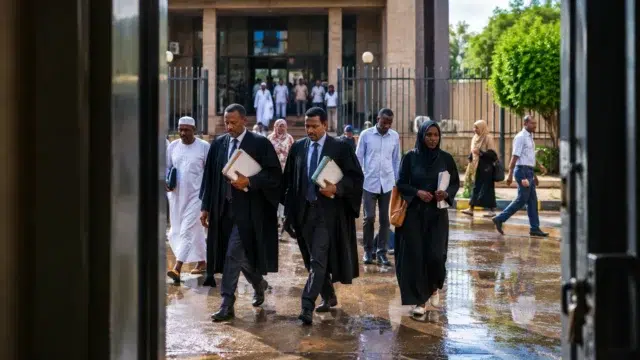
In western Sudan, the gold rush is no story of abundance. Above all, it speaks of collapsing incomes, the pressure of war and the lack of protection for those who descend into artisanal mines each day. The disaster in Kordofan, where a mine collapsed, is a reminder that in Sudan economic survival often depends on sites without heavy machinery, safety standards or rapid emergency response.
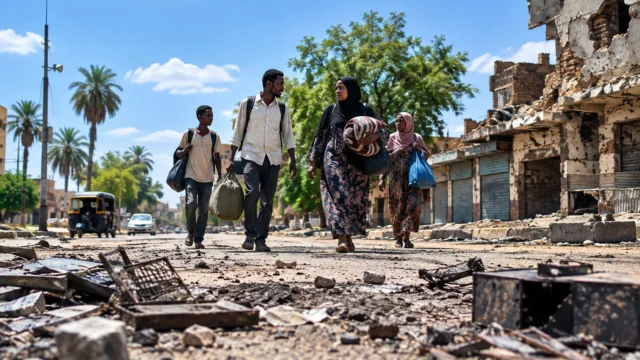
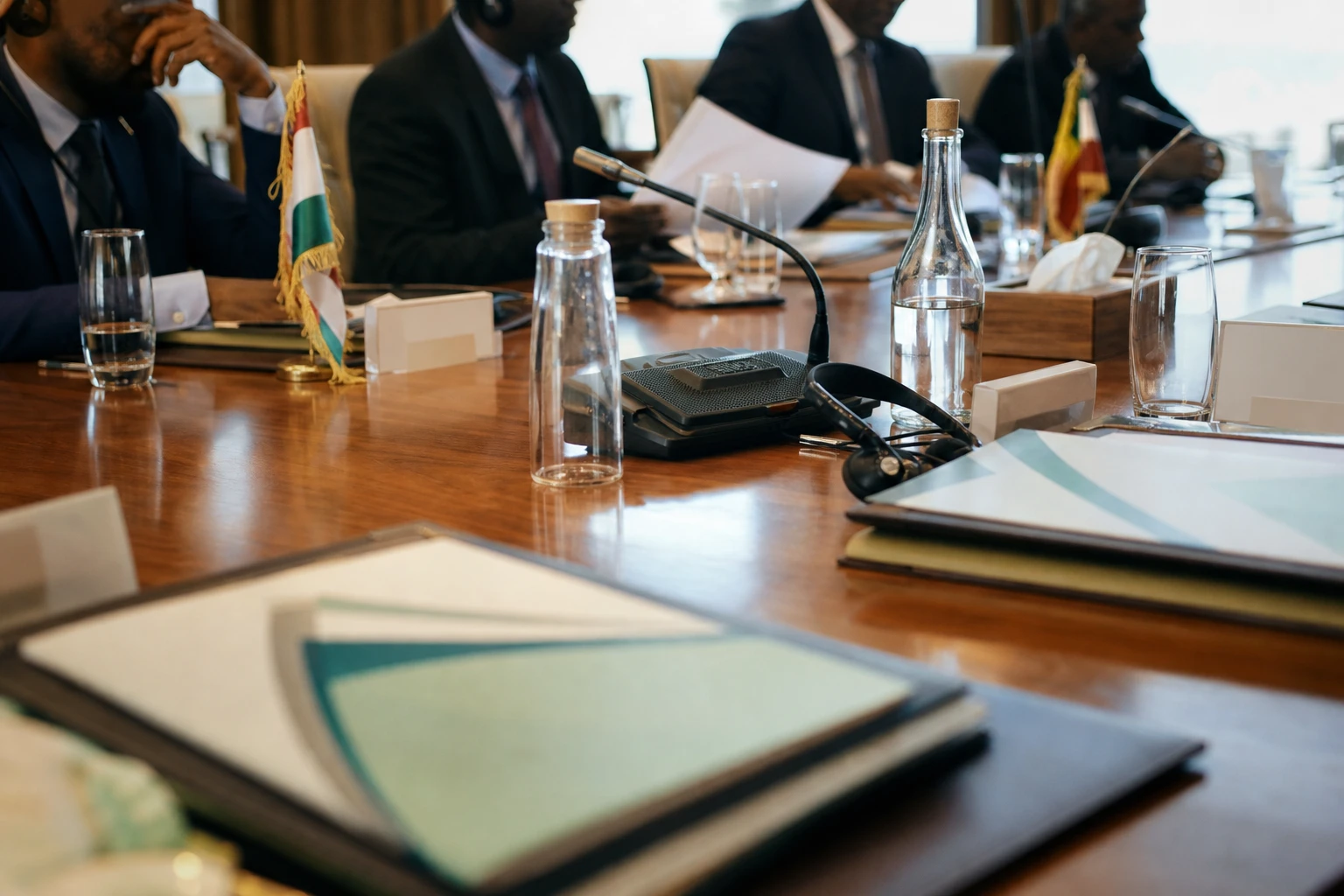
Since April 2023, the war has pitted the Sudanese Armed Forces against the Rapid Support Forces (RSF), fragmenting the country and disrupting economic networks. In this context, gold has become a resource, a means of exchange and an instrument of war. Sudan is part of the African Union and IGAD, the organisation of countries in the Horn of Africa, but the crisis extends beyond the region: it feeds a cross-border market where trafficking, sanctions and military rivalries intersect.
What is known about the collapse in West Kordofan
On 16 September 2026, several sources reporting independently of one another said an artisanal gold mine had collapsed in West Kordofan state, near Al-Nuhud. The death toll was initially put at at least 70, then revised to 82 by a local source linked to the RSF and several international media outlets. Around 50 people were also reported injured, while others remained missing beneath the rubble.
Rescue efforts were hampered by severely limited resources. Witnesses described a race against time using rudimentary tools, with no suitable earth-moving machinery to clear the rock and soil. The al-Zaraa mine is described as an artisanal, and therefore informal, site where closely spaced shafts increase the risk of a chain collapse. This type of mining remains common in Sudan, where artisanal extraction accounts for a large part of the gold sector.
West Kordofan is one of the areas most exposed to this precarious mining economy. Young people seek immediate income in a country where formal activity has contracted under the impact of conflict and inflation. According to the United Nations, about 19.5 million people in Sudan were facing high levels of acute food insecurity as of 2026, helping to explain why so many families turn to mines despite the risks.
A key sector in the war economy
Sudan remains one of the continent’s major gold producers, but the war has obscured official channels and strengthened parallel networks. Mining authorities announced production of around 70 tonnes in 2025, describing it as a five-year high. At the same time, official exports remained far below the volume extracted, pointing to a major gap between production, taxation and actual trade.
This discrepancy fuels suspicions of smuggling and seizure by armed actors. UN analyses and research centres have described a “war economy” in which gold supports the military effort and moves through regional networks. In July 2026, the European Union strengthened its sanctions regime by targeting trade in Sudanese gold, saying the sector continues to fuel the conflict. The United Kingdom, for its part, had described gold as a source of funding for weapons and armed groups.
The United Arab Emirates remain at the centre of many controversies over the markets for Sudanese gold. Several investigations and international reports point to large volumes of gold passing into this market, although Abu Dhabi denies supporting the RSF. For miners, this distant geopolitics changes nothing essential: in the hills of Kordofan, chemicals, unstable tunnels and a lack of oversight turn a strategic resource into a daily danger.
What this disaster says about Sudan, and beyond
This mining disaster highlights Sudan’s vulnerability in wartime. In Khartoum, institutions are still trying to regulate a gold sector that finances part of the state. On the ground, the RSF controls areas where the informal economy often replaces public administration. Caught between the two, the population pays the heaviest price: precarious workers, displaced families, traders and rural communities dependent on daily income.
The impact is also regional. Sudanese gold flows into neighbouring countries, feeds opaque trading chains and attracts armed and commercial intermediaries. This is one of the factors behind the attention paid to the war in Sudan by the African Union, IGAD and international partners: the conflict is not contained within the country’s borders. It weighs on security in the Sahel and the Horn of Africa, as well as on Red Sea trade routes.
The next priority is the ability of the authorities and local actors to make artisanal sites safer, trace gold and cut off war funding. Without progress on all three fronts, mine collapses are likely to recur. Each new disaster will be a reminder that, in Sudan today, gold represents not only national wealth but also one of the clearest symptoms of a war consuming the country.