Algeria
 Egypt
 Libya
 Morocco
 Sudan
 Tunisia
 Benin
 Burkina Faso
 Cabo Verde
 Côte d'Ivoire
 Ghana
 Guinea-Bissau
 Liberia
 Mali
 Mauritania
 Niger
 Nigeria
 Senegal
 Sierra Leone
 The Gambia
 Togo
 Cameroon
 Central African Republic
 Chad
 DR Congo
 Equatorial Guinea
 Gabon
 Republic of the Congo
 São Tomé and Príncipe
 Burundi
 Comoros
 Djibouti
 Eritrea
 Ethiopia
 Kenya
 Madagascar
 Malawi
 Mauritius
 Mozambique
 Rwanda
 Seychelles
 Somalia
 South Sudan
 Tanzania
 Uganda
 Angola
 Botswana
 Eswatini
 Lesotho
 Namibia
 South Africa
 Zambia
 Zimbabwe
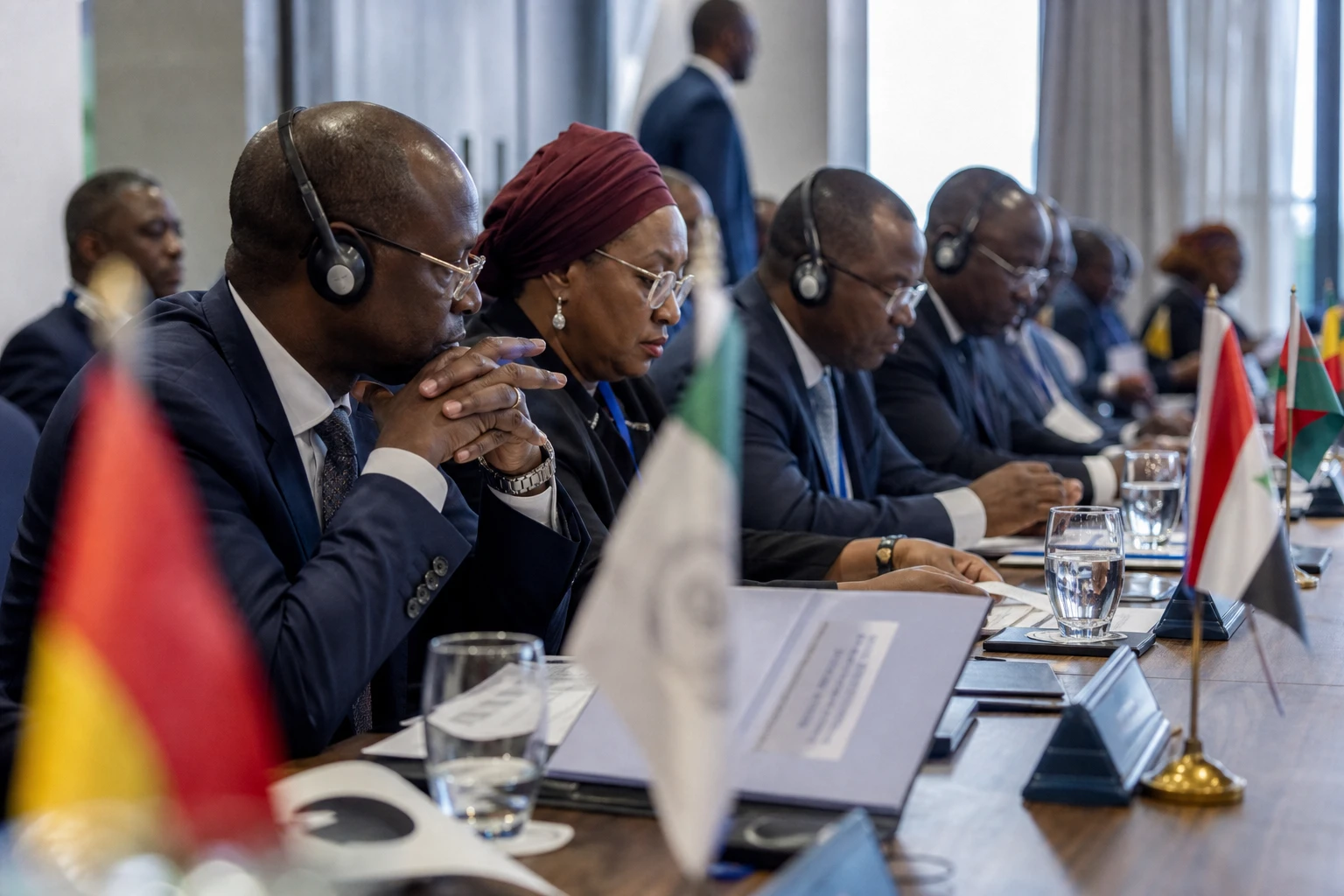
A warehouse, but above all a test for Guinea’s food supply
In Conakry, additional storage capacity says more than just something about logistics. It also points to the fragility of a food market still too exposed to supply disruptions, post-harvest losses and price shocks. In Guinea, where rice remains a sensitive commodity for urban households and rural families alike, every tonne stored counts.
On Tuesday 15 September 2026, Guinean authorities inaugurated several warehouses belonging to the Sawaba group in Hamdallaye, Conakry. The complex has a capacity of 40,000 tonnes, according to reports of the event carried by Guinea’s public news agency and a local private media outlet. The Prime Minister’s Office, for its part, described the facility as representing about 15% of the country’s storage capacity.
Store more, but above all store better
The inauguration addresses a broader need: reducing post-harvest losses. The World Bank says these losses amount to about 10% for rice, 15 to 20% for maize, 20 to 45% for roots and tubers, and 30 to 60% for fruit and vegetables. The same diagnosis is often heard across the continent: without warehouses, cold chains, passable roads and markets with reliable supply routes, some production is lost before it even reaches consumers.
The Sawaba group specialises in importing and distributing food products. Its move into storage is therefore more than a symbolic gesture. It reflects the growing role of the private sector in securing food supplies, alongside the state and transport operators. In a country where urban consumption still depends largely on the smooth movement of goods, warehousing is becoming a strategic link in the chain.
A response to persistent vulnerability
The move comes as Guinea remains exposed to pressure on food supplies. The FAO estimates that nearly 1.6 million people in the country could face acute food insecurity between June and August 2026. Across West Africa and the Sahel, the organisation says 52.8 million people will be affected by acute food insecurity during the same lean season. These projections indicate the scale of the challenge: the issue is not just producing more, but keeping food available and affordable at the right time.
The factors behind this vulnerability are well known. High food prices, flooding and weather-related hazards weigh on supply. In urban neighbourhoods, this translates into immediate pressure on household budgets. In rural areas, it makes it harder to secure value from harvests and increases storage losses where suitable facilities are lacking.
The AgriConnect Compact sets a policy direction
This private-sector initiative also comes at a time when the Guinean state is pursuing a more structured agenda. On 30 April 2026, in Conakry, the government and the World Bank Group launched the Guinea AgriConnect Compact. The programme aims to transform agrifood systems, strengthen food security and create jobs. The World Bank and the International Fund for Agricultural Development have both confirmed their support for this roadmap.
In this framework, priorities include rice and poultry, as well as maize, soya, fonio and mangoes. The idea is straightforward: reduce reliance on imports, better organise local production and give agricultural value chains a greater role. Sawaba’s warehouse will not, on its own, resolve these issues. But it fits into efforts to expand the infrastructure often missing in the middle of the supply chain.
What this means for Guinea and the region
For public authorities, the benefits are clear: cushioning supply shocks, smoothing sales and preventing harvests or imports from being lost before they reach markets. For traders, better storage can reduce volatility. For consumers, especially in the Conakry area, it can help ensure more regular availability of staple foods. For producers, the impact will depend on whether these warehouses can in practice be connected to agricultural production areas and distribution networks in the country’s interior.
But a warehouse is not enough without roads, secure routes, transport financing and clear market rules. This is where the issue extends beyond Guinea. In West Africa, ECOWAS has for years worked on the free movement of goods, resilient supply chains and market integration. Storage is therefore a regional concern: how to move food without losing it, and how to prevent climate or logistical shocks in one country from affecting its neighbours.
In the short term, the key question is whether this 40,000-tonne capacity will quickly be linked to real volumes, stable supply contracts and reliable logistics. In the medium term, coherence between storage, local production and distribution will determine whether Guinea has crossed a merely symbolic threshold or made a genuine advance in food security.