Algeria
 Egypt
 Libya
 Morocco
 Sudan
 Benin
 Burkina Faso
 Cabo Verde
 Côte d'Ivoire
 Ghana
 Guinea
 Guinea-Bissau
 Liberia
 Mali
 Mauritania
 Niger
 Nigeria
 Senegal
 Sierra Leone
 The Gambia
 Togo
 Cameroon
 Central African Republic
 Chad
 DR Congo
 Equatorial Guinea
 Gabon
 Republic of the Congo
 São Tomé and Príncipe
 Burundi
 Comoros
 Djibouti
 Eritrea
 Ethiopia
 Kenya
 Madagascar
 Malawi
 Mauritius
 Mozambique
 Rwanda
 Seychelles
 Somalia
 South Sudan
 Tanzania
 Uganda
 Angola
 Botswana
 Eswatini
 Lesotho
 Namibia
 South Africa
 Zambia
 Zimbabwe
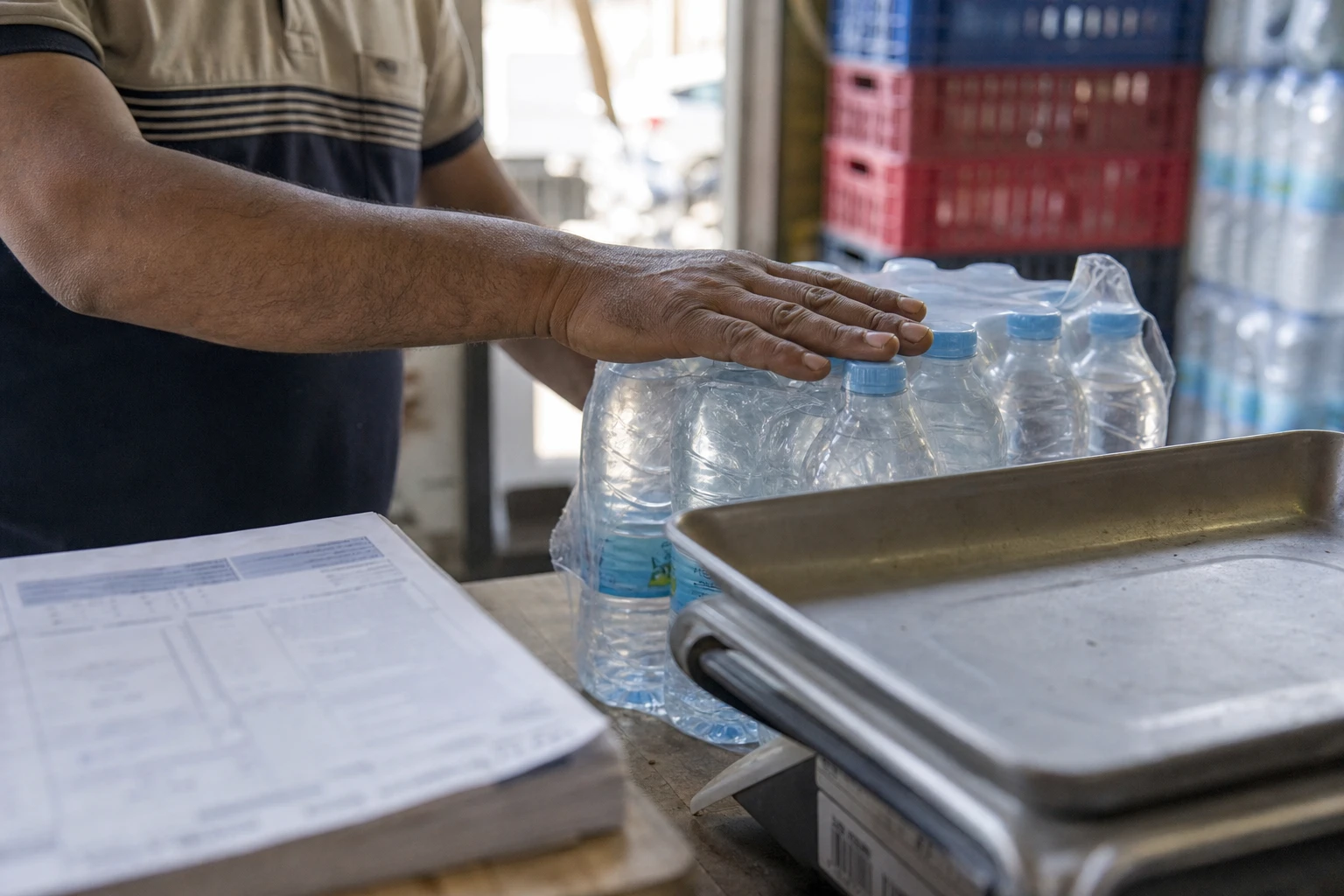
When water runs short, the whole everyday economy is disrupted
In Tunisia, summer 2026 was not just hot. It was a reminder of how water and electricity form a single vital chain. When one falters, the other soon follows, and households, small businesses, workshops and farms bear the brunt.
In several cities, residents reported repeated outages, queues for bottled water and days organised around the availability of electricity. In the capital, Tunis, as well as in outlying neighbourhoods and inland regions, scarcity took a very concrete form: storing, waiting, improvising. This fragility became visible just as the country faced intense heat and mounting pressure on its networks.
The problem is not new. It is part of a broader trajectory of water stress in a Mediterranean country where renewable resources remain limited and drought has weighed on dams, agriculture and urban supplies for several years. Tunisia is not alone in this. But it is feeling the effects particularly acutely, because its networks are ageing faster than investment is being delivered.
A summer under strain, from taps to markets
The most visible phase began in mid-July, when the Tunisian Company of Electricity and Gas published notices of power cuts in different regions almost every day, to limit pressure on the network during the heatwave. On 20 July 2026, then again on 24 July 2026, the company announced further interruptions in the Centre and Greater Tunis. These notices point to crisis management that has become routine, at least during peaks in consumption.
On water, the National Water Distribution and Exploitation Company also issued notices of disruption and cuts in some areas. By late August, the situation was sufficiently strained for the head of state to convene a meeting at Carthage Palace on 27 August 2026, attended by the prime minister, the ministers concerned and the heads of STEG and SONEDE. The official statement described water and electricity cuts as a phenomenon being monitored continuously by the presidency.
A few days later, the debate took a more political turn. In an official statement, the presidency of the government said that the Council of Ministers had already adopted a series of measures on 9 June 2026 to secure drinking water, strengthen infrastructure, modernise networks and expand the use of renewable energy in water production and transport. The same document stressed the gradual reorganisation of rural supplies, with management being transferred to SONEDE. In other words, the summer did not reveal a sudden breakdown; it exposed a system already under strain.
The effects were felt even in the local economy. In coastal areas, restaurants, fishmongers, ice plants and some tourism businesses suffered direct losses when power cuts disrupted the cold chain. In agriculture, the heat hit livestock and drove up production costs. The result is twofold: daily life has become more difficult, while economic activity has been weakened in a country where the informal sector often bears the immediate shocks largely on its own.
Structural causes, not just a heatwave
Tunisia faces a long-term water constraint. The World Bank says the country has been experiencing a multi-year drought since 2015 and that a significant share of water demand could remain unmet unless action is taken over the long term. Its Tunisia Country Climate and Development Report also stresses that the challenge goes beyond distribution alone: it affects the modernisation of services, network efficiency, irrigation and rural resilience.
FAO data are just as telling. Renewable water availability in Tunisia is low relative to needs, and the country is among those facing high water stress. At the same time, Tunisia’s Mediterranean climate remains marked by stark differences between the wetter North and the more arid South. This geography explains why water transfers from northern dams to supply networks in the Centre and South remain a key issue of material sovereignty.
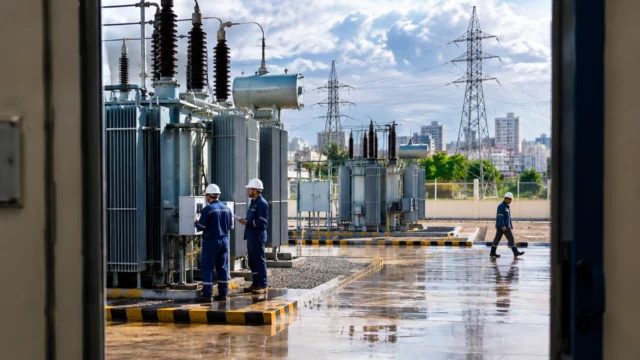
The electricity sector adds another layer of vulnerability. STEG’s 2024 activity report already noted that Tunisia’s system remains exposed to demand shocks and technical constraints. During summer 2026, the company stepped up field operations, a sign of a network that is still holding, but at the cost of a major human and technical effort. This sheds light on the public debate: the issue is not only climate, but also maintenance, equipment renewal and investment capacity.
Institutionally, Tunisia’s response is beginning to take shape. In March 2026, the World Bank approved two projects totalling $332.5 million to improve drinking water, modernise irrigated agriculture and support rural areas. The government, for its part, has put network modernisation, smart meters, leak detection, the use of non-conventional water sources and the integration of renewable energy on its agenda, to reduce hydraulic facilities’ dependence on the conventional grid.
What this summer says about Tunisia and the Maghreb region
The 2026 episode goes beyond managing a heatwave. It is a reminder that Tunisia is entering a phase in which water, energy and agriculture must be considered together. It is also a regional issue. In the Maghreb, the Arab Maghreb Union still exists on paper, but practical cooperation takes place mainly through technical projects, multilateral funding and exchanges on climate resilience. Tunisia, by virtue of its Mediterranean position, lies at the intersection of these dynamics.
For households, the stakes are immediate: available water, stable electricity, the cost of bottled water, food preservation and the continuity of domestic life. For businesses, the questions are storage, lost goods, reliance on generators and the cost of the unexpected. For the state, the challenge is to move beyond managing the crisis through successive announcements and towards a policy of network investment, maintenance and preparation. The credibility of promises for 2026-2030 will be decided there, far more than in statements made for the occasion.
The continental significance is clear. In a North Africa already exposed to drought and rising temperatures, Tunisia is serving as an early-warning laboratory. What is happening there foreshadows a question that other African capitals will also have to address: how to secure essential services without placing further strain on public budgets, agriculture and low-income urban populations? Summer 2026 offered no definitive answer. Above all, it showed the scale of the task ahead.